Stamped Metal Commemorative Medal: A Complete Guide to Quality, Design, and Cost Control
A stamped metal commemorative medal is a popular choice for awards, historical events, corporate celebrations, sports competitions, and special recognition programs. Compared with other medal manufacturing methods, Metal Stamping can create detailed designs, strong structures, and large quantities at a reasonable cost.
However, many customers face common challenges when ordering commemorative medals. They may worry about unclear designs, inconsistent quality, high production costs, or choosing the wrong manufacturing partner. Understanding the stamping process, material options, design requirements, and quality control methods can help you make a better decision.
Why Choose a Stamped Metal Commemorative Medal?
Metal stamping uses pressure to form metal sheets into specific shapes and designs. This manufacturing method is widely used because it provides stable quality and efficient production for customized medals.
The advantages of stamped metal for commemorative medals include:
- High detail accuracy: Stamping molds can reproduce fine patterns, logos, text, and artwork clearly.
- Strong durability: Stamped metal medals have a solid structure and can maintain their appearance for many years.
- Suitable for mass production: Once the tooling is prepared, large quantities can be produced efficiently.
- Flexible customization: Different shapes, finishes, textures, and surface treatments can be applied.
- Professional appearance: Metal stamping creates a premium look suitable for important commemorative occasions.
For organizations that need hundreds or thousands of medals, stamping is often a practical solution because it balances quality and production efficiency.
The Process of Creating Stamped Metal Commemorative Medals
Understanding the process of creating stamped metal commemorative medals helps customers avoid production problems and communicate better with manufacturers.
Design preparation: The medal artwork is converted into a production drawing. Important details such as dimensions, raised areas, engraved patterns, and logo placement must be confirmed.
Mold and tooling production: A stamping die is created based on the design. Accurate tooling is important because it directly affects the final medal quality.
Metal stamping: A metal sheet is placed into the stamping machine, where high pressure forms the medal shape and design details.
Surface finishing: The medal may receive polishing, plating, coloring, sandblasting, or other treatments to improve appearance.
Inspection and packaging: Each batch is checked for size accuracy, surface quality, and design consistency before delivery.
A reliable manufacturer should control every stage, from design review to final inspection, to reduce defects and avoid unnecessary delays.
Important Design Considerations for Stamped Metal Commemorative Medals
The design considerations for stamped metal commemorative medals can directly influence the final quality and manufacturing cost. A good design is not only attractive but also suitable for stamping production.
- Choose suitable thickness: A medal that is too thin may feel weak, while excessive thickness can increase material costs.
- Keep details manufacturable: Extremely small text or complicated patterns may not transfer clearly during stamping.
- Select the right material: Common choices include stainless steel, brass, copper, aluminum, and other metal alloys depending on appearance and budget requirements.
- Consider surface finishing early: Plating colors, polishing effects, and protective coatings should be planned during the design stage.
- Confirm functional requirements: If the medal needs a ribbon hole, special mounting method, or long-term display use, these details should be included in the initial design.
Working with an experienced manufacturer during the design stage can help identify potential problems before production begins.
How to Reduce the Cost of Stamped Metal Commemorative Medals
The cost-effectiveness of stamped metal commemorative medals is one of the main reasons businesses, organizations, and event planners choose this method. However, several factors affect the final price.
- Order quantity: Larger production volumes usually reduce the average cost per medal.
- Material selection: Different metals have different prices and processing requirements.
- Design complexity: More complicated designs may require more advanced tooling and longer production time.
- Finishing options: Special coatings, multiple colors, and complex surface effects can increase costs.
- Manufacturing efficiency: Choosing a supplier with professional equipment and production experience can reduce waste and rework.
Instead of focusing only on the lowest quotation, customers should consider overall value, including product quality, delivery reliability, and technical support.
How EMAR Supports Custom Metal Manufacturing
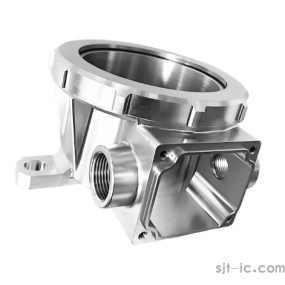
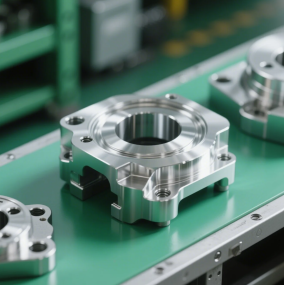
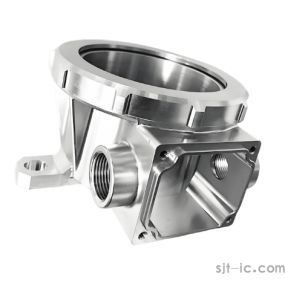
For customers who need high-quality stamped metal commemorative medals, working with a manufacturer that understands precision metal processing is important. EMAR provides professional CNC processing and metal manufacturing services to support customized projects with strict requirements.
With experience in precision machining, tooling support, and metal fabrication, EMAR can help customers improve product designs, control manufacturing accuracy, and achieve consistent production results. The company focuses on practical solutions that meet different project requirements, from prototypes to larger production needs.
Combining CNC processing capabilities with metal stamping knowledge allows manufacturers to handle complex parts, improve production efficiency, and support customers who need reliable customized metal products.
Maintenance of Stamped Metal Commemorative Medals
Proper maintenance of stamped metal commemorative medals helps preserve their appearance and value over time.
- Store medals in a dry environment to reduce oxidation and surface damage.
- Avoid contact with strong chemicals or abrasive materials.
- Use a soft cloth for cleaning instead of rough tools.
- Keep plated surfaces protected from scratches.
- Use protective cases for valuable or historical commemorative medals.
With proper care, a well-made stamped metal commemorative medal can remain attractive for many years and continue to represent the event, achievement, or memory it was created for.
Final Thoughts
A stamped metal commemorative medal is an effective choice for organizations looking for a durable, customizable, and cost-efficient recognition product. Successful medal production depends on careful design, suitable materials, reliable manufacturing processes, and strict quality control.
By understanding the stamping process and working with an experienced metal processing partner such as EMAR, customers can create commemorative medals that deliver excellent appearance, long service life, and reliable value.