Large Batch CNC Parts OEM Processing: A Complete Guide for Industrial Buyers
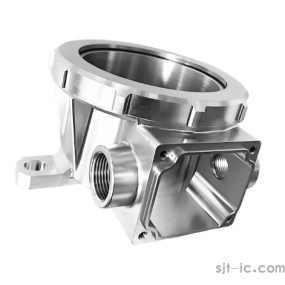
Large batch CNC parts OEM processing is a manufacturing service where a professional CNC Machining company produces a high quantity of precision parts according to a customer's drawings, specifications, and quality requirements. It is widely used in industries such as automotive, electronics, medical equipment, aerospace, industrial machinery, and consumer products.
For companies that need thousands or even millions of CNC parts, working with an experienced OEM supplier can reduce production costs, improve product consistency, and shorten delivery times. Understanding how this process works helps buyers select the right manufacturing partner and avoid common production problems.
What Is Large Batch CNC Parts OEM Processing?
Large batch CNC parts OEM processing means outsourcing the production of CNC machined components to a specialized manufacturer. The OEM supplier is responsible for turning customer designs into finished parts through CNC milling, CNC turning, drilling, grinding, and other machining operations.
Unlike small-batch machining, large batch production focuses on efficiency, repeatability, and stable quality. The manufacturer must have enough equipment, skilled operators, production management systems, and inspection tools to handle continuous high-volume orders.
For example, an automotive company may need 100,000 aluminum housings every month. Instead of building its own machining factory, the company can cooperate with an OEM manufacturer that already has the machines, workers, and quality systems needed for mass production.
Advantages of Large Batch CNC Parts OEM Processing
There are several important advantages of large batch CNC parts OEM processing that make it a popular choice for industrial manufacturers.
1. Lower Production Cost Through Economies of Scale
When production quantities increase, the average cost of each part usually decreases. OEM manufacturers can spread equipment costs, labor costs, and setup costs across a larger number of products.
- Lower machining cost per unit.
- Reduced material waste through optimized production planning.
- Better purchasing prices for raw materials.
- Higher production efficiency through repeated machining processes.
This cost advantage is especially important for companies producing products with stable market demand.
2. More Consistent Product Quality
Large batch CNC production requires standardized manufacturing processes. Once the machining parameters are confirmed, the OEM supplier can produce thousands of parts with similar dimensions and performance.
Consistent production helps companies avoid problems such as different part sizes, assembly difficulties, and unexpected product failures.
3. Faster Delivery for Large Orders
Professional OEM factories usually have multiple CNC machines and production teams. This allows them to manage large orders more efficiently compared with small workshops.
For businesses with strict delivery schedules, choosing a capable OEM supplier can help maintain stable inventory and reduce supply chain risks.
How to Choose an OEM Provider for Large Batch CNC Parts
Choosing an OEM provider for large batch CNC parts requires careful evaluation. A low price alone is not enough. Buyers should consider production ability, quality management, technical experience, and communication ability.
1. Check Production Capacity
A suitable OEM partner should have enough CNC machines, factory space, and workforce to support large-volume production.
Important questions include:
- How many CNC milling and turning machines does the factory operate?
- Can the supplier handle monthly production targets?
- Does the company have backup equipment for urgent orders?
- Can it support long-term production contracts?
For large projects, a supplier with strong production capacity can prevent delays and unexpected interruptions.
2. Review Quality Control Systems
Quality control in large batch CNC parts OEM processing is one of the most important factors. A reliable supplier should have inspection procedures throughout the entire manufacturing process.
A professional CNC OEM factory may use:
- Incoming material inspection to verify raw material quality.
- First article inspection before mass production.
- In-process inspection during machining.
- Final inspection before shipment.
- Measurement equipment such as coordinate measuring machines (CMM).
Quality certifications such as ISO 9001 can also show that the supplier follows structured quality management practices.
3. Consider Industry Experience
Different industries have different requirements. A supplier experienced in automotive parts may understand high-volume production and durability requirements, while a medical parts supplier may have stronger experience with strict precision and traceability requirements.
Before cooperation, buyers should check whether the OEM manufacturer has produced similar parts or worked with similar industries.
Process of Large Batch CNC Parts OEM Processing
The process of large batch CNC parts OEM processing usually includes several important stages, from initial communication to final delivery.
Step 1: Order Discussion and Requirement Confirmation
The customer provides:
- Part drawings or 3D models.
- Required materials.
- Production quantity.
- Surface treatment requirements.
- Quality standards and delivery schedule.
The OEM supplier reviews the information and confirms production feasibility.
Step 2: Design Review and Production Planning
Engineers check the part design to identify possible manufacturing problems. They may suggest improvements that reduce machining difficulty or improve production efficiency.
The factory then creates a production plan, including machine selection, tooling preparation, machining steps, and inspection methods.
Step 3: CNC Mass Production
After approval, production begins. CNC machines automatically follow programmed instructions to manufacture parts with high repeatability.
During large batch production, operators monitor machine performance and perform regular inspections to maintain stable quality.
Step 4: Quality Inspection and Delivery
Finished parts are inspected according to customer requirements. After passing inspection, products are packed and shipped.
Reliable OEM suppliers also keep production records so customers can track quality information and solve future problems more easily.
Materials for Large Batch CNC Parts OEM Processing
The materials for large batch CNC parts OEM processing depend on the application, required strength, environment, and cost target. Common materials include aluminum, steel, stainless steel, and engineering plastics.
Aluminum
Aluminum is one of the most widely used CNC machining materials because it is lightweight, corrosion-resistant, and easy to machine.
Common aluminum grades include:
- 6061 aluminum: Good balance of strength, machinability, and corrosion resistance. It is widely used for machine parts, housings, and structural components.
- 7075 aluminum: Higher strength than 6061 aluminum. It is often used in aerospace and high-performance applications.
Steel
Steel is selected when high strength and durability are required.
- Carbon steel: Affordable and suitable for general industrial parts.
- Alloy steel: Provides higher strength and wear resistance.
- Stainless steel: Offers excellent corrosion resistance for food equipment, medical devices, and chemical applications.
Other Materials
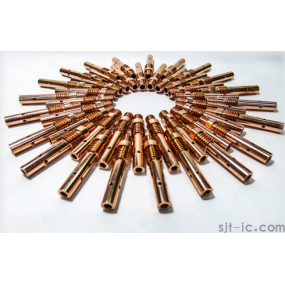
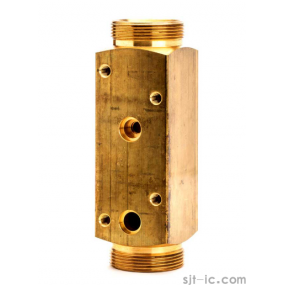
Some large-volume CNC parts are also made from brass, copper, titanium, and engineering plastics. The best material choice depends on product requirements and production budget.
Industries Using Large Batch CNC Parts OEM Processing
Large batch CNC OEM manufacturing supports many industries worldwide.
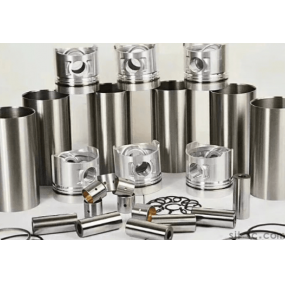
- Automotive: Engine components, transmission parts, brackets, and aluminum housings.
- Consumer electronics: Device frames, precision metal covers, and internal components.
- Medical equipment: Surgical tools, equipment parts, and precision components.
- Aerospace: Lightweight structural parts and high-strength components.
- Industrial machinery: Machine frames, connectors, and mechanical parts.
Why Choose EMAR for Large Batch CNC Parts OEM Processing?
EMAR provides professional large batch CNC parts OEM processing services for customers that require high-volume production, stable quality, and competitive pricing.
With experience in CNC machining and OEM manufacturing, EMAR supports customers from design review to final production. The company focuses on efficient production planning, strict inspection procedures, and reliable delivery for large orders.
EMAR's capabilities include:
- Support for large-volume CNC machining projects.
- Professional engineering support for production optimization.
- Strict quality inspection during every manufacturing stage.
- Processing of common metals such as aluminum and steel.
- Cost-effective solutions for long-term OEM partnerships.
For companies that need thousands of precision parts, working with an experienced supplier like EMAR can provide a balance between quality, production speed, and manufacturing cost.
Practical Tips for Successful Large Batch CNC Production
- Prepare complete drawings and technical requirements before starting production.
- Select materials based on actual product performance needs, not only price.
- Confirm quality inspection standards with the OEM supplier in advance.
- Start with a prototype or trial production before full mass production.
- Choose suppliers with proven experience in similar large-volume projects.
Large batch CNC parts OEM processing is not only about producing more parts. It is about creating a stable manufacturing system that delivers consistent quality, controlled costs, and reliable supply. By choosing the right OEM partner and understanding the production process, companies can achieve better results in long-term product manufacturing.