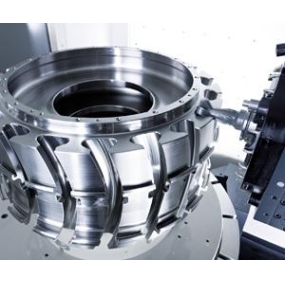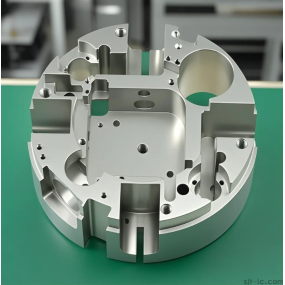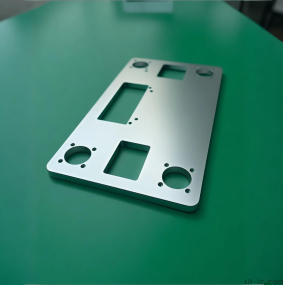
Build a shortlist by the type of stamped part. A thin electrical contact, a large automotive structure and a general equipment bracket ask for different tooling, material and release schedules.
Where to start
- Automotive structures: Gestamp's product pages describe body-in-white products and give a starting point for the process category. Confirm which plant and program can handle the inquiry.
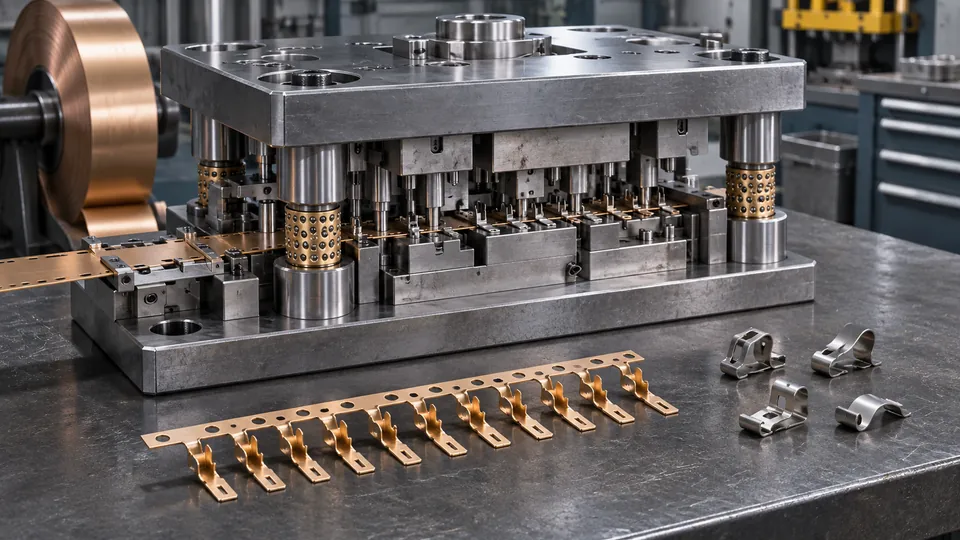
- Small progressive-die parts: Kenmode's published stamping services describe progressive stamping and secondary operations. Check the specific material, feed format and required contact features.
- General brackets and mixed fabrication: Tempco's manufacturing FAQ covers stamping and sheet metal fabrication. Ask which operations belong to the same quote and site.
Use one comparison sheet
Put drawing revision, material and thickness, planned batch, earliest sample date, annual consumption and expected tool life on each RFQ. Ask who owns dies, which operations run at the quoting facility and which are outsourced, and what is included in first-piece approval. Where a customer requires certification, ask for the certificate and production site before award.
Move from shortlist to test order
Ask for one documented trial part before authorizing repeat releases. Confirm the supplier can check both the drawing features and the delivered format, such as parts on strip or loose packed. Review EMAR's stamping inquiry scope.
Turn supplier profiles into a shortlist
Record part family, manufacturing location, stock and tooling scope, date checked, and whether the site confirmed it will quote your quantity. Attach the same drawing and acceptance notes to each inquiry. A company profile can show the general process, while your supplier comparison also needs the specific plant and trial order evidence. For the factory and die checks, use the stamping manufacturer verification guide.