Metal Frame Stamping Processing: A Complete Guide to Better Quality, Lower Costs, and Reliable Production
Metal frames are widely used in electronics, machinery, automotive parts, electrical equipment, and industrial products. Choosing the right manufacturing method is important because the quality of a metal frame directly affects product performance, durability, and assembly accuracy.
Metal frame stamping processing is a popular manufacturing solution for producing large quantities of strong, accurate, and consistent metal components. However, many customers face problems such as unstable quality, high production costs, material waste, and delays caused by poor process planning.
This article explains how metal frame stamping works, what problems to avoid, and how professional manufacturers can help businesses achieve better results.
What Is Metal Frame Stamping Processing?
Metal frame stamping processing is a manufacturing method that uses stamping machines and custom-designed dies to shape metal sheets into specific frame structures. The process applies pressure to cut, bend, punch, or form metal materials into the required design.
Compared with traditional machining methods, stamping is highly efficient for mass production because multiple parts can be produced quickly while maintaining consistent dimensions.
This process is commonly used for:
- Electronic equipment frames and housings
- Automotive support brackets and structural parts
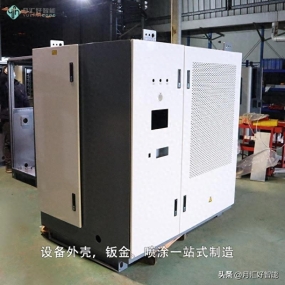
- Electrical control cabinet components
- Industrial machine frames
- Precision metal supports and assemblies
Advantages of Metal Frame Stamping Processing
Many companies choose stamping because it provides several important benefits for both prototypes and high-volume manufacturing.
- High production efficiency: Stamping machines can produce large quantities of parts in a short time, making them suitable for continuous manufacturing.
- Consistent product quality: Once the stamping die is properly designed, every part can maintain similar dimensions and appearance.
- Reduced material waste: Professional die design helps improve material utilization and reduce unnecessary costs.
- Strong structural performance: Stamping can improve the strength and rigidity of metal frames through controlled forming processes.
- Lower unit cost: For medium and large production volumes, stamping usually provides better cost efficiency than individual machining.
Understanding the advantages of metal frame stamping processing helps companies select the right production method based on their product requirements, quantity, and budget.
Steps Involved in Metal Frame Stamping Processing
A reliable stamping process requires careful planning from design to final inspection. The main production steps include:
Product design analysis: Engineers review drawings, dimensions, tolerances, and application requirements to determine the best stamping solution.
Die design and manufacturing: A customized stamping die is created according to the metal frame structure. Accurate die design is essential for stable production.
Material preparation: Metal sheets are selected, cut, and prepared according to production requirements.
Stamping operation: The metal sheet is processed through cutting, punching, bending, or forming operations to create the final frame shape.
Surface treatment and finishing: Additional processes such as deburring, coating, or polishing may be applied to improve appearance and corrosion resistance.
Inspection and packaging: Finished parts are checked before delivery to ensure they meet customer specifications.
Following the correct steps involved in metal frame stamping processing reduces production problems and improves overall reliability.
Materials Suitable for Metal Frame Stamping Processing
Selecting the correct material is one of the most important decisions in stamping production. Different applications require different levels of strength, flexibility, corrosion resistance, and cost control.
Common materials include:
- Stainless steel: Suitable for products requiring corrosion resistance, durability, and a clean appearance.
- Carbon steel: A cost-effective choice for general industrial applications requiring good strength.
- Aluminum: Ideal for lightweight designs where weight reduction is important.
- Copper and brass: Commonly used in electrical components because of their excellent conductivity.
- Galvanized steel: Useful for applications requiring additional protection against rust.
Choosing the right materials suitable for metal frame stamping processing can prevent issues such as cracking, deformation, and early product failure.
Common Problems in Metal Frame Stamping Processing and How to Solve Them
1. Incorrect Dimensions or Poor Accuracy
Some manufacturers experience problems with parts not fitting correctly during assembly. This is often caused by inaccurate drawings, poor die design, or insufficient process control.
The solution is to work with experienced engineers who can review designs, optimize tolerances, and perform precise inspections throughout production.
2. Surface Damage and Deformation
Scratches, dents, and deformation can affect both appearance and product performance. Proper material handling, suitable stamping pressure, and professional tooling are necessary to avoid these problems.
3. High Production Costs
Although stamping is cost-effective, poor planning can increase expenses through material waste, repeated adjustments, or production delays.
Optimizing the die structure, selecting suitable materials, and improving production efficiency are key ways to control costs.
Quality Control in Metal Frame Stamping Processing
Quality control is essential because metal frames often become important structural components in finished products. A professional manufacturer should have strict inspection procedures at every stage.
Important quality control methods include:
- Checking raw material quality before production
- Testing stamping dimensions and tolerances
- Inspecting surface quality after forming
- Monitoring production consistency during large orders
- Performing final product inspections before shipment
Effective quality control in metal frame stamping processing helps reduce defective products, improve customer satisfaction, and ensure stable long-term cooperation.
How Professional Processing Partners Improve Metal Frame Production
Choosing an experienced manufacturing partner can make a significant difference in product quality and delivery performance. A reliable supplier should provide engineering support, advanced equipment, strict inspection systems, and flexible production capabilities.
EMAR provides professional CNC processing and precision manufacturing services to support customers with complex metal component requirements. With experience in CNC Machining, sheet metal processing, and customized metal fabrication, EMAR helps customers improve design accuracy, shorten development cycles, and achieve stable production results.
For projects that combine stamping with precision machining requirements, working with a company that understands both processes can reduce communication problems and improve overall efficiency.
Cost-Effectiveness of Metal Frame Stamping Processing
The cost-effectiveness of metal frame stamping processing depends on several factors, including production quantity, material selection, tooling investment, and design complexity.
To achieve better cost performance, companies should:
- Design parts with efficient material usage
- Select suitable metals based on application needs
- Reduce unnecessary processing steps
- Choose manufacturers with strong engineering capabilities
- Plan production volume before creating stamping tools
A well-planned stamping solution can significantly reduce long-term manufacturing costs while maintaining product quality.
Conclusion: Choosing the Right Solution for Metal Frame Production
Metal frame stamping processing is an efficient and reliable method for producing durable metal components at competitive costs. However, successful results depend on correct material selection, professional die design, accurate processing, and strict quality management.
By working with an experienced manufacturing partner like EMAR, businesses can overcome common production challenges and achieve better product consistency, faster delivery, and improved cost control.