Metal Stamping Concealed Armrest: Process, Materials, Quality Control, and Practical Applications
A concealed armrest is a small but important component in many products, including furniture, vehicles, medical equipment, and industrial systems. It needs to be strong, smooth, compact, and reliable while maintaining a clean appearance. Metal stamping concealed armrest manufacturing is a common solution because it can produce high-strength metal parts with stable dimensions and efficient production costs.
For companies looking for durable concealed armrest components, the main challenges are usually material selection, production accuracy, surface quality, and consistency in large-volume manufacturing. Understanding the complete manufacturing process helps buyers choose the right supplier and avoid problems such as deformation, poor fitting, rust, or short service life.
Why Choose Metal Stamping for Concealed Armrests?
The advantages of metal stamping for concealed armrests make this process widely used in modern manufacturing. Metal stamping uses specially designed dies to shape metal sheets into specific forms through pressing equipment. This method is suitable for producing parts that require high strength and repeated accuracy.
- High production efficiency: Stamping machines can produce many parts quickly, making them suitable for mass production.
- Stable product dimensions: Precision dies help maintain consistent sizes and improve assembly accuracy.
- Strong mechanical performance: Metal stamping creates components with good strength and durability.
- Cost advantages for large quantities: Once the tooling is completed, the production cost per piece can be reduced.
- Flexible design options: Different shapes, holes, bends, and mounting structures can be created according to product requirements.
For concealed armrests, these benefits are especially important because the part often needs to support repeated movement, pressure, and long-term use without visible damage.
Materials for Metal Stamping Concealed Armrests
The selection of materials directly affects the performance and lifespan of a concealed armrest. The common materials for metal stamping concealed armrests include stainless steel, carbon steel, aluminum, and galvanized steel.
- Stainless steel: Provides excellent corrosion resistance and is suitable for products used in humid environments or applications requiring a clean appearance.
- Carbon steel: Offers high strength and is often chosen for structural parts that require durability and cost control.
- Aluminum: Provides lightweight performance and good corrosion resistance for applications where reducing weight is important.
- Galvanized steel: Adds protective coating performance and helps improve rust resistance.
A professional manufacturer will consider factors such as load requirements, working environment, surface treatment needs, and production volume before recommending the best material.
Production Process of Metal Stamping Concealed Armrests
The production process of metal stamping concealed armrests usually includes several important steps. Each stage affects the final quality and performance of the component.
Product design and engineering review: Engineers analyze drawings, dimensions, tolerances, and functional requirements. A proper design helps avoid issues during stamping and assembly.
Material preparation: Metal sheets are selected according to strength, thickness, and surface requirements. The material is then cut into suitable sizes for stamping.
Die design and manufacturing: Precision stamping dies are created based on the armrest structure. High-quality tooling improves production stability and reduces defects.
Stamping operation: The metal sheet is formed through processes such as punching, bending, drawing, or shaping to create the concealed armrest structure.
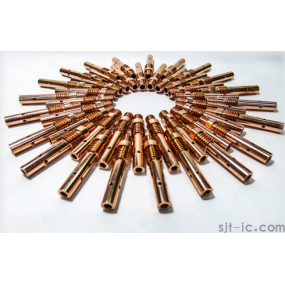
Secondary processing: Additional operations such as drilling, welding, CNC Machining, deburring, and surface finishing may be performed when required.
Inspection and packaging: Finished parts are checked for dimensions, appearance, strength, and assembly performance before delivery.
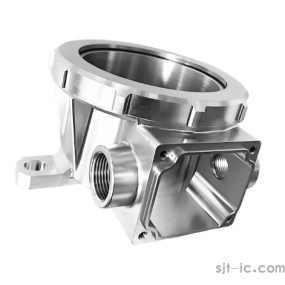
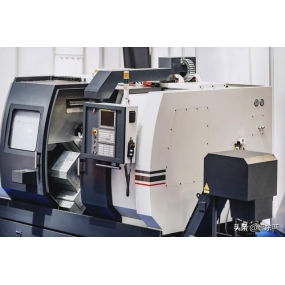
For complex concealed armrest designs that require additional precision machining, manufacturers with CNC processing capabilities can provide better integration between stamping and machining processes. EMAR supports customized metal component manufacturing with CNC processing services, helping customers handle projects that require accurate dimensions, special structures, and reliable production consistency.
Application Scenarios of Metal Stamping Concealed Armrests
The application scenarios of metal stamping concealed armrests continue to expand because these components provide a balance between strength, compact design, and manufacturing efficiency.
- Automotive interiors: Used in adjustable armrests, seat systems, and hidden support structures.
- Office and home furniture: Applied in chairs, sofas, and adjustable furniture mechanisms.
- Medical equipment: Used where reliable movement and long service life are required.
- Transportation systems: Suitable for seats and support structures in public transportation equipment.
- Industrial equipment: Used in mechanical structures that require compact metal support components.
Quality Control in Metal Stamping of Concealed Armrests
Reliable quality is one of the most important concerns when purchasing stamped metal components. Quality control in metal stamping of concealed armrests helps ensure that every part meets design requirements and performs safely during use.
A professional manufacturer should focus on the following quality control points:
- Material inspection: Verify material type, thickness, and mechanical properties before production.
- Tooling accuracy checks: Ensure stamping dies maintain stable performance during production.
- Dimensional inspection: Use measuring equipment to confirm critical sizes and tolerances.
- Surface inspection: Check for scratches, cracks, burrs, or coating problems.
- Functional testing: Confirm that the armrest can be installed correctly and operate smoothly.
Working with a manufacturer that combines stamping expertise with CNC machining, inspection systems, and engineering support can reduce production risks and improve product reliability.
How to Select a Reliable Metal Stamping Concealed Armrest Supplier
Choosing the right supplier is not only about price. A reliable partner should understand product design, manufacturing challenges, and quality requirements.
- Check whether the supplier has experience with similar metal stamping projects.
- Confirm their ability to provide customized designs and production solutions.
- Review their quality management methods and inspection equipment.
- Consider whether they can support additional processes such as CNC machining, surface treatment, and assembly.
- Evaluate communication ability and production delivery reliability.
Manufacturers with integrated capabilities can help customers reduce coordination costs and improve project efficiency. EMAR provides customized CNC processing and metal manufacturing support, offering engineering assistance from prototype development to mass production for customers with demanding metal component requirements.
Conclusion
Metal stamping concealed armrest production provides an effective way to create strong, accurate, and cost-efficient metal components for many industries. By selecting suitable materials, controlling every production step, and applying strict inspection methods, manufacturers can achieve reliable quality and long service life.
For businesses developing new products or upgrading existing designs, working with an experienced supplier that understands stamping, CNC processing, and precision manufacturing can help solve common challenges and create better-performing concealed armrest solutions.