Price of Metal Bracket Stamping Parts: Factors, Cost Range, and How to Choose the Right Supplier
When purchasing metal bracket stamping parts, many buyers focus on one key question: what is the reasonable price of metal bracket stamping parts? The answer is not always simple because the cost depends on many factors, including material selection, part design, production volume, stamping process, surface treatment, and supplier capabilities.
A low price does not always mean a good deal. Poor quality parts may lead to assembly problems, product delays, and higher costs in the long term. On the other hand, choosing a reliable manufacturer can help you get stable quality and a competitive price. This article explains the main cost factors, typical price ranges, and practical ways to find the best solution for your project.
What Determines the Price of Metal Bracket Stamping Parts?
The factors affecting the price of metal bracket stamping parts are different for every project. Understanding these factors can help buyers make better decisions and avoid unexpected costs.
1. Material Type and Thickness
The material is one of the biggest cost factors. Common materials for metal bracket stamping parts include stainless steel, carbon steel, aluminum, and galvanized steel. Each material has different raw material prices, strength levels, and processing requirements.
- Carbon steel: Usually provides a lower cost solution and is widely used for general industrial brackets.
- Stainless steel: Offers better corrosion resistance but usually increases material and processing costs.
- Aluminum: Provides lightweight performance but may require special stamping processes.
The thickness of the metal sheet also affects the price. Thicker materials often require stronger stamping equipment and more energy during production.
2. Part Design and Manufacturing Complexity
Simple brackets with basic shapes are usually cheaper to manufacture. Complex designs with multiple bends, holes, tight tolerances, or special structures require more advanced tooling and production steps.
Before production begins, engineers may need to review the design and optimize the structure. A professional manufacturer can suggest design improvements that reduce production difficulty while maintaining product performance.
3. Tooling and Mold Costs
Stamping production usually requires customized dies or molds. For small orders, tooling costs can have a significant impact on the final unit price. For large-volume production, the tooling cost is spread across more parts, making the price per piece lower.
For customers with long-term production needs, investing in a suitable stamping mold can greatly reduce future manufacturing costs.
4. Order Quantity and Production Volume
The quantity ordered directly affects the unit price. Large production runs usually have lower prices because manufacturers can improve machine efficiency and reduce setup costs.
However, small-batch buyers should not only focus on unit price. Choosing a supplier that supports flexible production can help reduce inventory pressure and avoid unnecessary investment.
5. Additional Processing and Surface Treatment
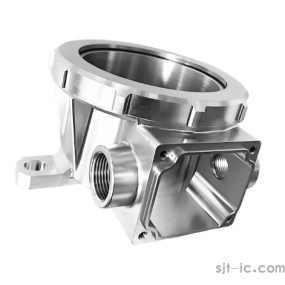
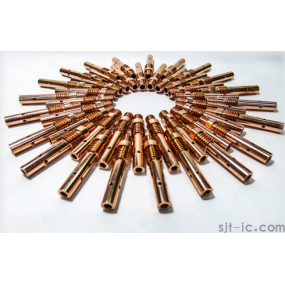
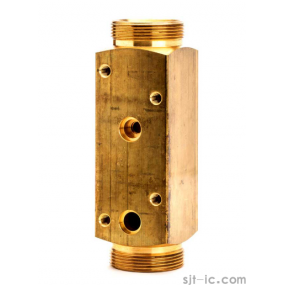
Many metal bracket stamping parts require additional processes after stamping, such as CNC Machining, welding, deburring, polishing, powder coating, plating, or assembly.
Companies that provide multiple manufacturing services can simplify the supply chain. For example, EMAR provides CNC processing services along with metal part manufacturing capabilities, helping customers complete complex metal component projects with better production coordination and quality control.
Price Range of Different Types of Metal Bracket Stamping Parts
The price range of different types of metal bracket stamping parts varies depending on specifications and production requirements. The following examples are for general reference:
- Simple small metal brackets: Usually have a lower unit price because they require simple stamping operations and less material.
- Medium-size industrial brackets: Often cost more because they may require stronger materials, multiple forming steps, and higher precision.
- Heavy-duty or customized brackets: Usually have higher costs due to complex designs, special materials, and additional machining processes.
Because every project has different requirements, suppliers normally provide quotations after reviewing drawings, material specifications, tolerances, and order quantities.
How to Compare Prices from Different Metal Bracket Stamping Suppliers
A simple price comparison may not show the real value of a supplier. The price comparison of metal bracket stamping parts from various suppliers should include several important points:
- Product quality: Check whether the supplier has reliable inspection processes and quality management systems.
- Manufacturing ability: Confirm whether the supplier has suitable stamping machines, CNC equipment, and technical experience.
- Delivery capability: A low quotation is not useful if production delays affect your business.
- Communication and engineering support: Good suppliers help solve design and production problems before manufacturing.
- Total project cost: Consider tooling, transportation, rework risks, and after-sales support.
A supplier with a slightly higher initial quotation may provide better long-term value through stable quality, fewer defects, and reliable delivery.
How to Get a Reasonable Price for Metal Bracket Stamping Parts
Many buyers want to know how to get a reasonable price for metal bracket stamping parts without sacrificing quality. The following methods can help:
- Provide complete drawings and specifications: Accurate information allows suppliers to create a more precise quotation.
- Choose suitable materials: Engineers can recommend alternative materials that meet performance requirements while reducing costs.
- Optimize product design: A simpler design can reduce tooling and production expenses.
- Plan orders carefully: Combining demand into larger production batches can reduce unit costs.
- Work with an experienced manufacturer: Professional suppliers can improve production efficiency and prevent costly mistakes.
Why Choosing the Right Manufacturer Matters
The best supplier is not always the one offering the lowest quotation. A reliable metal processing partner should provide consistent quality, technical support, and stable production capacity.
EMAR focuses on precision metal manufacturing solutions, including CNC processing and customized metal component production. With experience in machining, fabrication, and quality control, EMAR helps customers balance product performance, production efficiency, and manufacturing costs.
For companies looking for cost-effective metal bracket stamping parts, working with a manufacturer that understands both stamping and precision machining can reduce communication costs and improve the overall project experience.
Conclusion
The price of metal bracket stamping parts depends on many factors, including materials, design complexity, order quantity, tooling requirements, and additional processing needs. Instead of choosing a supplier based only on the lowest price, buyers should evaluate quality, service, production ability, and long-term value.
By understanding the main cost factors and working with an experienced manufacturer, businesses can achieve cost-effective metal bracket stamping parts with reliable performance and competitive pricing.