Stamping of Metal Structural Components: A Practical Guide to Quality, Cost, and Manufacturing Choices
The stamping of metal structural components is an important manufacturing process used in industries such as automotive, electronics, machinery, construction equipment, and industrial products. By using stamping dies and high-pressure forming methods, manufacturers can produce strong metal parts with stable dimensions and high production efficiency.
However, many companies face challenges when sourcing stamped structural components. Common problems include unstable quality, high tooling costs, material waste, delayed delivery, and difficulty finding a reliable manufacturing partner. Understanding the process, quality requirements, and supplier selection methods can help businesses reduce risks and achieve better results.
What Is the Stamping of Metal Structural Components?
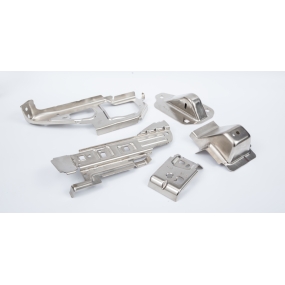
The stamping of metal structural components is a metal forming process that uses presses and custom-made dies to cut, bend, punch, or shape metal sheets into specific structural parts. Materials commonly used include steel, stainless steel, aluminum, and other metal alloys.
Unlike simple sheet metal cutting, structural component stamping requires careful control of material strength, part design, tooling accuracy, and production processes. These parts often need to support loads, maintain precise assembly positions, and work reliably in demanding environments.
Common Challenges in Metal Structural Component Stamping
Choosing the right stamping solution is not only about production speed. Companies often experience problems that affect product performance and overall manufacturing costs.
- Inconsistent part quality: Poor die design or weak process control can cause deformation, uneven surfaces, incorrect dimensions, and assembly problems.
- High initial tooling investment: Stamping dies require upfront costs, especially for complex components with strict tolerance requirements.
- Material selection difficulties: Choosing the wrong metal thickness or material grade may reduce strength or increase production waste.
- Supplier communication issues: Lack of technical support during design and production can lead to delays and repeated modifications.
- Small-batch production challenges: Traditional stamping may not always be economical for prototypes or low-volume orders.
Advantages of Stamping for Metal Structural Components
The advantages of stamping for metal structural components make this process widely used in mass production. When properly designed and managed, stamping provides excellent performance and economic benefits.
- High production efficiency: Stamping machines can produce large quantities of parts quickly, helping manufacturers meet high-volume demand.
- Consistent product quality: Automated stamping processes can maintain stable dimensions and repeatability.
- Strong structural performance: Proper stamping methods can improve part strength while maintaining lightweight designs.
- Reduced manufacturing costs: For large production runs, stamping lowers labor costs and improves material utilization.
- Flexible design options: Modern stamping technology can create complex shapes with fewer secondary operations.
Key Factors in Stamping Metal Structural Components
The key factors in stamping metal structural components determine whether the final products meet performance and cost expectations. Companies should evaluate these points before starting production.
1. Material Selection
The selected material affects strength, corrosion resistance, weight, and manufacturing difficulty. For example, aluminum is suitable for lightweight applications, while high-strength steel is often used where durability is critical.
2. Component Design
A good design can reduce production difficulties and improve stamping efficiency. Engineers should consider material flow, bending angles, part thickness, and tolerance requirements during the design stage.
3. Die Quality and Maintenance
The stamping die directly influences product accuracy and production stability. High-quality tooling reduces defects and extends service life, especially in long-term production projects.
4. Production Equipment
Modern stamping equipment with accurate control systems helps manufacturers achieve better repeatability and lower defect rates. Advanced manufacturing partners often combine stamping with CNC Machining and other processes to handle complex requirements.
Quality Control in Stamping Metal Structural Components
Quality control in stamping metal structural components is essential because these parts often affect the safety and reliability of finished products. A professional manufacturer should have strict inspection procedures throughout production.
- Incoming material inspection to confirm metal grade and thickness.
- First-piece inspection to verify tooling accuracy before mass production.
- Dimensional testing using professional measuring equipment.
- Surface inspection to identify scratches, cracks, or deformation.
- Final inspection before shipment to ensure customer specifications are met.
Reliable suppliers also provide technical support during product development. They can help optimize designs, select suitable materials, and recommend better manufacturing methods to prevent problems before production begins.
Cost-Effectiveness in Stamping Metal Structural Components
Many buyers focus only on the unit price, but true cost-effectiveness in stamping metal structural components depends on the complete manufacturing process.
A lower initial quotation may result in higher costs if it causes quality problems, delays, or frequent repairs. A professional supplier helps reduce total costs through better tooling design, efficient production planning, and stable quality management.
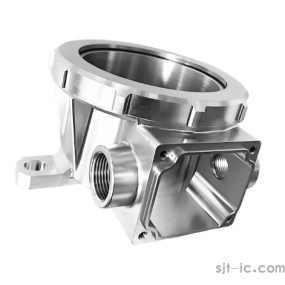
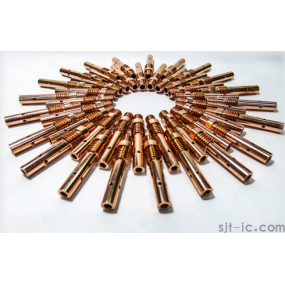
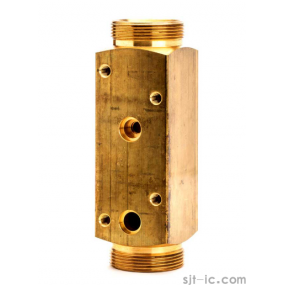
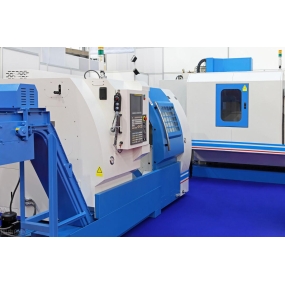
For companies that need complex metal parts, combining stamping with CNC machining can be an effective solution. CNC processing can provide precise secondary machining, improve part accuracy, and support customized designs that require more than traditional stamping alone.
EMAR provides CNC processing services with experience in precision metal manufacturing. The company supports customers with professional machining solutions, helping improve production efficiency and meet different structural component requirements.
New Trends in Stamping Metal Structural Components
The new trends in stamping metal structural components are changing how manufacturers design and produce metal parts. Companies are adopting new technologies to improve quality, flexibility, and sustainability.
- Lightweight manufacturing: More industries are using aluminum and high-strength materials to reduce product weight while maintaining strength.
- Digital manufacturing: Computer-aided design, simulation, and automated production monitoring improve accuracy and reduce development time.
- Integrated processing: Combining stamping, CNC machining, laser cutting, and other methods creates more complete manufacturing solutions.
- Smart quality management: Data monitoring and automated inspection systems help detect problems earlier.
How to Choose a Reliable Metal Structural Component Manufacturer
Selecting the right supplier is one of the most important decisions for successful stamping projects. Before cooperation, companies should review the manufacturer's technical ability, production equipment, quality systems, and industry experience.
- Check whether the supplier understands your application requirements.
- Review their experience with similar stamped structural components.
- Confirm their quality inspection methods and production standards.
- Evaluate their ability to support design improvement and engineering communication.
- Consider whether they can provide additional services such as CNC machining and finishing.
Conclusion
The stamping of metal structural components offers an efficient and reliable way to manufacture strong metal parts for many industries. However, achieving good results requires careful attention to material selection, tooling design, production control, and supplier capabilities.
By understanding the advantages of stamping for metal structural components, focusing on quality control in stamping metal structural components, and choosing a manufacturer with complete processing capabilities, companies can improve product quality while controlling costs. With the development of advanced manufacturing technologies, stamping combined with precision CNC processing will continue to provide more flexible and efficient solutions for modern industries.