How important is it to plan the stamping process for a stamping plant?
How important is it to plan the stamping process for a stamping plant? This is a common question for manufacturers that want to improve product quality, reduce production costs, and increase competitiveness. In a stamping plant, process planning is not just a preparation step. It is a complete roadmap that guides the production process from product design and die development to final stamped parts.
A good stamping process plan helps manufacturers decide the best materials, equipment settings, production steps, and quality control methods. Without proper planning, even advanced stamping machines may produce unstable results, causing defects, delays, and unnecessary expenses.
For modern stamping plants, effective planning is the foundation for stable production. Companies such as EMAR focus on professional stamping process planning to help manufacturers create efficient, reliable, and cost-controlled production systems.
The Importance of Stamping Process Planning in Manufacturing
Stamping is widely used in industries such as automotive, electronics, appliances, and hardware manufacturing. Although the stamping process may look simple, it involves many factors, including material selection, die design, machine settings, production sequence, and inspection methods.
A detailed process plan answers important questions:
- Which stamping method is most suitable for the product?
- What type of die and equipment should be used?
- How can defects be prevented before mass production?
- How can materials, labor, and energy be used efficiently?
- How can workers operate safely during production?
By solving these problems in advance, stamping plants can avoid many production issues and achieve more stable results.
Impact of Stamping Process Planning on Product Quality
Precision and Consistency
One of the biggest benefits of process planning is improving the precision and consistency of stamped parts. A well-designed stamping process defines accurate die structures, machine parameters, material handling methods, and inspection standards.
For example, in automotive manufacturing, body panels must have precise dimensions and smooth surfaces because different parts need to fit together during assembly. Through careful planning of die design and stamping parameters, each panel can maintain the same shape and size.
Without proper process planning, small differences in material positioning, pressure settings, or die conditions may cause uneven parts. These problems can create assembly difficulties and increase repair work.
Therefore, the impact of stamping process planning on product quality is significant. Stable processes help stamping plants deliver reliable products and build customer trust.
Defect Prevention Before Production
Another important role of stamping process planning is preventing defects before they happen. During planning, engineers analyze possible problems such as material cracking, wrinkles, deformation, and surface damage.
For example, when producing metal cans, poor stamping conditions may create dents or weak areas that lead to leakage. By studying material flow and adjusting the stamping process in advance, manufacturers can reduce these risks.
Early defect prevention saves time and money because it reduces rejected parts, repeated production, and customer complaints.
Production Efficiency and Stamping Process Planning
Better Use of Materials, Equipment, and Labor
Efficient production depends on using resources correctly. Good stamping process planning helps plants make better decisions about material layout, machine operation, and worker tasks.
For example, when cutting sheet metal, engineers can plan the part layout carefully to reduce unused material. In large-volume production, even a small reduction in scrap can create major savings.
Process planning also helps stamping presses operate more efficiently. By arranging production steps properly, machines can avoid unnecessary waiting time and maintain a smoother workflow.
This relationship between production efficiency and stamping process planning allows manufacturers to produce more parts in less time while maintaining quality.
Reducing Production Time
A clear stamping process plan can shorten the production cycle. Instead of changing operations randomly, workers follow an optimized sequence.
For example, a metal component may require several stamping operations. By arranging rough forming, shaping, and finishing steps in the correct order, manufacturers can reduce unnecessary handling and improve production speed.
Faster production helps stamping plants meet customer delivery schedules and increase their market competitiveness.
Cost-Effectiveness in Stamping with Proper Planning
Reducing Material Costs
Material is one of the largest costs in stamping production. Proper planning helps manufacturers use materials more effectively and reduce waste.
For example, when producing large sheet metal parts, engineers can optimize the cutting layout to reduce leftover scraps. Over thousands of production cycles, these small improvements can create significant cost savings.
This is why cost-effectiveness in stamping with proper planning is an important goal for every stamping plant. Better planning means lower material expenses and improved profitability.
Optimizing Equipment and Labor Costs
Stamping process planning also improves equipment and labor efficiency. A well-planned process reduces unnecessary machine adjustments and helps prevent equipment problems caused by incorrect operation.
In addition, workers can receive clearer operating instructions and training based on the production plan. When employees understand the correct workflow, productivity improves and labor costs per part decrease.
For manufacturers operating in competitive markets, controlling equipment and labor costs is essential for long-term growth.
Safety in Stamping Through Process Planning
Identifying and Reducing Safety Risks
Stamping machines involve high pressure and fast movement, so safety planning is extremely important. During process planning, engineers can identify possible hazards and create solutions before production begins.
For example, a stamping plant can plan the installation of safety guards, emergency stop systems, and automatic material feeding equipment. These measures reduce the chance of workers being injured by moving machine parts or heavy materials.
The planning stage can also consider ventilation requirements when using lubricants or coolants, creating a healthier workplace environment.
This demonstrates the importance of safety in stamping through process planning. A safer production system protects employees and improves overall factory reliability.
Meeting Safety Standards
A complete process plan includes safety procedures, equipment inspection schedules, and worker training requirements. Following these procedures helps stamping plants meet industry safety standards.
Compliance with safety requirements reduces legal risks and shows customers that the manufacturer operates responsibly.
Stamping Process Planning for Waste Reduction
Reducing Scrap and Rework
Waste reduction is another major benefit of careful process planning. When engineers design a stable stamping process, fewer parts fail during production.
For example, in electronics stamping, small dimensional errors can make metal components unusable. A well-planned process controls these errors early and reduces the number of parts requiring rework.
The result is lower production waste, lower costs, and better environmental performance.
Improving Energy and Resource Efficiency
Modern manufacturers also focus on sustainable production. Process planning can help reduce energy consumption by selecting efficient production methods and optimizing machine operation.
In addition, better management of resources such as lubricants, cooling materials, and recyclable metals helps stamping plants reduce their environmental impact.
Therefore, stamping process planning for waste reduction supports both economic benefits and sustainable manufacturing goals.
How EMAR Supports Professional Stamping Process Planning
Advanced Planning Tools and Simulation Technology
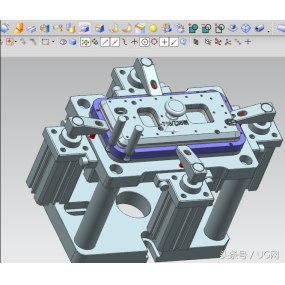
Professional stamping process planning requires both experience and advanced technology. EMAR uses modern engineering tools, including computer-aided design (CAD) and simulation methods, to analyze and improve stamping processes.
Through simulation, engineers can study material flow, stress conditions, and possible defects before actual production begins. This allows adjustments to be made early, reducing risks during mass production.
For stamping plants, this approach means more accurate process plans, better product quality, and improved production efficiency.
Experienced Stamping Process Planning Team
Every stamping project has different requirements. Material type, product structure, production volume, and cost targets all affect the best manufacturing method.
EMAR's experienced team understands these factors and develops customized stamping process plans based on each customer's needs. Their knowledge of stamping technology, materials, and equipment helps manufacturers solve production challenges effectively.
With professional planning support, stamping plants can achieve more stable production, reduce unnecessary costs, and improve their overall manufacturing performance.
Conclusion: Stamping Process Planning Is the Foundation of Successful Production
So, How important is it to plan the stamping process for a stamping plant? The answer is clear: it is essential. Proper planning affects every important area of stamping production, including product quality, efficiency, cost control, safety, and waste reduction.
A stamping plant that invests in careful process planning can prevent problems before production starts and create a more reliable manufacturing system. With professional support from companies like EMAR, manufacturers can develop optimized stamping processes that improve both current operations and future competitiveness.