Quality CNC Machining: How to Achieve High Precision, Consistency, and Cost-Effective Results
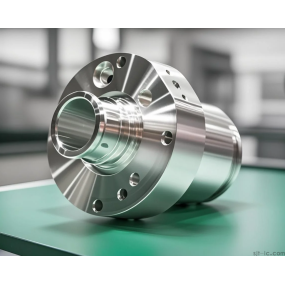
In modern manufacturing, Quality CNC Machining is essential for producing reliable parts with accurate dimensions, excellent surface finishes, and long service life. Many industries depend on CNC machining because even a small error can affect product performance, safety, and production costs.
However, customers often face challenges when choosing CNC machining services. They may worry about whether parts can meet strict tolerances, whether quality will remain consistent during mass production, or whether high-quality results will increase costs. A professional CNC machining process solves these problems through the right equipment, experienced technicians, suitable materials, optimized machining parameters, and strict quality control.
What Defines Quality in CNC Machining?
Quality in CNC machining is not only about making a part that looks good. It involves several important factors that determine whether a machined component can perform correctly in real applications.
- Dimensional accuracy: CNC machines must produce parts according to the exact measurements on engineering drawings. Tight tolerances are especially important for aerospace, medical, electronics, and precision equipment industries.
- Surface finish: A smooth surface reduces friction, improves appearance, and helps parts fit together properly. Different applications may require different levels of surface roughness.
- Material integrity: The machining process must protect the original properties of the material, including strength, hardness, corrosion resistance, and durability.
- Consistency: High-quality CNC machining should provide the same results from the first part to the last part, especially in large production runs.
Professional manufacturers focus on balancing precision, reliability, and cost efficiency. Quality does not mean simply using expensive equipment; it means controlling every step of the machining process.
Choosing the Right Equipment for Quality CNC Machining
Proper machine selection for quality CNC machining plays a major role in achieving accurate and stable results. Different CNC machines are designed for different manufacturing needs.
CNC Milling Machines
CNC milling machines use rotating cutting tools to remove material from a workpiece. They are suitable for complex shapes, holes, slots, pockets, and multi-sided parts. Milling is widely used when high precision and complicated geometries are required.
CNC Turning Machines
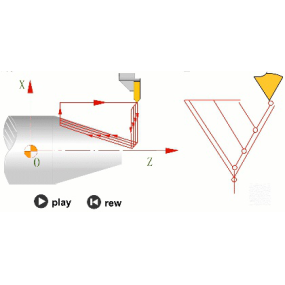
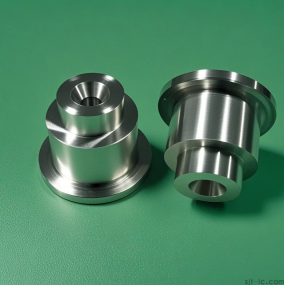
CNC turning is ideal for producing round or cylindrical parts. These machines rotate the workpiece while cutting tools remove material. They are commonly used for shafts, bushings, connectors, and other rotational components.
EDM Machines
Electrical Discharge Machining (EDM) uses electrical sparks to remove material. It is especially useful for extremely hard materials, fine details, narrow slots, and complex shapes that are difficult to produce with traditional cutting tools.
Using the correct machine for each application improves accuracy, reduces production problems, and helps control manufacturing costs.
The Importance of Machine Maintenance and Stability
Even the most advanced CNC machine cannot produce high-quality parts without proper maintenance. Regular inspection and maintenance help prevent unexpected errors caused by machine wear or mechanical problems.
- Checking machine alignment to maintain machining accuracy.
- Replacing worn components before they affect production quality.
- Maintaining lubrication systems to reduce friction and heat.
- Calibrating machines regularly to ensure measurement accuracy.
A well-maintained CNC machine provides stable performance, longer equipment life, and fewer production interruptions.
Skilled Operators and Programmers Improve Machining Quality
Advanced CNC equipment requires experienced professionals to achieve the best results. Operator skills in quality CNC work directly influence production accuracy, efficiency, and problem-solving ability.
Skilled CNC operators and programmers understand how to select cutting tools, adjust machining settings, optimize tool paths, and identify possible problems before they affect final products.
Professional programmers also create efficient CNC programs that reduce unnecessary movements, improve machining speed, and protect tools from excessive wear. A combination of modern technology and human expertise is necessary for reliable CNC production.
Material Selection and Its Impact on CNC Machining Quality
The choice of raw material has a direct effect on machining performance and final product quality. The material impact on CNC machining quality should always be considered before production begins.
Important material factors include:
- Material grade: Different grades of aluminum, stainless steel, titanium, plastics, and other materials have different mechanical properties.
- Hardness: Hard materials may require special tools and slower machining speeds to maintain accuracy.
- Compatibility with machining operations: Some materials are easier to cut, while others require special techniques to prevent damage.
Choosing the correct material helps improve part strength, reduce machining difficulties, and achieve better overall performance.
Optimizing Machining Parameters for Better Results
CNC machining quality depends heavily on carefully selected machining parameters. Incorrect settings can cause poor surface finish, dimensional errors, or unnecessary tool damage.
- Cutting speed: The speed of the cutting tool affects heat generation, tool life, and surface quality. Too much speed may cause overheating, while too little speed can reduce efficiency.
- Feed rate: Feed rate controls how quickly the cutting tool moves through the material. Proper adjustment improves surface finish and machining stability.
- Depth of cut: The amount of material removed in one pass affects cutting force and tool performance. A suitable depth of cut helps balance productivity and quality.
Experienced CNC teams analyze these parameters carefully to achieve efficient production without sacrificing precision.
Common Challenges in Maintaining CNC Machining Quality
Maintaining consistent quality during CNC machining requires controlling several possible problems.
Tool Wear
Cutting tools gradually lose performance during machining. Worn tools can create inaccurate dimensions and poor surface finishes. Regular tool inspection and timely replacement help maintain stable quality.
Thermal Distortion
Heat generated during machining can cause materials or machine components to expand and affect accuracy. Proper cooling systems, suitable cutting parameters, and temperature control reduce thermal problems.
Vibration
Machine vibration can create surface marks, reduce tool life, and lower precision. Using proper fixtures, stable cutting conditions, and optimized tool paths helps minimize vibration.
Quality Control Measures for Reliable CNC Products
Strict inspection is a key part of control measures for quality CNC machining. Quality cannot depend only on the final inspection; it should be monitored throughout the entire production process.
- In-process inspection: Measurements are taken during machining to identify problems early and prevent large amounts of defective parts.
- Final product testing: Completed parts are checked against drawings and customer requirements before delivery.
- Precision inspection tools: Micrometers, calipers, height gauges, and Coordinate Measuring Machines (CMMs) are used to verify dimensions and tolerances.
Reliable CNC manufacturers use detailed inspection procedures to ensure every component meets quality standards.
Post-Machining Processes That Improve Product Quality
After machining, additional treatments can improve part performance, appearance, and durability. Post-machining for quality CNC products includes several processes depending on the application requirements.
- Heat treatment: Improves hardness, strength, and material stability.
- Surface finishing: Processes such as anodizing, polishing, coating, and plating can improve corrosion resistance and appearance.
- Deburring: Removes sharp edges and improves safety and assembly performance.
These additional steps help CNC parts meet demanding industry requirements.
Why Choose a Professional CNC Machining Partner?
Achieving high-quality CNC parts requires more than just a CNC machine. It requires advanced equipment, experienced employees, reliable processes, and strict quality management.
EMAR focuses on providing dependable CNC machining services by combining modern manufacturing equipment, skilled engineers, experienced operators, and comprehensive inspection systems. The company applies strict quality control procedures throughout material selection, programming, machining, inspection, and post-processing to help customers receive accurate and consistent CNC products.
For companies that need precision parts with stable quality and competitive production costs, working with an experienced CNC machining supplier can reduce risks and improve product performance.
Conclusion
Quality CNC Machining is achieved through a complete manufacturing approach that includes suitable machines, professional operators, correct materials, optimized machining parameters, and strict quality inspections. By controlling every stage of production, manufacturers can deliver precise, consistent, and cost-effective CNC parts for industries with demanding requirements.
Whether producing prototypes or large-volume components, a strong focus on quality ensures that CNC machined products perform reliably and provide long-term value.