
CNC Lathe Aluminum Profile Processing: A Complete Guide to Better Precision and Efficiency
Aluminum profiles are widely used in industries such as automation equipment, electronics, transportation, construction, and industrial machinery because they are lightweight, strong, and corrosion resistant. However, producing high-quality aluminum profile parts is not always simple. Problems such as poor dimensional accuracy, surface damage, high production costs, and unstable quality can affect the final product.
CNC lathe aluminum profile processing provides an effective solution for manufacturers that need accurate, repeatable, and efficient machining of aluminum components. By using computer-controlled equipment, manufacturers can achieve complex shapes, tight tolerances, and consistent quality while reducing manual errors.
What Is CNC Lathe Aluminum Profile Processing?
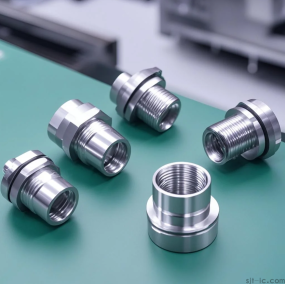
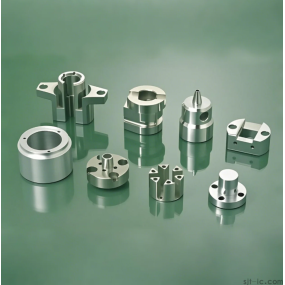
CNC lathe aluminum profile processing is a machining method that uses CNC lathes to cut, shape, drill, turn, and finish aluminum profiles according to digital design drawings. The CNC system controls the movement of cutting tools with high accuracy, allowing the machine to produce parts with complex structures and precise dimensions.
Unlike traditional manual machining, CNC lathe processing can maintain stable production quality even when manufacturing large quantities of aluminum parts. This makes it suitable for industries that require reliable performance and fast delivery.
Common Challenges in Aluminum Profile Machining
Many manufacturers face several difficulties when processing aluminum profiles:
- Low machining accuracy: Manual operations may cause dimensional errors that affect assembly and product performance.
- Surface quality problems: Incorrect cutting parameters can create scratches, burrs, or rough surfaces.
- Material waste: Poor process planning can increase aluminum waste and production costs.
- Unstable production: Different operators may produce different results, making quality control difficult.
- Long production cycles: Traditional machining methods may not meet urgent delivery requirements.
CNC lathe technology helps solve these problems by improving automation, repeatability, and process control.
Advantages of Using CNC Lathes for Aluminum Profile Processing
The advantages of using CNC lathes for aluminum profile processing make this technology a preferred choice for many manufacturers.
- High precision: CNC machines can achieve strict dimensional control, which is important for parts that require accurate assembly.
- Better production consistency: Once the CNC program is set, the machine can produce multiple parts with the same specifications.
- Complex design capability: CNC lathes can process detailed structures that are difficult to complete manually.
- Improved efficiency: Automated machining reduces labor time and increases production speed.
- Reduced material waste: Proper programming and cutting methods help maximize aluminum usage.
Key Steps in CNC Lathe Aluminum Profile Processing
Understanding the key steps in CNC lathe aluminum profile processing helps manufacturers improve product quality and avoid common machining issues.
Design and drawing review: Engineers analyze product drawings, dimensions, tolerances, and machining requirements before production.
Material preparation: Suitable aluminum profiles are selected and cut into suitable sizes for machining.
CNC programming: Machining instructions are created based on the product design, including cutting speed, tool paths, and processing sequence.
Machining operation: The CNC lathe performs turning, drilling, cutting, and other operations with automatic control.
Quality inspection: Finished parts are measured to confirm dimensions, surface quality, and performance requirements.
Surface treatment and delivery: Additional processes such as polishing, anodizing, or cleaning can be completed according to customer needs.
Materials Selection for Aluminum Profiles in CNC Lathe Processing
Choosing the correct material is important for achieving good machining results. The materials selection for aluminum profiles in CNC lathe processing depends on factors such as strength, corrosion resistance, machinability, and application requirements.
Common aluminum materials used in CNC Machining include:
- 6061 aluminum: A popular choice because it provides good strength, corrosion resistance, and machinability.
- 6063 aluminum: Often used for profiles that require good surface appearance and extrusion performance.
- 7075 aluminum: Suitable for applications requiring higher strength and durability.
Professional machining suppliers can help customers select the most suitable aluminum alloy based on product use, performance requirements, and budget.
How to Achieve Precision Control in CNC Lathe Aluminum Profile Processing
Precision control in CNC lathe aluminum profile processing depends on several factors, including machine accuracy, tooling quality, programming skills, and inspection methods.
- Use high-quality CNC equipment with stable performance.
- Select proper cutting tools designed for aluminum machining.
- Optimize cutting speed and feed rate to prevent deformation.
- Perform regular machine maintenance and calibration.
- Use professional measuring equipment to verify product dimensions.
A reliable CNC processing partner should have strict quality management procedures to ensure every batch meets customer expectations.
Cost-Effective Strategies for CNC Lathe Aluminum Profile Processing
Many companies want high-quality machining but also need to control manufacturing expenses. Applying cost-effective strategies for CNC lathe aluminum profile processing can help reduce unnecessary costs without sacrificing quality.
- Optimize product design: Simplifying unnecessary structures can reduce machining time and tool usage.
- Choose suitable materials: Selecting the right aluminum alloy prevents overpaying for unnecessary performance.
- Improve production planning: Batch production can reduce setup time and increase efficiency.
- Work with experienced suppliers: Professional manufacturers can provide better process solutions and reduce production risks.
Why Choose EMAR for CNC Aluminum Profile Processing?
Choosing the right machining supplier is important for achieving stable quality and competitive costs. EMAR focuses on providing professional CNC processing solutions, including precision machining services for aluminum profiles and other metal components.
With experienced engineers, advanced CNC equipment, and strict quality control procedures, EMAR can support customers from prototype development to mass production. The company works closely with clients to understand design requirements, optimize machining processes, and deliver reliable parts that meet industry standards.
For manufacturers looking for dependable CNC lathe aluminum profile processing services, working with an experienced CNC machining partner can improve product quality, shorten delivery times, and reduce overall production challenges.
Conclusion
CNC lathe aluminum profile processing is an effective manufacturing solution for companies that need accurate, efficient, and repeatable aluminum machining. By selecting the right materials, controlling machining precision, optimizing production methods, and cooperating with professional suppliers, manufacturers can achieve better results while managing costs.
Whether for prototypes or large-scale production, a reliable CNC machining partner can help transform aluminum profile designs into high-quality finished components.