Talk about the basic knowledge commonly used in Shenzhen machinery parts processing machinery parts
Machinery parts processing is an important foundation for modern manufacturing. Shenzhen has become a major center for precision manufacturing and machinery parts production, serving industries such as electronics, automation, automotive, medical equipment, and aerospace. For manufacturers, buyers, and engineers, understanding the basic knowledge commonly used in Shenzhen machinery parts processing machinery parts can help them choose suitable materials, understand production processes, and improve product quality.
Many people who are new to machinery parts processing have questions: What materials are suitable for different parts? Which processing methods should be selected? How can quality be controlled? What precision level is required? This article explains these basic points in simple language and helps readers better understand the key knowledge used in Shenzhen machinery parts processing.
1. Introduction to Shenzhen Machinery Parts Processing
Shenzhen is one of the most important manufacturing cities in China. With advanced equipment, experienced technicians, and a strong supply chain, Shenzhen machinery parts processing factories provide solutions for many global customers.
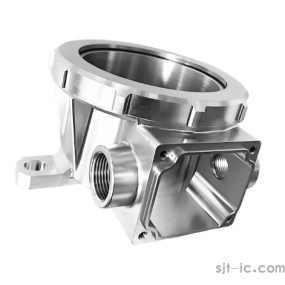
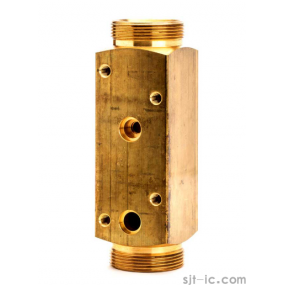
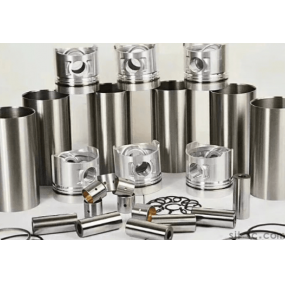
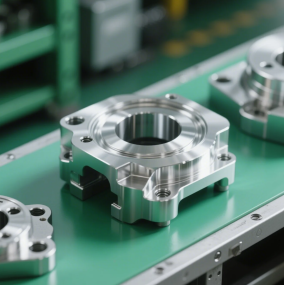
Machinery parts processing means turning raw materials into finished parts through different manufacturing methods. These parts may include shafts, gears, brackets, housings, connectors, molds, and other components used in machines.
For companies looking for reliable suppliers, understanding basic knowledge is very important. It helps customers communicate technical requirements clearly, avoid wrong material choices, control costs, and ensure the final parts meet application needs.
Companies like EMAR focus on understanding these basic processing principles and applying professional experience to help customers choose suitable solutions for Shenzhen machinery parts manufacturing projects.
2. Materials Commonly Used in Shenzhen Machinery Parts
Choosing the right material is one of the first steps in machinery parts production. Different working environments require different material properties, such as strength, corrosion resistance, weight, and electrical performance. Understanding materials for Shenzhen machinery parts helps customers make better decisions.
Metal Materials
Steel
Steel is one of the most commonly used materials in machinery parts processing because it has good strength and durability.
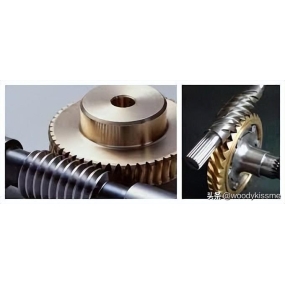
- Carbon steel: Carbon steel is widely used for general mechanical parts because it provides good strength at a reasonable cost. For example, Shenzhen factories may use carbon steel to produce gears for transmission systems because gears need to handle repeated pressure and movement.
- Stainless steel: Stainless steel has excellent corrosion resistance. It is often used in food processing equipment, medical equipment, and parts exposed to water or chemicals.
- Alloy steel: Alloy steel contains additional elements such as chromium, nickel, or molybdenum. These elements improve strength and wear resistance, making alloy steel suitable for high-stress applications such as aerospace and heavy machinery parts.
Aluminum
Aluminum is popular because it is lightweight and has good heat transfer ability. In Shenzhen's electronics industry, aluminum is often used for heat sinks that remove heat from electronic devices.
For example, a computer cooling system may use an aluminum heat sink because aluminum quickly transfers heat away from the processor. Aluminum is also used in automotive parts because reducing weight can improve energy efficiency.
Copper
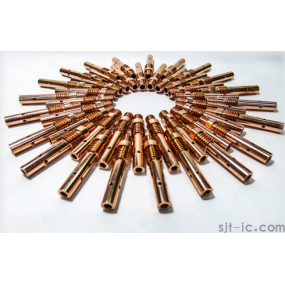
Copper is widely used when electrical conductivity is important. Electrical machinery parts, connectors, and conductive components often use copper because it allows electricity to flow efficiently.
A Shenzhen factory producing electrical equipment may choose copper parts to improve electrical performance and reduce energy loss.
Non-Metal Materials
Plastics
Plastics are commonly used because they are affordable, easy to shape, and resistant to corrosion. Materials such as ABS plastic are often used for machinery covers, protective shells, and small structural parts.
For example, a plastic housing for an electronic device can protect internal components while reducing production costs.
Ceramics
Ceramic materials are used in special applications that require heat resistance, wear resistance, or electrical insulation.
For example, ceramic bearings can work in high-temperature environments and reduce friction, helping machines operate more efficiently.
3. Basic Processing Methods in Shenzhen Machinery Parts
After selecting materials, manufacturers need suitable production methods. Different parts require different techniques. Understanding the main processing methods in Shenzhen can help customers understand how their products are made.
Machining Processes
Turning
Turning is a machining process where the workpiece rotates while a cutting tool removes material. It is commonly used to make round parts such as shafts and cylinders.
For example, when a Shenzhen factory produces a motor shaft, turning can control the shaft diameter and length accurately. The machine can also create features such as threads or grooves.
Milling
Milling uses a rotating cutting tool to remove material and create flat surfaces, slots, and complex shapes.
For example, when making injection molds in Shenzhen, milling machines create detailed cavities and patterns. Milling is suitable for many materials and is widely used in precision manufacturing.
Drilling
Drilling creates holes in parts by using a rotating drill bit. It is a basic but important process.
For example, metal brackets often require drilled holes so they can be connected with bolts or screws during assembly.
Forming Processes
Forging
Forging shapes metal by applying strong pressure. This process improves the internal structure of metal and increases strength.
For example, automotive crankshafts may use forging because the parts must handle large forces during engine operation.
Stamping
Stamping uses a die and press machine to cut and shape sheet metal quickly. It is suitable for large-volume production.
For example, electronic equipment enclosures can be produced through stamping because many identical metal shells are needed. This method saves time and reduces production costs.
4. Quality Control in Shenzhen Machinery Parts Processing
Good processing is not only about making parts. It is also about ensuring every part meets requirements. Effective quality control in Shenzhen parts production helps prevent problems during assembly and use.
Dimensional Inspection
Dimensional inspection checks whether the size of a part matches the design requirements. Common measuring tools include calipers, micrometers, and coordinate measuring machines (CMM).
For example, a precision shaft used in aerospace equipment may require extremely accurate diameter measurement. A micrometer can check whether the size is within the allowed tolerance range.
Accurate dimensions are important because even a small size difference can cause assembly problems, vibration, or machine failure.
Material Inspection
Material inspection checks whether the selected material has the correct properties. This may include testing hardness, chemical composition, and internal structure.
For example, stainless steel parts used in chemical equipment must have the correct composition to resist corrosion. Hardness testing can confirm whether the material is strong enough for the working environment.
Correct material selection and testing help extend part life and improve machine reliability.
5. Precision Requirements in Shenzhen Machinery Parts
Precision is a key factor in machinery parts manufacturing. Different industries require different accuracy levels. Understanding precision requirements in Shenzhen helps companies choose the right processing standard.
Understanding Tolerance
Tolerance means the acceptable range of size variation during manufacturing. No machining process can produce every part with exactly the same measurement, so engineers set acceptable limits.
For example, a high-precision optical component may require micron-level accuracy. A part designed with a length of 10 mm may only allow a small difference, such as ±0.01 mm.
Meeting tolerance requirements ensures parts fit correctly, operate smoothly, and work safely inside machines.
6. Basics of Machinery Parts Design in Shenzhen
Good manufacturing starts with good design. Understanding machinery parts design basics in Shenzhen helps engineers create parts that are easier to produce, assemble, and maintain.
Function-Based Design
The first step in design is understanding what the part needs to do.
For example, when designing a conveyor belt component, engineers need to consider the load, operating speed, working environment, and expected service life. The design must handle the forces created during operation.
A function-based design helps select the correct material and processing method, reducing the risk of failure.
Assembly-Friendly Design
Parts should also be designed for easy assembly. Features such as rounded edges, chamfers, and accurate connection points can make installation faster and more reliable.
For example, modular machinery systems in Shenzhen often use assembly-friendly designs so technicians can quickly replace parts during maintenance.
This approach reduces assembly time, lowers costs, and improves overall machine quality.
Conclusion
Understanding the basic knowledge commonly used in Shenzhen machinery parts processing machinery parts is important for anyone involved in manufacturing. Material selection, processing methods, quality inspection, precision control, and part design all directly affect the final product performance.
From choosing suitable materials for Shenzhen machinery parts to applying effective quality control in Shenzhen parts production, every step requires professional knowledge and careful management.
With experience in Shenzhen machinery parts processing, EMAR understands these basic principles and helps customers develop practical solutions that meet different industry requirements. A clear understanding of these fundamentals allows businesses to achieve better quality, higher efficiency, and more reliable machinery parts.