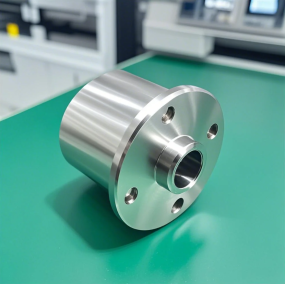
A valve body port-to-port inspection plan identifies which ports communicate, which pairs stay isolated and when each condition is checked. Use this RFQ checklist to tie the expected result to a drawing revision, the required closure state and the person who accepts the evidence.
Map ports and passages on the same drawing revision
Use the port names from the controlled drawing or schematic. Reference the section view for each connection, blind end and construction opening. Mark whether the opening stays accessible, will be closed by an approved component, or is outside the machining supplier’s scope. If the model and drawing disagree, identify the affected row and request written clarification before pricing that operation.
Record expected connections and isolation in the RFQ
These fictional port labels show how to structure a review. Use the geometry, closure details and acceptance criteria approved for your own part.
| Drawing reference | Condition and stage | Evidence and responsibility |
|---|---|---|
| Section A-A, ports P and Q | P communicates with Q in the buyer-defined final closure state. | Record the communication result under the approved method and name who signs it off. |
| Section B-B, ports P and R | P stays isolated from R in the same specified closure state. | Record the isolation result separately and identify the acceptance owner. |
| Section C-C, construction opening C1 | The marked edge remains accessible for the agreed check before closure. | Capture the required evidence, then identify who supplies and installs the specified closure. |
Specify internal edge condition and cleanliness separately
Mark the cross-hole edges that affect fit, sealing or flow. Put the required edge condition on the drawing or in a referenced inspection note. Give the supplier a marked section view when a hole intersection is hard to reach. Ask the supplier to flag access limits and identify the evidence it can provide before the opening is closed.
If your project calls for cleanliness inspection, state the procedure, acceptance criteria, inspection stage and packaging requirements. A deburring check and a cleanliness check answer different questions. Record them separately in the quote.
Agree what gets checked before and after closure
For each check, record the passage ID, drawing revision, part or lot identifier, inspection stage, method, result and owner. If a check needs access through a construction opening, agree when to capture the evidence and how to handle a missing or failed result before the part moves on. Use the closure state called out for each final connectivity or isolation check.
Ask the quote to identify which component checks are included and who handles any required valve assembly, pressure or leak verification. If those activities are in scope, provide the approved procedure and acceptance criteria. The purchasing and engineering teams can then compare the same scope across quotes.
Send the passage map with your machining inquiry
Have the drawing revision, marked sections, material grade, lot quantity and required inspection records ready. Use the inquiry form to describe the part and arrange a secure way to share confidential files. Request a valve body machining quote.
For seat references and casting supply scope, see CNC machining for valve bodies and seats. For machining access and finishing on the drawing, see stainless steel parts with cross-holes and ports.