What Are the CNC Processing Plants for Aluminum Products?
When companies need accurate, durable, and customized aluminum parts, finding the right CNC processing plants for aluminum products becomes an important step. A reliable CNC processing plant can turn aluminum materials into complex components used in industries such as electronics, automotive, medical equipment, aerospace, automation, and machinery.
However, many buyers face problems when selecting a supplier. They may not know how to compare manufacturers, how to check machining ability, or how to control production quality. Choosing the wrong CNC processing plant can lead to problems such as poor precision, delayed delivery, high costs, and inconsistent product quality.
This article explains what CNC processing plants for aluminum products do, how to choose a suitable supplier, and what factors can help you find a reliable partner.
What Are CNC Processing Plants for Aluminum Products?
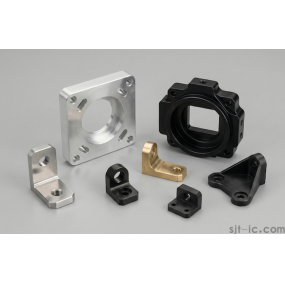
CNC processing plants for aluminum products are manufacturing facilities that use computer numerical control (CNC) machines to process aluminum materials into finished or semi-finished parts. These plants use advanced equipment to perform operations such as milling, turning, drilling, cutting, engraving, and surface treatment.
Unlike traditional machining methods, CNC processing uses programmed instructions to control machine movement. This allows manufacturers to produce aluminum parts with high accuracy, repeatability, and complex designs.
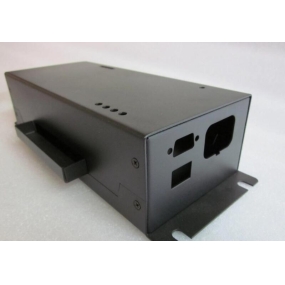
Typical aluminum products made by CNC processing plants include:
- Aluminum housings and enclosures
- Aluminum mechanical parts
- Electronic device components
- Automotive aluminum parts
- Industrial equipment parts
- Customized aluminum prototypes
Professional CNC processing plants can support both small-batch production and large-volume manufacturing based on customer requirements.
What Services Are Provided by CNC Processing Plants for Aluminum Products?
The services provided by CNC processing plants for aluminum products usually cover the complete manufacturing process, from material preparation to final inspection. A capable supplier can help customers reduce communication costs and improve production efficiency.
Common services include:
- CNC milling: Creating precise shapes, holes, slots, and complex surfaces on aluminum parts.
- CNC turning: Producing round or cylindrical aluminum components with accurate dimensions.
- Prototype machining: Helping customers test product designs before mass production.
- Surface treatment: Providing anodizing, polishing, sandblasting, and other finishing processes.
- Quality inspection: Checking product dimensions and appearance to ensure requirements are met.
- Custom machining solutions: Adjusting production methods according to drawings, samples, or technical specifications.
A full-service CNC supplier can provide more than machining. It can also offer engineering support, production advice, and solutions to improve product performance.
Factors to Consider When Choosing CNC Processing Plants for Aluminum Products
Selecting a CNC processing supplier requires careful evaluation. Many companies focus only on price, but a low quotation does not always mean better value. The following are important factors to consider when choosing CNC processing plants for aluminum products.
1. CNC Equipment and Manufacturing Capability
Check whether the plant has modern CNC machines and suitable processing equipment. Advanced machines can improve machining accuracy, reduce production errors, and handle more complex aluminum designs.
A reliable plant should have experience working with different aluminum materials and understand how machining parameters affect product quality.
2. Technical Experience and Engineering Support
Experienced CNC engineers can identify potential design problems before production begins. They can recommend better machining methods, suitable materials, and cost-saving improvements.
This technical support is especially important for customized aluminum products with strict tolerance requirements.
3. Quality Management System
Quality control in CNC processing of aluminum products is a key factor that directly affects product performance. A professional CNC plant should have inspection procedures throughout the manufacturing process.
Important quality control steps may include:
- Raw material inspection
- First-piece inspection before mass production
- Dimensional measurement during machining
- Final product inspection
- Surface quality checks
Using professional inspection equipment, such as coordinate measuring machines (CMM), can help ensure aluminum parts meet customer specifications.
4. Production Capacity and Delivery Time
Before cooperation, customers should understand the supplier's production capacity. A plant with stable production management can handle urgent orders better and provide more reliable delivery schedules.
5. Communication and Customer Support
Good communication reduces mistakes during the manufacturing process. A dependable CNC processing plant should provide clear quotations, production updates, and technical feedback.
Advantages of Different CNC Processing Plants for Aluminum Products
The advantages of different CNC processing plants for aluminum products depend on their equipment, experience, industry focus, and service ability.
- Large CNC factories: Usually have high production capacity and are suitable for large-volume orders.
- Specialized CNC plants: Often provide stronger technical knowledge for specific industries and complex parts.
- Flexible custom machining plants: Better for prototypes, small batches, and customized aluminum products.
- Integrated manufacturing suppliers: Can provide machining, finishing, inspection, and assembly services in one place.
The best choice depends on your product requirements, order quantity, budget, and quality expectations.
How to Improve the Cost-Effectiveness of CNC Processing Plants for Aluminum Products
The cost-effectiveness of CNC processing plants for aluminum products is not only about finding the lowest machining price. A reliable supplier helps reduce hidden costs caused by defects, delays, and repeated production.
Ways to improve cost efficiency include:
- Choosing suitable aluminum materials for the application
- Optimizing product designs for easier machining
- Selecting a supplier with stable quality control
- Combining multiple processes with one experienced manufacturer
- Planning production quantities properly
Working with a professional CNC processing partner can reduce waste and improve long-term production value.
Why Choose EMAR for CNC Processing of Aluminum Products?
EMAR focuses on providing customized CNC Machining solutions for aluminum products. With experience in precision manufacturing, EMAR supports customers from prototype development to production machining.
The company provides services including CNC milling, CNC turning, customized aluminum part processing, and quality inspection. By combining skilled engineers, advanced equipment, and strict production management, EMAR helps customers achieve stable quality and efficient manufacturing.
For companies looking for reliable CNC processing plants for aluminum products, EMAR can provide professional support based on different product designs, production volumes, and industry requirements.
How to Find the Right CNC Processing Plant for Your Aluminum Products
Finding the right supplier requires more than comparing prices. Companies should evaluate machining ability, quality systems, communication efficiency, and long-term cooperation potential.
- Prepare clear product drawings or samples.
- Confirm required materials, tolerances, and surface finishes.
- Review the supplier's equipment and previous experience.
- Ask about inspection methods and quality guarantees.
- Compare quotations based on overall value, not only price.
A suitable CNC processing plant can become a reliable manufacturing partner and help improve product quality, reduce costs, and support business growth.