What Products Can CNC Machining Produce for Your Industry?
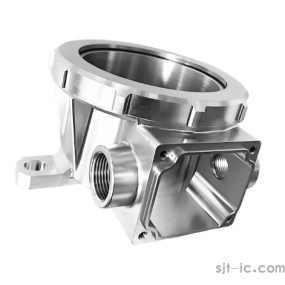
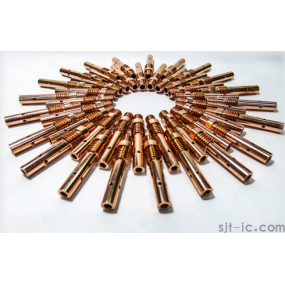
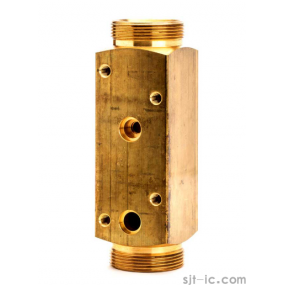
What Products Can CNC Machining Produce for Your Industry? is a common question for businesses that want to improve manufacturing efficiency, reduce production risks, and develop better products. CNC machining is not limited to making simple metal parts. With advanced CNC equipment, manufacturers can produce highly precise components, custom parts, prototypes, and production tools for many industries.
Understanding CNC machining capabilities helps companies choose the right manufacturing method, control costs, improve product quality, and find new design possibilities. From aerospace components that must survive extreme conditions to medical implants that require perfect fitting, CNC machining supports industries that depend on accuracy, strength, and reliability.
Companies like EMAR provide customized CNC machining solutions and can produce a wide range of CNC-machined products for different industries, helping customers turn complex designs into reliable finished parts.
CNC-Machined Products in the Aerospace Industry
The aerospace industry requires parts with extremely high precision because aircraft components must operate safely under strong pressure, high temperatures, and continuous vibration. CNC machining plays an important role in producing aerospace parts that meet strict performance requirements.
One important example is engine components, including turbine blades. Turbine blades work inside aircraft engines where temperatures and forces are extremely high. These parts need complex curved shapes and very tight tolerances to support efficient fuel combustion and power generation. CNC machining can create these complex geometries with excellent accuracy, ensuring that turbine blades perform reliably during flight.
CNC machining is also widely used to produce structural aerospace components such as wing spars and fuselage frames. These parts must provide high strength while keeping the aircraft lightweight. CNC-machined products in aerospace often use materials such as titanium alloys and aluminum alloys because these materials offer an excellent strength-to-weight ratio.
Machining aerospace materials requires careful process control. Titanium, for example, is strong but difficult to machine because it generates heat during cutting. Manufacturers must adjust cutting speeds, tools, and cooling methods to maintain part accuracy and surface quality. Advanced CNC machining suppliers use optimized processes to handle these demanding materials.
Automotive Products from CNC Machining
The automotive industry uses CNC machining to produce both functional mechanical parts and customized design components. Vehicle performance depends on accurate parts that work together smoothly, and CNC machining helps manufacturers achieve the required precision.
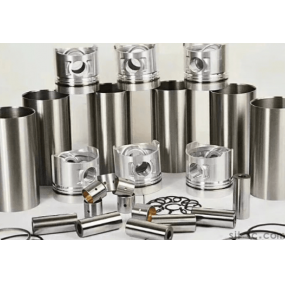
Engine components are some of the most important automotive products from CNC machining. Parts such as cylinder heads, crankshafts, and camshafts require exact dimensions to maintain proper fuel-air mixture, efficient combustion, and stable engine operation. Even small dimensional errors can affect engine performance, fuel efficiency, and durability.
CNC machining also produces transmission components, including gears and shafts. These parts must handle high loads and transfer power efficiently from the engine to the wheels. Precise CNC machining helps create smooth movement, reduces wear, and improves transmission reliability.
Beyond mechanical parts, CNC machining supports automotive interior design. Manufacturers can create custom dashboard panels, door handles, control components, and decorative parts with attractive finishes and ergonomic shapes. CNC technology allows designers to develop unique vehicle interiors while maintaining consistent quality.
By using CNC machining, automotive companies can produce both high-performance components and customized parts that meet changing market demands.
Medical Products via CNC Machining
The medical industry depends on CNC machining because medical devices and implants require exceptional accuracy, clean surfaces, and strict quality control. A small manufacturing error can affect product performance and patient safety, so precision is essential.
CNC machining is commonly used to produce surgical instruments such as scalpels, forceps, and surgical drills. These tools need sharp edges, smooth surfaces, and accurate dimensions to support safe and effective medical procedures. CNC machines can create these features consistently while meeting strict manufacturing standards.
Medical implants are another important application. Products such as hip replacements and knee implants often require patient-specific designs. CNC machining can produce implants with customized geometries that provide better fitting, improved comfort, and reduced risks of complications.
Medical CNC machining often uses biocompatible materials such as titanium and certain medical-grade polymers. These materials can work safely with the human body, but they require careful machining processes. Manufacturers must control surface finish, cleanliness, and inspection procedures to meet medical requirements.
Reliable CNC machining suppliers follow strict quality systems to ensure medical products meet requirements for accuracy, durability, and sterilization.
Electronics Products Made by CNC Machining
Modern electronic devices are becoming smaller, faster, and more powerful. CNC machining helps electronics manufacturers create precise components that improve assembly accuracy, heat management, and product protection.
One common application is PCB fixtures. These fixtures hold printed circuit boards in the correct position during manufacturing and assembly. CNC machining can produce fixtures with accurate cut-outs and alignment features, helping production teams install electronic components correctly and reduce assembly errors.
Heat sinks are another important electronics product made by CNC machining. Electronic components generate heat during operation, and poor heat control can reduce performance or cause failure. CNC machining can create complex heat sink designs with detailed fins and channels that improve heat transfer and cooling efficiency.
CNC machining is also used to produce custom electronic enclosures. These protective housings can be designed with precise dimensions, mounting features, and high-quality surface finishes. Whether used for industrial equipment, consumer electronics, or communication devices, CNC-machined enclosures protect internal components while improving product appearance.
General Manufacturing with CNC-Made Products and Prototyping
In general manufacturing, CNC machining helps companies create production tools, custom parts, and prototypes quickly and accurately. Businesses use CNC-made products to improve manufacturing processes and develop new solutions.
Jigs and fixtures are common examples. These tools help workers position, hold, and assemble parts correctly during production. CNC machining can quickly produce these tools with precise dimensions, reducing assembly errors and improving production efficiency.
CNC machining is also valuable for product development and prototyping. Instead of waiting for expensive molds or large production setups, companies can create functional prototypes directly from digital designs. These prototypes allow engineers to test real parts, check performance, find design problems, and make improvements before mass production.
For example, a manufacturer developing a new machine component can use CNC machining to create a working prototype, test its strength and fit, and adjust the design before producing thousands of units. This reduces development time and lowers the risk of costly production changes.
Why Understanding CNC Machining Products Matters for Your Business
Knowing what CNC machining can produce helps businesses make better manufacturing decisions. Whether a company needs aerospace parts, automotive components, medical devices, electronic housings, or production tools, CNC machining offers flexible solutions for both small batches and large-scale production.
- Better design decisions: Understanding CNC capabilities allows engineers to create realistic and manufacturable designs.
- Improved cost control: Choosing the right machining process can reduce material waste, production delays, and redesign costs.
- Higher product quality: Precision CNC machining provides consistent dimensions and reliable performance.
- Faster product development: CNC prototypes help companies test and improve products before full production.
A professional CNC machining partner can support businesses from early design discussions to final production. With advanced equipment, experienced engineers, and strict quality control, EMAR helps customers produce reliable CNC-machined products for industries including aerospace, automotive, medical, electronics, and general manufacturing.
By understanding the wide range of products CNC machining can create, companies can discover new opportunities, improve manufacturing processes, and build higher-quality products for their markets.