What Tips Do Stamping Factories Have to Avoid Damage to Stamped Parts?
In stamping production, preventing damage to stamped parts is one of the most important goals for every stamping factory. Even small defects such as scratches, cracks, burrs, or deformation can increase production costs, cause delivery delays, and reduce customer satisfaction.
Many stamping problems are not caused by one single factor. They usually come from poor material selection, worn dies, incorrect production settings, improper handling, or weak inspection systems. By controlling each stage carefully, stamping factories can reduce defects and produce reliable, high-quality parts.
This article explains practical methods for avoiding damage to stamped parts, including raw material selection for stamped parts, die maintenance to prevent part damage, process control in stamped part production, handling precautions for stamped parts, and quality inspection to avoid part damage.
1. Choose the Right Raw Materials for Stamped Parts
The quality of raw materials directly affects the quality of finished stamped parts. Selecting unsuitable materials can create problems during stamping, even when the die and equipment are working correctly.
Check Material Quality Before Production
High-quality raw materials provide better strength, thickness consistency, and forming performance. Before stamping begins, factories should check material specifications and ensure that the metal sheets meet required standards.
For example, when producing automotive body panels, using high-strength steel with stable mechanical properties is essential. Low-quality steel may contain internal defects, uneven thickness, or inconsistent hardness. During stamping, these issues can lead to cracks, wrinkles, or uneven deformation.
Using reliable materials reduces the risk of damage and improves production stability.
Ensure Material Compatibility with the Application
The selected material must match both the stamping process and the final working environment of the part.
For example, stamped parts used in outdoor equipment or automotive applications may need corrosion resistance. In these cases, stainless steel or coated steel sheets may be more suitable than ordinary steel. Choosing the wrong material can cause early corrosion, weakness, or failure after production.
Proper material compatibility helps stamped parts maintain their strength, appearance, and service life.
2. Perform Regular Die Maintenance to Prevent Part Damage
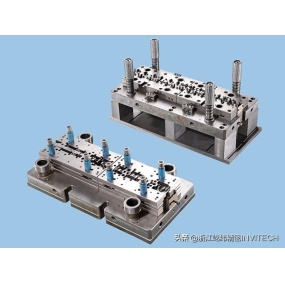
The stamping die is one of the most important tools in the production process. A damaged or worn die can quickly create defects in large quantities of stamped parts. Therefore, die maintenance to prevent part damage should be a regular practice in every stamping factory.
Inspect Dies Regularly
Factories should regularly check stamping dies for wear, cracks, alignment problems, and damaged cutting edges. Small die problems can become serious production issues if they are ignored.
For example, in a factory producing metal buttons, worn die edges may cause rough edges, incomplete shapes, or uneven surfaces on the finished buttons. Detecting this wear early allows technicians to repair the die before more defective parts are produced.
Regular inspection helps extend die life and keeps stamped parts consistent.
Repair or replace Damaged Die Components Quickly
When die components show serious wear, factories should repair or replace them immediately. Continuing production with damaged tooling often creates more defects and increases waste.
For example, if a punch inside a stamping die develops cracks, it may create burrs, incorrect holes, or misaligned features on stamped parts. Replacing the damaged punch prevents these quality problems.
Timely die repair ensures stable production and reduces the chance of part damage.
3. Improve Process Control in Stamped Part Production
Even with good materials and well-maintained dies, incorrect production settings can damage stamped parts. Strong process control in stamped part production helps factories maintain stable quality throughout manufacturing.
Use Proper Lubrication
Lubrication reduces friction between the metal sheet and the stamping die. Without enough lubrication, the material may scratch, stick to the die, or develop surface defects.
For example, when stamping aluminum parts, using the correct lubricant allows the material to flow smoothly through the die. This helps prevent surface scratches and improves the final appearance of the part.
The right lubrication method protects the part surface and improves stamping performance.
Control Stamping Parameters Carefully
Stamping factories must set suitable production parameters, including stamping force, speed, and stroke length. Incorrect settings can cause cracks, deformation, or dimensional errors.
For example, when producing thin-walled metal parts, excessive punch force may damage the material and create cracks. Adjusting the force according to material thickness and part design helps achieve accurate forming without damage.
Careful process control ensures that every stamped part is formed correctly and consistently.
4. Follow Proper Handling Precautions for Stamped Parts
Damage does not only happen during stamping. Finished parts can also become damaged during movement, storage, or transportation. Proper handling precautions for stamped parts are necessary to protect product quality.
Train Workers to Handle Parts Carefully
Workers should avoid dropping, throwing, or stacking stamped parts roughly. Physical impact can create dents, scratches, deformation, or even breakage.
For example, stamped jewelry components often have small and delicate features. Workers need to carefully pick up and transfer these parts to avoid surface damage.
Gentle handling keeps finished parts in good condition after production.
Use Suitable Packaging Methods
Proper packaging prevents stamped parts from hitting or rubbing against each other during storage and transportation.
Factories can use foam-lined trays, plastic separators, or cardboard dividers depending on the part shape and surface requirements. For exported metal stamped parts, strong packaging is especially important because products may experience long-distance transportation.
Good packaging reduces damage risks and helps customers receive parts in excellent condition.
5. Use Quality Inspection to Avoid Part Damage
Inspection is the final protection step for preventing defective stamped parts from reaching customers. A strong quality inspection to avoid part damage system helps factories identify problems early and maintain reliable production.
Perform In-Process Inspection
Factories should inspect parts during different production stages instead of waiting until the end. Early inspection allows problems to be corrected before large quantities of defective parts are produced.
For example, after the first stamping operation, workers can check for cracks, burrs, scratches, and incorrect dimensions. If a problem is found, operators can immediately adjust the machine, die, or material settings.
In-process inspection reduces waste and improves production efficiency.
Complete Final Inspection Before Delivery
Before shipment, stamped parts should receive a complete quality check. Factories may use visual inspection, measuring tools, and advanced testing equipment depending on customer requirements.
For example, automotive stamped parts may require coordinate measuring machine (CMM) inspection to confirm that dimensions meet design specifications. This ensures that only qualified parts are delivered.
Final inspection gives customers confidence in the accuracy and reliability of stamped products.
6. How EMAR Helps Produce High-Quality Stamped Parts with Minimal Damage
EMAR applies professional stamping knowledge and strict manufacturing practices to reduce the risk of damage during production. The company focuses on every important stage, from material selection and die management to process control and final inspection.
Advanced Stamping Techniques
With experience in precision stamping production, EMAR uses suitable materials, optimized stamping methods, and advanced production technologies to improve part quality.
For example, when producing precision stamped parts for industries such as electronics, careful process management helps maintain accurate dimensions, smooth surfaces, and minimal defects.
This approach allows customers to receive stamped parts that meet strict quality requirements.
Strict Quality Assurance System
EMAR also emphasizes quality control throughout the manufacturing process. Regular inspections, careful handling procedures, and continuous process improvement help prevent damage before products reach customers.
For industries that require reliable stamped components, such as aerospace and high-end manufacturing, strong quality assurance provides greater confidence in product performance and consistency.
Conclusion
Avoiding damage to stamped parts requires attention at every stage of production. Stamping factories can reduce defects by selecting suitable materials, maintaining dies regularly, controlling production processes, handling parts carefully, and performing strict inspections.
The answer to “What tips do stamping factories have to avoid damage to stamped parts?” is not one single technique. It is a complete quality management approach that combines good materials, reliable equipment, skilled operation, and effective inspection.
By following these practices, stamping factories can improve efficiency, reduce costs, and consistently deliver high-quality stamped parts with minimal damage.