HTML
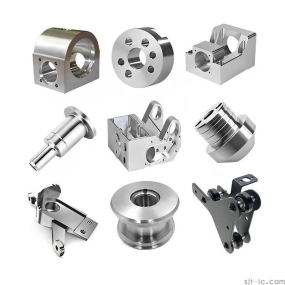
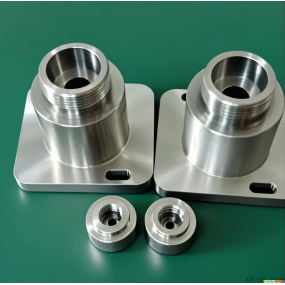
Aluminum Product CNC Machining is widely used to create accurate, lightweight, and durable parts for industries such as electronics, automotive, aerospace, medical equipment, and consumer products. Aluminum is one of the most popular materials for CNC machining because it offers a strong balance between performance, cost, and manufacturing efficiency.
Many product designers choose aluminum because it is much lighter than steel while still providing good strength. It also has excellent thermal conductivity, which helps products remove heat during operation. In addition, aluminum naturally forms a protective oxide layer that improves corrosion resistance, making it suitable for outdoor products, housings, heat sinks, and mechanical components.
Why Aluminum Is a Preferred Material for CNC Machined Products
Choosing the right material is one of the most important steps in CNC manufacturing. Aluminum provides several advantages that help manufacturers create high-quality products:
- Lightweight structure: Aluminum reduces product weight while maintaining enough strength for many applications. This is especially valuable for portable devices, vehicles, and aerospace components.
- Excellent machinability: Aluminum is easier to cut compared with many harder metals, which allows faster machining speeds and lower tool wear.
- Good thermal conductivity: Aluminum quickly transfers heat, making it ideal for heat sinks, LED components, electronic housings, and cooling parts.
- Corrosion resistance: Aluminum provides natural protection against oxidation, and additional surface treatments can further improve durability.
- Attractive appearance: Aluminum can achieve a smooth surface finish and can be anodized in different colors for a premium look.
For companies that need reliable aluminum parts, working with an experienced supplier is important. EMAR provides professional aluminum CNC machining services with advanced equipment, skilled technicians, and strict quality inspection processes to help customers produce accurate and consistent aluminum components.
Design Considerations for Aluminum Product CNC Machining
A successful CNC machining project starts with a well-planned design. Design considerations for aluminum product CNC machining directly affect production cost, machining time, product performance, and final appearance.
During the design stage, engineers should first understand the product's intended use. A part used in a high-temperature environment may need better heat transfer, while a structural component may require higher strength. The design should balance function, durability, appearance, and manufacturing requirements.
Important design factors include:
- Wall thickness: Very thin walls can become damaged or distorted during machining. Proper thickness improves stability.
- Corner design: Internal sharp corners are difficult for cutting tools to produce. Adding suitable radii can improve machining efficiency.
- Tolerance requirements: Extremely tight tolerances increase production difficulty and cost, so they should only be used where necessary.
- Surface appearance: Designers should consider whether the product needs polishing, anodizing, or another finish after machining.
Designing aluminum products for CNC machining also requires cooperation between designers and manufacturers. Experienced CNC suppliers can provide suggestions to improve manufacturability before production begins, reducing unnecessary costs and delays.
Aluminum Alloy Selection for CNC-Made Products
Different aluminum alloys provide different levels of strength, corrosion resistance, machinability, and surface quality. Proper aluminum alloy selection for product machining helps ensure the final part meets its application requirements.
Common Aluminum Alloys Used in CNC Machining
- 6061 Aluminum: A popular all-purpose alloy with good strength, corrosion resistance, and machinability. It is commonly used for frames, brackets, housings, and mechanical parts.
- 7075 Aluminum: A high-strength alloy often selected for aerospace and performance applications where strength is more important than cost.
- 5052 Aluminum: Known for excellent corrosion resistance and good forming ability, making it suitable for marine parts and sheet metal products.
- 2024 Aluminum: Provides high strength and fatigue resistance, often used in aerospace applications.
- 6063 Aluminum: Offers good surface finish quality and is commonly used for decorative profiles and products requiring attractive appearance.
The best alloy depends on the product requirements. For example, a decorative electronic housing may prioritize appearance and surface treatment performance, while a mechanical component may require higher strength. EMAR helps customers select suitable aluminum materials based on product function, production volume, and performance expectations.
CNC Machining Operations for Aluminum Products
After the design and material selection stages, the aluminum workpiece enters the machining process. CNC machines use programmed instructions to remove material and create accurate shapes.
Milling in Aluminum Product CNC Machining
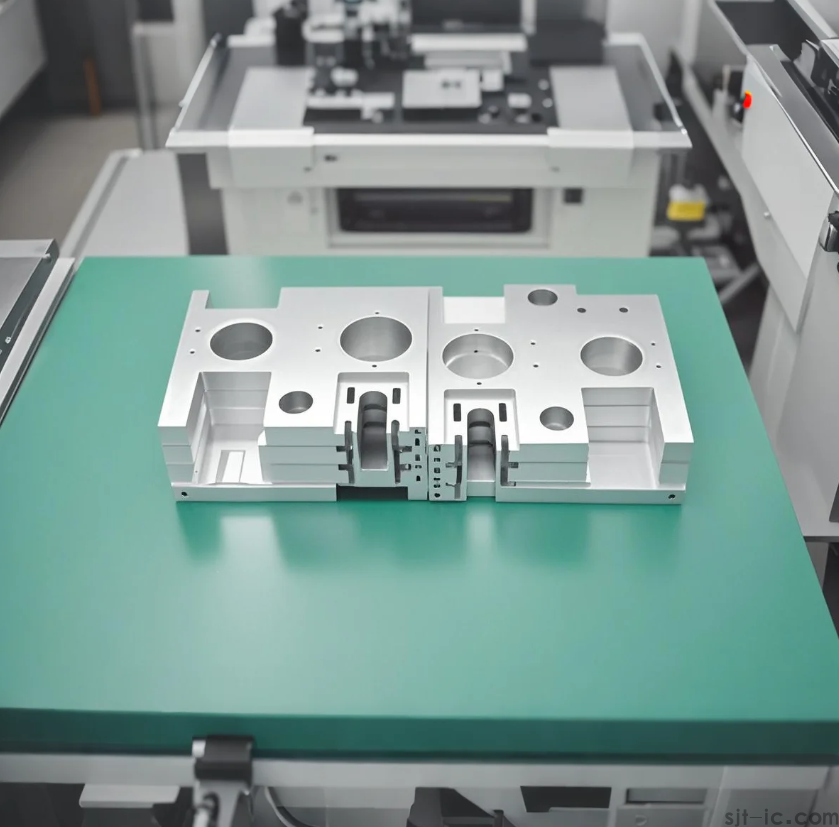
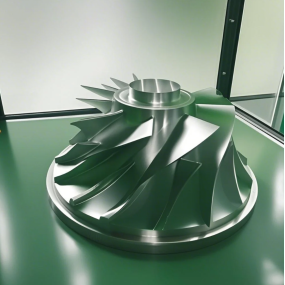
Milling in aluminum product CNC machining is one of the most common operations. CNC milling uses rotating cutting tools to create flat surfaces, slots, pockets, holes, and complex shapes.
For aluminum milling, manufacturers usually select sharp carbide tools because aluminum can stick to cutting edges if unsuitable tools are used. Proper tool geometry helps produce cleaner cuts and better surface finishes.
Typical milling considerations include:
- Cutting speed: Aluminum allows relatively high cutting speeds compared with many metals because of its good machinability.
- Feed rate: The feed rate must be balanced to remove material efficiently while avoiding excessive tool pressure.
- Depth of cut: Deeper cuts improve productivity but must be controlled to prevent vibration and poor surface quality.
- Coolant management: Proper cooling and lubrication help remove heat and prevent material buildup on tools.
Turning and Drilling Operations
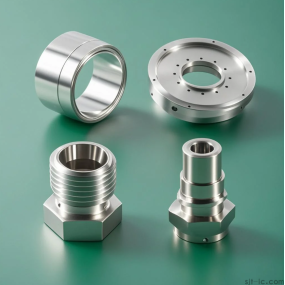
CNC turning is used when aluminum parts require cylindrical features, such as shafts, rings, connectors, or threaded components. The workpiece rotates while a cutting tool removes material to create precise diameters and profiles.
Drilling operations create accurate holes for screws, fasteners, and assembly features. Using suitable drill designs and controlling cutting parameters helps prevent rough hole surfaces and dimensional errors.
Handling Heat-Related Issues in Aluminum CNC Machining
Although aluminum is easy to machine, heat control remains an important challenge. Handling warping in aluminum product machining requires careful process planning because excessive heat can cause material expansion and dimensional changes.
Common methods to reduce heat-related problems include:
- Using sharp cutting tools to reduce cutting resistance.
- Applying proper coolant or lubrication during machining.
- Using balanced cutting parameters to avoid excessive tool pressure.
- Supporting thin parts properly during machining.
- Removing material gradually instead of taking overly deep cuts.
For thin-wall aluminum components, manufacturers may use special machining strategies to reduce stress and prevent deformation. Careful fixture design and inspection after machining help maintain the required dimensions.
Achieving Smooth Surface Finish and Tight Tolerances
Many aluminum products require both excellent appearance and accurate dimensions. Achieving a smooth finish depends on several factors, including tool quality, machining speed, feed rate, machine stability, and operator experience.
To maintain tight tolerances, professional CNC manufacturers use precise measuring equipment such as coordinate measuring machines (CMMs) and inspection tools. Regular quality checks during production help identify problems early and ensure parts meet customer specifications.
EMAR focuses on quality control throughout the aluminum machining process. By combining experienced technicians, advanced CNC equipment, and inspection procedures, EMAR supports customers who need reliable aluminum parts with consistent accuracy.
Post-Machining Finishes for Aluminum CNC-Made Products
After machining, aluminum parts often receive additional surface treatments to improve appearance, protection, and performance. Post-machining treatments for aluminum CNC-made products can extend product life and create a more attractive finish.
- Anodizing: Creates a protective oxide layer that improves corrosion resistance and allows different colors and finishes.
- Powder coating: Provides a durable decorative coating with strong protection against environmental conditions.
- Polishing: Produces a smooth and reflective surface for products requiring a premium appearance.
- Brushing: Creates a consistent textured finish often used for consumer electronics and decorative parts.
- Sandblasting: Produces a uniform matte surface and helps prepare parts for further treatments.
The right finishing method depends on the product environment, appearance requirements, and expected service life. For example, outdoor components may benefit from stronger protective treatments, while consumer products may focus more on visual quality.
Choosing the Right Aluminum CNC Machining Partner
A reliable CNC machining partner can make a major difference in product quality, delivery time, and overall project cost. When selecting a supplier, customers should consider:
- Experience with different aluminum alloys and applications.
- Ability to handle complex designs and strict tolerances.
- Modern CNC equipment and professional machining processes.
- Strong quality control and inspection systems.
- Support from design review to final production.
EMAR provides comprehensive aluminum CNC machining solutions, supporting customers from initial design review and material selection to precision machining and surface finishing. With experienced engineers and a focus on quality, EMAR helps businesses develop aluminum products that meet functional, aesthetic, and production requirements.
Conclusion
Aluminum Product CNC Machining offers an effective way to create lightweight, durable, and precise products for many industries. The key to successful production is making the right decisions at every stage, including product design, aluminum alloy selection, machining process planning, heat control, quality inspection, and surface treatment.
By understanding these factors and working with an experienced manufacturer, companies can achieve high-quality aluminum products with excellent performance, appearance, and long-term reliability.
 English
 » »
» »
 Spanish
 Arabic
 French
 Portuguese
 Belarusian
 Japanese
 Russian
 Malay
Malay Icelandic
 Bulgarian
 Azerbaijani
 Estonian
 Irish
Irish Polish
 Persian
 Boolean
 Danish
 German
 Filipino
 Finnish
 Korean
 Dutch
Dutch Galician
 Catalan
 Czech
Czech Croatian
 Latin
Latin Latvian
 Romanian
 Maltese
 Macedonian
 Norwegian
 Swedish
 Serbian
 Slovak
 Slovenian
 Swahili
 Thai
Thai Turkish
 Welsh
Welsh Urdu
Urdu Ukrainian
 Greek
Greek Hungarian
 Italian
 Yiddish
 Indonesian
 Vietnamese
 Haitian Creole
 Spanish Basque