HTML
CNC Sleeve Machining: A Practical Guide for High-Precision Sleeve Production
CNC Sleeve Machining is a modern manufacturing process used to produce cylindrical sleeve parts with high accuracy, smooth surfaces, and consistent quality. These sleeves are widely used in industries such as automotive, aerospace, machinery, hydraulics, and energy systems.
Many buyers and engineers face the same problems: unstable quality, poor dimensional accuracy, short service life, or difficulty finding a reliable supplier. This article explains how CNC sleeve machining works, what affects quality, and how to choose the right manufacturing approach in simple, clear English.
What Is CNC Sleeve Machining?
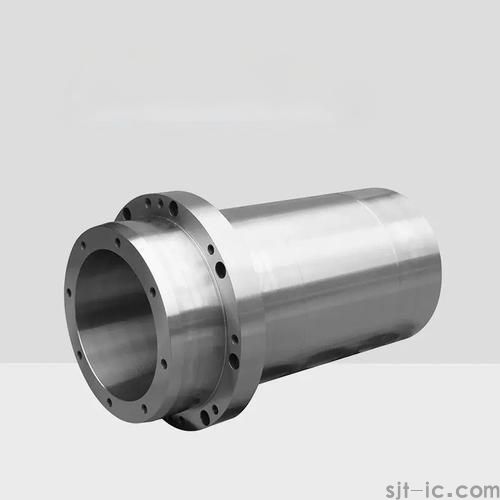
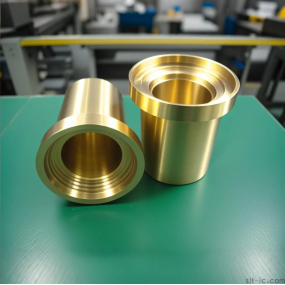
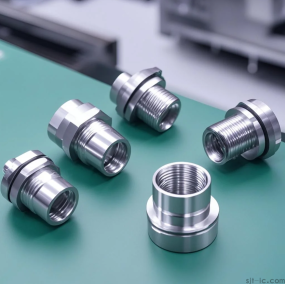
CNC Sleeve Machining is the process of producing sleeve-shaped components using computer-controlled machines. A sleeve is usually a hollow cylindrical part that fits over a shaft, guide, or rotating element.
Compared to traditional manual machining, CNC technology ensures better repeatability, tighter tolerances, and smoother surface finishes. This makes it ideal for mass production and precision engineering applications.
Why CNC Is Ideal for Sleeve Manufacturing
The advantages of CNC in sleeve manufacturing are especially important for industries requiring high reliability and long service life.
- Stable dimensional accuracy across large production batches
- Reduced human error during machining
- Better surface finish for reduced friction
- Faster production cycles and improved efficiency
- Ability to machine complex internal and external geometries
Because sleeves often work in moving systems, even small errors can cause wear, vibration, or system failure. CNC Machining helps minimize these risks.
Steps in CNC Sleeve Machining
The steps in CNC sleeve machining are carefully designed to ensure precision and consistency from raw material to finished product.
- Material Selection – Common materials include stainless steel, aluminum, brass, and engineering plastics depending on application needs.
- Blank Preparation – The raw material is cut into suitable sizes for machining.
- CNC Programming – Engineers create digital instructions that define cutting paths, speeds, and tool movements.
- Rough Machining – Excess material is removed to form the basic sleeve shape.
- Precision Machining – Final dimensions and internal surfaces are refined to meet tolerance requirements.
- Surface Finishing – Polishing, grinding, or coating may be applied to improve wear resistance.
- Final Inspection – Every sleeve is checked before delivery.
Precision Requirements for CNC-Machined Sleeves
The precision requirements for CNC-machined sleeves are often strict because these parts must fit perfectly with shafts or rotating components.
Typical requirements include:
- Tolerance control within microns for high-end applications
- Perfect concentricity between inner and outer diameters
- Surface roughness control to reduce friction and wear
- Stable thermal behavior during operation
If precision is not controlled properly, issues like vibration, leakage, or premature wear can occur. That is why advanced CNC equipment and skilled technicians are essential.
Tooling Selection for CNC Sleeve Machining
Choosing the right tools has a direct impact on quality and efficiency. Tooling selection for CNC sleeve machining depends on material type, geometry, and required surface finish.
- Carbide cutting tools – Ideal for stainless steel and hard materials
- High-speed steel tools – Suitable for general-purpose machining
- Coated tools – Improve tool life and reduce heat buildup
- Special boring tools – Used for precise internal diameters of sleeves
Proper tooling not only improves accuracy but also reduces production cost by extending tool life and minimizing rework.
Quality Control in CNC Sleeve Machining
Quality control in CNC sleeve machining is a key factor in ensuring reliable performance in real-world applications.
Manufacturers typically use multiple inspection methods:
- Coordinate Measuring Machines (CMM) for dimensional accuracy
- Micrometers and calipers for manual verification
- Surface roughness testers
- Roundness and concentricity measurement tools
Good quality control ensures that every sleeve meets design requirements before it is shipped to customers.
Common Challenges and How to Solve Them
Even with advanced CNC systems, some challenges may occur in sleeve machining:
- Tool wear: solved by proper tool selection and regular replacement
- Heat deformation: controlled through cooling systems and optimized cutting speeds
- Surface defects: reduced by improving finishing processes
- Dimensional drift: prevented with real-time machine calibration
Addressing these issues early helps maintain stable production quality and reduce cost.
Choosing a Reliable CNC Sleeve Machining Partner
When selecting a supplier, experience, equipment, and quality systems are very important. A professional manufacturer should offer stable production capability, engineering support, and strict inspection processes.
EMAR is one example of a manufacturer with strong expertise in CNC sleeve machining. With advanced CNC equipment and experienced engineers, EMAR focuses on delivering high-precision sleeve components for global industrial applications. Their attention to detail in process control and quality inspection helps customers achieve consistent performance and long-term reliability.
Conclusion
CNC Sleeve Machining plays a critical role in modern precision manufacturing. From material selection to final inspection, every step influences the performance of the final sleeve part.
By understanding the steps in CNC sleeve machining, focusing on precision requirements for CNC-machined sleeves, choosing the right tools, and implementing strict quality control, manufacturers can significantly improve product reliability.
Whether for small-scale prototypes or large industrial production, CNC technology provides clear benefits in accuracy, efficiency, and consistency—making it the preferred solution for sleeve manufacturing today.
HTML
CNC Sleeve Machining: A Practical Guide for High-Precision Sleeve Production
CNC Sleeve Machining is a modern manufacturing process used to produce cylindrical sleeve parts with high accuracy, smooth surfaces, and consistent quality. These sleeves are widely used in industries such as automotive, aerospace, machinery, hydraulics, and energy systems.
Many buyers and engineers face the same problems: unstable quality, poor dimensional accuracy, short service life, or difficulty finding a reliable supplier. This article explains how CNC sleeve machining works, what affects quality, and how to choose the right manufacturing approach in simple, clear English.
What Is CNC Sleeve Machining?
CNC Sleeve Machining is the process of producing sleeve-shaped components using computer-controlled machines. A sleeve is usually a hollow cylindrical part that fits over a shaft, guide, or rotating element.
Compared to traditional manual machining, CNC technology ensures better repeatability, tighter tolerances, and smoother surface finishes. This makes it ideal for mass production and precision engineering applications.
Why CNC Is Ideal for Sleeve Manufacturing
The advantages of CNC in sleeve manufacturing are especially important for industries requiring high reliability and long service life.
- Stable dimensional accuracy across large production batches
- Reduced human error during machining
- Better surface finish for reduced friction
- Faster production cycles and improved efficiency
- Ability to machine complex internal and external geometries
Because sleeves often work in moving systems, even small errors can cause wear, vibration, or system failure. CNC machining helps minimize these risks.
Steps in CNC Sleeve Machining
The steps in CNC sleeve machining are carefully designed to ensure precision and consistency from raw material to finished product.
- Material Selection – Common materials include stainless steel, aluminum, brass, and engineering plastics depending on application needs.
- Blank Preparation – The raw material is cut into suitable sizes for machining.
- CNC Programming – Engineers create digital instructions that define cutting paths, speeds, and tool movements.
- Rough Machining – Excess material is removed to form the basic sleeve shape.
- Precision Machining – Final dimensions and internal surfaces are refined to meet tolerance requirements.
- Surface Finishing – Polishing, grinding, or coating may be applied to improve wear resistance.
- Final Inspection – Every sleeve is checked before delivery.
Precision Requirements for CNC-Machined Sleeves
The precision requirements for CNC-machined sleeves are often strict because these parts must fit perfectly with shafts or rotating components.
Typical requirements include:
- Tolerance control within microns for high-end applications
- Perfect concentricity between inner and outer diameters
- Surface roughness control to reduce friction and wear
- Stable thermal behavior during operation
If precision is not controlled properly, issues like vibration, leakage, or premature wear can occur. That is why advanced CNC equipment and skilled technicians are essential.
Tooling Selection for CNC Sleeve Machining
Choosing the right tools has a direct impact on quality and efficiency. Tooling selection for CNC sleeve machining depends on material type, geometry, and required surface finish.
- Carbide cutting tools – Ideal for stainless steel and hard materials
- High-speed steel tools – Suitable for general-purpose machining
- Coated tools – Improve tool life and reduce heat buildup
- Special boring tools – Used for precise internal diameters of sleeves
Proper tooling not only improves accuracy but also reduces production cost by extending tool life and minimizing rework.
Quality Control in CNC Sleeve Machining
Quality control in CNC sleeve machining is a key factor in ensuring reliable performance in real-world applications.
Manufacturers typically use multiple inspection methods:
- Coordinate Measuring Machines (CMM) for dimensional accuracy
- Micrometers and calipers for manual verification
- Surface roughness testers
- Roundness and concentricity measurement tools
Good quality control ensures that every sleeve meets design requirements before it is shipped to customers.
Common Challenges and How to Solve Them
Even with advanced CNC systems, some challenges may occur in sleeve machining:
- Tool wear: solved by proper tool selection and regular replacement
- Heat deformation: controlled through cooling systems and optimized cutting speeds
- Surface defects: reduced by improving finishing processes
- Dimensional drift: prevented with real-time machine calibration
Addressing these issues early helps maintain stable production quality and reduce cost.
Choosing a Reliable CNC Sleeve Machining Partner
When selecting a supplier, experience, equipment, and quality systems are very important. A professional manufacturer should offer stable production capability, engineering support, and strict inspection processes.
EMAR is one example of a manufacturer with strong expertise in CNC sleeve machining. With advanced CNC equipment and experienced engineers, EMAR focuses on delivering high-precision sleeve components for global industrial applications. Their attention to detail in process control and quality inspection helps customers achieve consistent performance and long-term reliability.
Conclusion
CNC Sleeve Machining plays a critical role in modern precision manufacturing. From material selection to final inspection, every step influences the performance of the final sleeve part.
By understanding the steps in CNC sleeve machining, focusing on precision requirements for CNC-machined sleeves, choosing the right tools, and implementing strict quality control, manufacturers can significantly improve product reliability.
Whether for small-scale prototypes or large industrial production, CNC technology provides clear benefits in accuracy, efficiency, and consistency—making it the preferred solution for sleeve manufacturing today.
 English
 » »
» »
 Spanish
 Arabic
 French
 Portuguese
 Belarusian
 Japanese
 Russian
 Malay
Malay Icelandic
 Bulgarian
 Azerbaijani
 Estonian
 Irish
Irish Polish
 Persian
 Boolean
 Danish
 German
 Filipino
 Finnish
 Korean
 Dutch
Dutch Galician
 Catalan
 Czech
Czech Croatian
 Latin
Latin Latvian
 Romanian
 Maltese
 Macedonian
 Norwegian
 Swedish
 Serbian
 Slovak
 Slovenian
 Swahili
 Thai
Thai Turkish
 Welsh
Welsh Urdu
Urdu Ukrainian
 Greek
Greek Hungarian
 Italian
 Yiddish
 Indonesian
 Vietnamese
 Haitian Creole
 Spanish Basque