HTML
CNC Copper Precision Machining: High Accuracy Solutions for Modern Industries
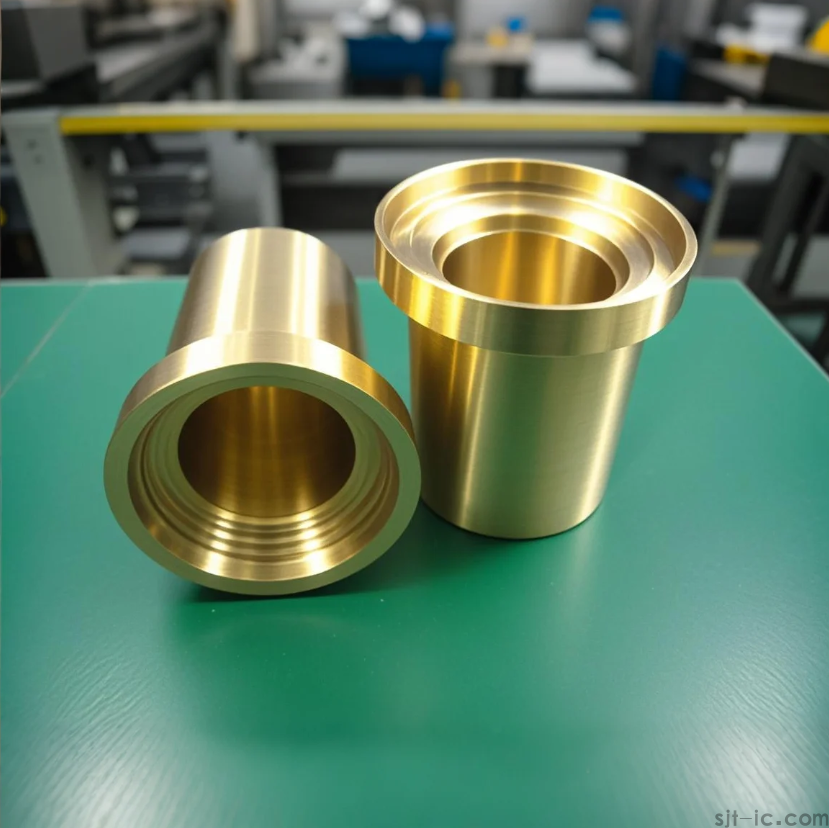
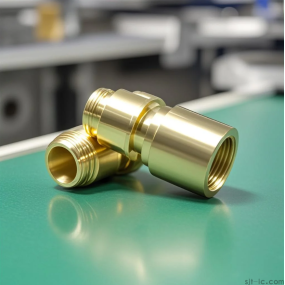
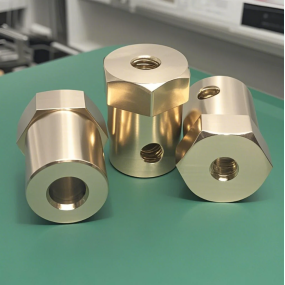
CNC Copper Precision Machining is a highly specialized manufacturing process used to create accurate and reliable copper parts for many industries. Copper is widely used because it offers excellent conductivity, strong thermal performance, and good durability. However, machining copper with high precision is not always easy. It requires the right tools, experience, and strict process control to achieve stable results.
This article explains how CNC copper machining works, why copper is a preferred material, and how manufacturers solve common challenges. It is written in simple English to help engineers, buyers, and beginners clearly understand the process and its value.
Why Copper Is Important in Precision Machining
Copper is one of the most useful metals in engineering. It is soft, conductive, and easy to form, but it can also become tricky during machining because it tends to stick to cutting tools or deform under heat.
Understanding the advantages of copper in precision machining helps manufacturers choose the right process and settings. Copper provides:
- Excellent electrical conductivity for electronic components
- High thermal conductivity for heat transfer parts
- Good corrosion resistance in many environments
- Strong adaptability for complex CNC shapes
Because of these properties, copper is widely used in electronics, energy systems, medical devices, and industrial equipment.
How CNC Copper Precision Machining Works
In CNC Machining, computer-controlled machines cut copper materials into precise shapes. The machine follows digital instructions to ensure every cut is accurate and repeatable.
However, copper is soft and sticky compared to other metals like steel or aluminum. This means special attention is needed during cutting, cooling, and chip removal.
Manufacturers use optimized cutting speeds, sharp tools, and cooling systems to reduce tool wear and improve surface quality. These adjustments help maintain stable production and reduce defects.
Precision Levels Achievable in CNC Copper Machining
One of the most important concerns for customers is accuracy. The precision levels achievable in CNC copper machining depend on machine quality, tool selection, and process control.
In general, high-quality CNC systems can achieve very tight tolerances, often within microns for critical parts. However, copper’s softness can sometimes cause slight deformation if the machining process is not well controlled.
To improve accuracy, engineers focus on:
- Stable machine calibration before production
- High-precision tool alignment
- Controlled cutting temperature
- Careful fixture design to avoid vibration
With the right setup, CNC copper machining can consistently produce parts that meet strict industrial standards.
Tooling for CNC Copper Precision Machining
Tool selection is one of the most important factors in machining copper. The tooling for CNC copper precision machining must be designed to reduce sticking, heat buildup, and surface damage.
Common tooling strategies include:
- Using sharp cutting edges to reduce material drag
- Applying coated tools to prevent copper adhesion
- Choosing proper tool geometry for smooth chip removal
- Using high-speed steel or carbide tools depending on part complexity
Good tooling not only improves surface finish but also extends tool life and reduces production costs.
Quality Control in CNC Copper Precision Machining
Strict inspection is necessary to ensure every copper part meets customer requirements. The quality control in CNC copper precision machining process usually includes multiple steps before, during, and after machining.
Typical quality control methods include:
- Raw material inspection to ensure copper purity
- In-process measurement using precision gauges
- Final inspection with CMM (Coordinate Measuring Machine)
- Surface finish testing for smoothness and defects
By using these methods, manufacturers can reduce errors and ensure consistent product quality across large production batches.
Applications of CNC Copper Parts
The applications of CNC - machined copper parts are very wide due to copper’s unique properties. These parts are used in many industries that require high conductivity and precision performance.
- Electrical connectors and terminals
- Heat sinks and cooling systems
- Power distribution components
- Medical device parts requiring stable conductivity
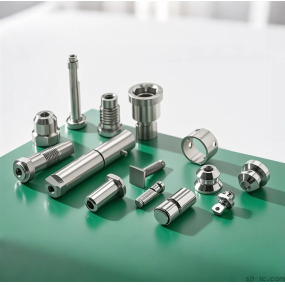
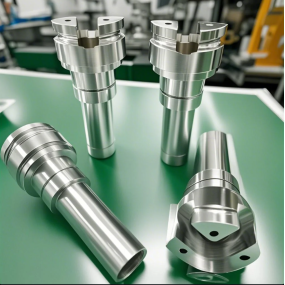
- Industrial machinery components
Because of their reliability, CNC copper parts are often used in systems where performance failure is not acceptable.
Common Challenges in Copper Machining
Although copper is useful, it is not easy to machine. Some common challenges include tool sticking, surface scratches, and heat deformation.
These problems can be solved by adjusting cutting parameters and using the correct tooling strategy. Proper chip evacuation and cooling are also very important to maintain stable machining conditions.
How EMAR Supports High-Precision Copper Machining
In the field of precision manufacturing, EMAR focuses on delivering stable and high-quality CNC copper machining solutions. With advanced CNC equipment and experienced engineering support, EMAR helps customers solve complex machining challenges.
From prototype development to mass production, EMAR emphasizes accuracy, consistency, and surface quality. The company also applies strict inspection systems to ensure every copper component meets technical requirements.
By combining technical expertise and practical production experience, EMAR supports industries that require reliable copper parts for electrical, thermal, and industrial applications.
Conclusion
CNC Copper Precision Machining plays an important role in modern manufacturing. Although copper is a difficult material to process, advanced CNC technology makes it possible to achieve high accuracy and stable production quality.
By understanding material behavior, using proper tooling, and applying strict quality control, manufacturers can produce high-performance copper parts for many industries. With continuous improvement and engineering expertise, companies like EMAR help ensure that copper machining meets the growing demands of global customers.
 English
 » »
» »
 Spanish
 Arabic
 French
 Portuguese
 Belarusian
 Japanese
 Russian
 Malay
Malay Icelandic
 Bulgarian
 Azerbaijani
 Estonian
 Irish
Irish Polish
 Persian
 Boolean
 Danish
 German
 Filipino
 Finnish
 Korean
 Dutch
Dutch Galician
 Catalan
 Czech
Czech Croatian
 Latin
Latin Latvian
 Romanian
 Maltese
 Macedonian
 Norwegian
 Swedish
 Serbian
 Slovak
 Slovenian
 Swahili
 Thai
Thai Turkish
 Welsh
Welsh Urdu
Urdu Ukrainian
 Greek
Greek Hungarian
 Italian
 Yiddish
 Indonesian
 Vietnamese
 Haitian Creole
 Spanish Basque