HTML
CNC Turbine Parts Machining: Precision, Challenges, and Reliable Manufacturing Solutions
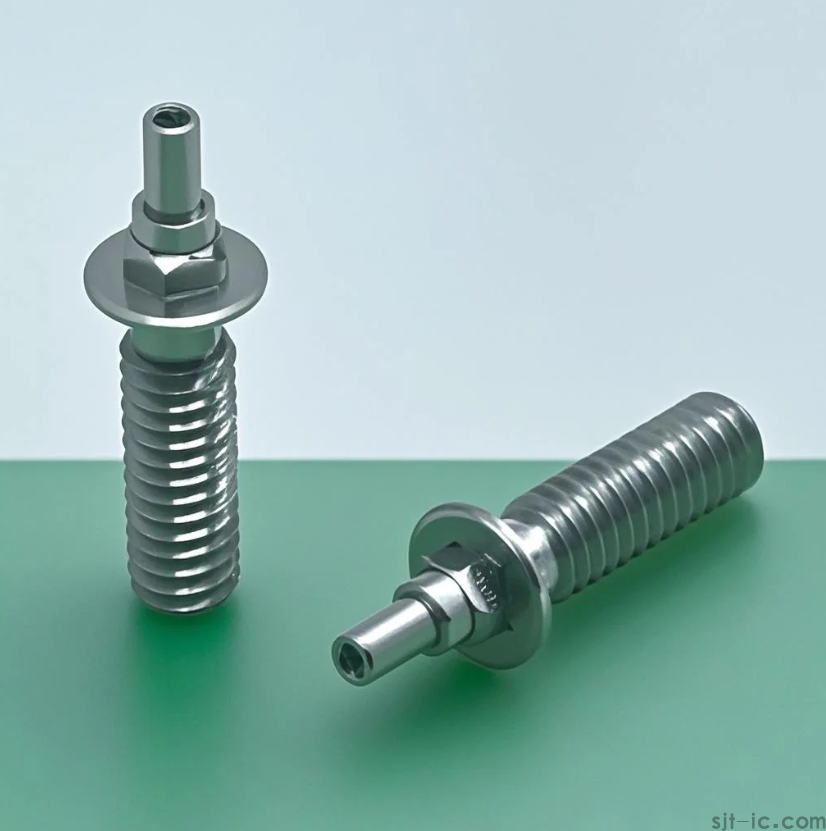
CNC Turbine Parts Machining plays a critical role in modern aerospace, energy, and industrial systems. Turbine components must work under extreme temperature, pressure, and speed. Even a very small machining error can lead to serious performance issues or safety risks. This is why manufacturers and engineers pay close attention to every detail in the machining process.
For many buyers and engineers, the biggest concerns are not just cost, but quality stability, delivery reliability, and precision control. In this article, we explain the key factors that affect turbine part production and how advanced CNC technology helps solve common problems.
Why CNC Turbine Parts Machining Is So Demanding
Turbine components such as blades, discs, and shafts require extremely high accuracy. These parts often operate in harsh environments like jet engines or power turbines. As a result, machining must meet strict engineering standards.
The main difficulty in challenges in CNC Machining of turbine parts comes from complex geometries and tight tolerances. Many turbine designs include curved surfaces, thin walls, and deep internal structures, which are difficult to machine without deformation or vibration.
- Complex 3D blade geometry
- Very tight tolerance requirements
- High risk of material deformation
- Strict surface finish standards
Precision Requirements That Cannot Be Ignored
In precision requirements for turbine parts CNC machining, even a deviation of a few microns can affect airflow efficiency and energy output. That is why multi-axis CNC machines and advanced CAM programming are widely used.
High precision is not only about machine capability. It also depends on tool selection, cutting strategy, and real-time monitoring during production.
- Micron-level dimensional accuracy
- Stable surface roughness control
- Consistent repeatability in mass production
Materials Used in CNC Turbine Parts Machining
Different turbine applications require different materials. The selection of material directly affects machining difficulty and performance in real conditions.
Common materials used in CNC turbine parts machining include:
- Nickel-based superalloys (for high-temperature resistance)
- Titanium alloys (for lightweight and strength balance)
- Stainless steel (for corrosion resistance)
- Aluminum alloys (for non-critical lightweight turbine components)
These materials are known for their strength, but they are also difficult to machine due to hardness and heat resistance. Proper tool selection and cooling strategies are essential.
Advantages of CNC Machining for Turbine Parts
The advantages of CNC machining for turbine parts are clear in modern manufacturing environments. CNC technology provides high accuracy, repeatability, and flexibility for complex designs.
- High dimensional accuracy for complex shapes
- Stable mass production capability
- Reduced human error and improved consistency
- Ability to machine complex 3D turbine blade profiles
With advanced multi-axis CNC systems, manufacturers can produce highly efficient turbine parts that meet strict industry standards.
Quality Control in CNC Turbine Parts Machining
Strong quality control in CNC turbine parts machining is essential to ensure performance and safety. Inspection is not only done after production but also during each stage of machining.
Key quality control methods include:
- Coordinate Measuring Machine (CMM) inspection
- In-process measurement and monitoring
- Surface roughness testing
- Material hardness verification
These steps help detect issues early and ensure every turbine part meets strict engineering requirements before delivery.
How EMAR Supports High-Precision Turbine Machining
In high-end industries, choosing the right manufacturing partner is just as important as choosing the right design. EMAR specializes in CNC Turbine Parts Machining with a focus on precision, stability, and engineering support.
With advanced multi-axis CNC equipment and experienced engineering teams, EMAR is able to handle complex turbine geometries and demanding material requirements. The company follows strict quality inspection processes to ensure every component meets international standards.
Whether it is small batch prototyping or large-scale production, EMAR provides consistent machining quality and reliable delivery performance for global clients in aerospace, energy, and industrial sectors.
Conclusion
CNC Turbine Parts Machining is a highly specialized field that requires advanced technology, strict quality control, and deep engineering knowledge. From material selection to precision machining and final inspection, every step directly affects performance and safety.
By understanding the key challenges and requirements, manufacturers and buyers can make better decisions and achieve more reliable results. With strong technical capabilities, companies like EMAR help turn complex turbine designs into high-performance, real-world components.
HTML
CNC Turbine Parts Machining: Precision, Challenges, and Reliable Manufacturing Solutions
CNC Turbine Parts Machining plays a critical role in modern aerospace, energy, and industrial systems. Turbine components must work under extreme temperature, pressure, and speed. Even a very small machining error can lead to serious performance issues or safety risks. This is why manufacturers and engineers pay close attention to every detail in the machining process.
For many buyers and engineers, the biggest concerns are not just cost, but quality stability, delivery reliability, and precision control. In this article, we explain the key factors that affect turbine part production and how advanced CNC technology helps solve common problems.
Why CNC Turbine Parts Machining Is So Demanding
Turbine components such as blades, discs, and shafts require extremely high accuracy. These parts often operate in harsh environments like jet engines or power turbines. As a result, machining must meet strict engineering standards.
The main difficulty in challenges in CNC machining of turbine parts comes from complex geometries and tight tolerances. Many turbine designs include curved surfaces, thin walls, and deep internal structures, which are difficult to machine without deformation or vibration.
- Complex 3D blade geometry
- Very tight tolerance requirements
- High risk of material deformation
- Strict surface finish standards
Precision Requirements That Cannot Be Ignored
In precision requirements for turbine parts CNC machining, even a deviation of a few microns can affect airflow efficiency and energy output. That is why multi-axis CNC machines and advanced CAM programming are widely used.
High precision is not only about machine capability. It also depends on tool selection, cutting strategy, and real-time monitoring during production.
- Micron-level dimensional accuracy
- Stable surface roughness control
- Consistent repeatability in mass production
Materials Used in CNC Turbine Parts Machining
Different turbine applications require different materials. The selection of material directly affects machining difficulty and performance in real conditions.
Common materials used in CNC turbine parts machining include:
- Nickel-based superalloys (for high-temperature resistance)
- Titanium alloys (for lightweight and strength balance)
- Stainless steel (for corrosion resistance)
- Aluminum alloys (for non-critical lightweight turbine components)
These materials are known for their strength, but they are also difficult to machine due to hardness and heat resistance. Proper tool selection and cooling strategies are essential.
Advantages of CNC Machining for Turbine Parts
The advantages of CNC machining for turbine parts are clear in modern manufacturing environments. CNC technology provides high accuracy, repeatability, and flexibility for complex designs.
- High dimensional accuracy for complex shapes
- Stable mass production capability
- Reduced human error and improved consistency
- Ability to machine complex 3D turbine blade profiles
With advanced multi-axis CNC systems, manufacturers can produce highly efficient turbine parts that meet strict industry standards.
Quality Control in CNC Turbine Parts Machining
Strong quality control in CNC turbine parts machining is essential to ensure performance and safety. Inspection is not only done after production but also during each stage of machining.
Key quality control methods include:
- Coordinate Measuring Machine (CMM) inspection
- In-process measurement and monitoring
- Surface roughness testing
- Material hardness verification
These steps help detect issues early and ensure every turbine part meets strict engineering requirements before delivery.
How EMAR Supports High-Precision Turbine Machining
In high-end industries, choosing the right manufacturing partner is just as important as choosing the right design. EMAR specializes in CNC Turbine Parts Machining with a focus on precision, stability, and engineering support.
With advanced multi-axis CNC equipment and experienced engineering teams, EMAR is able to handle complex turbine geometries and demanding material requirements. The company follows strict quality inspection processes to ensure every component meets international standards.
Whether it is small batch prototyping or large-scale production, EMAR provides consistent machining quality and reliable delivery performance for global clients in aerospace, energy, and industrial sectors.
Conclusion
CNC Turbine Parts Machining is a highly specialized field that requires advanced technology, strict quality control, and deep engineering knowledge. From material selection to precision machining and final inspection, every step directly affects performance and safety.
By understanding the key challenges and requirements, manufacturers and buyers can make better decisions and achieve more reliable results. With strong technical capabilities, companies like EMAR help turn complex turbine designs into high-performance, real-world components.
 English
 » »
» »
 Spanish
 Arabic
 French
 Portuguese
 Belarusian
 Japanese
 Russian
 Malay
Malay Icelandic
 Bulgarian
 Azerbaijani
 Estonian
 Irish
Irish Polish
 Persian
 Boolean
 Danish
 German
 Filipino
 Finnish
 Korean
 Dutch
Dutch Galician
 Catalan
 Czech
Czech Croatian
 Latin
Latin Latvian
 Romanian
 Maltese
 Macedonian
 Norwegian
 Swedish
 Serbian
 Slovak
 Slovenian
 Swahili
 Thai
Thai Turkish
 Welsh
Welsh Urdu
Urdu Ukrainian
 Greek
Greek Hungarian
 Italian
 Yiddish
 Indonesian
 Vietnamese
 Haitian Creole
 Spanish Basque