HTML
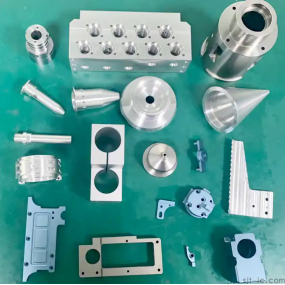
Stainless Steel CNC Machining Manufacturing: Precision, Strength, and Reliable Production
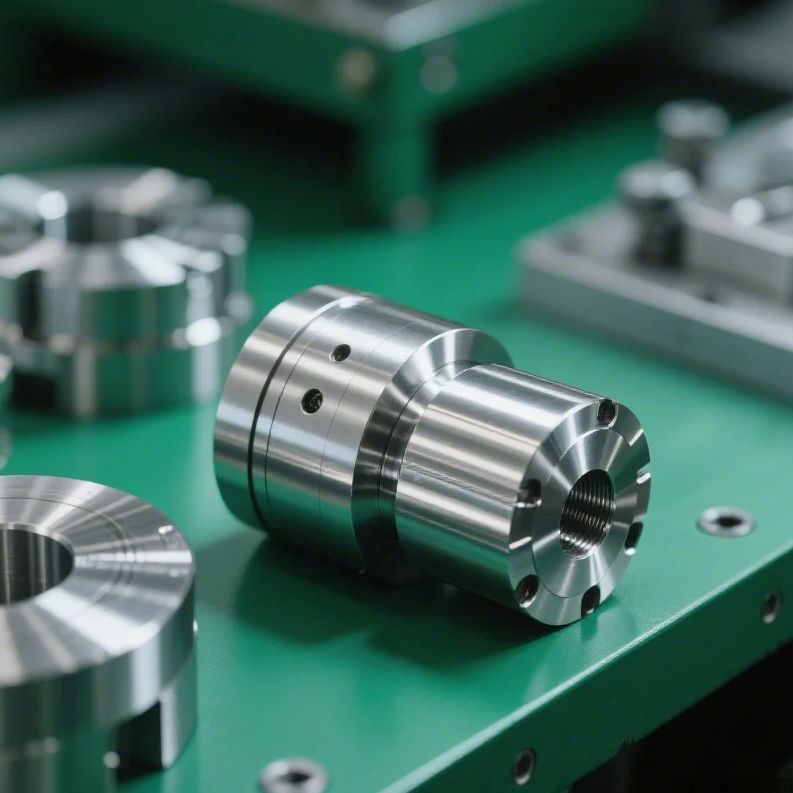
Stainless Steel CNC Machining Manufacturing plays a key role in modern industries where high strength, corrosion resistance, and precise dimensions are required. From medical equipment to automotive components and industrial machines, stainless steel parts must meet strict performance standards. CNC machining makes this possible with consistent accuracy and repeatable quality.
Many engineers and buyers face challenges such as high machining difficulty, tool wear, cost control, and quality stability when working with stainless steel. This article explains the process in simple English and helps you understand how to improve results and reduce production risks.
Why Stainless Steel Is Difficult but Valuable
Stainless steel is strong and resistant to rust, which makes it ideal for harsh environments. However, these same properties also make it harder to machine compared to aluminum or mild steel. It generates more heat, wears tools faster, and requires stable cutting conditions.
That is why professional Stainless Steel CNC Machining Manufacturing is important. It ensures correct cutting parameters, stable production, and high-quality surface finishing.
Advantages of CNC Machining for Stainless Steel
The advantages of CNC machining for stainless steel are significant for industries that need precision and durability.
- High precision: CNC machines can control tolerances within microns.
- Consistency: Every part is identical, even in large production batches.
- Complex shapes: CNC allows detailed and complex geometries that are difficult to achieve manually.
- Reduced human error: Automation ensures stable quality across production runs.
- Better material usage: Optimized programming reduces waste.
These benefits make CNC machining the preferred method for producing stainless steel components in critical applications.
Process Steps in Stainless Steel CNC Machining
The process steps in stainless steel CNC machining are carefully designed to ensure accuracy and efficiency.
- Design and CAD modeling: Engineers create a 3D model of the part.
- CAM programming: Tool paths and cutting strategies are generated.
- Material selection: Choosing the correct stainless steel grade (such as 304 or 316).
- Machine setup: Fixtures and tools are installed and calibrated.
- Rough machining: Removing excess material quickly.
- Semi-finishing and finishing: Improving accuracy and surface quality.
- Inspection: Checking dimensions and tolerances.
Each step must be carefully controlled to avoid heat deformation, tool damage, and dimensional errors.
Tooling Selection for Stainless Steel CNC Machining
Proper tooling selection for stainless steel CNC machining is critical because stainless steel is abrasive and hard on cutting tools.
- Carbide tools: Commonly used due to high hardness and heat resistance.
- Coated tools: TiAlN or similar coatings improve tool life.
- Sharp cutting edges: Reduce cutting force and heat generation.
- Proper tool geometry: Helps in chip removal and surface finish quality.
Using the right tools not only improves efficiency but also reduces production cost by extending tool life and minimizing machine downtime.
Quality Control in Stainless Steel CNC Machining
Quality control in stainless steel CNC machining is essential to ensure that each part meets strict industrial standards.
Common quality control methods include:
- Dimensional inspection using calipers and CMM machines
- Surface roughness testing
- Visual inspection for defects or burrs
- Material certification checks
In high-end industries such as aerospace, medical, and automotive, even small errors can lead to failure. Therefore, strict inspection systems are necessary throughout the manufacturing process.
Cost-Effective Strategies in Stainless Steel CNC Machining
The cost-effective strategies in stainless steel CNC machining help manufacturers reduce expenses while maintaining quality.
- Optimize tool paths: Reduce unnecessary movement and machining time.
- Choose suitable grades: Select stainless steel types that match performance needs.
- Batch production: Increase efficiency by producing multiple parts together.
- Tool life management: replace tools at the right time to avoid damage.
- Proper cooling: Reduce heat to extend tool and machine life.
These strategies help businesses balance performance and cost, especially in large-scale production.
Common User Pain Points and Practical Solutions
Many customers searching for stainless steel machining services face similar problems:
- High production cost
- Long delivery times
- Unstable quality between batches
- Difficulty machining complex designs
Professional CNC manufacturers solve these problems through advanced equipment, experienced engineers, and strict process control. Choosing the right partner is often more important than the design itself.
Why Choosing the Right Manufacturing Partner Matters
In Stainless Steel CNC Machining Manufacturing, the supplier you choose directly affects product quality, cost, and delivery time. A skilled manufacturer ensures stable production, fewer defects, and better communication throughout the project.
Companies like EMAR provide professional stainless steel CNC machining services with modern equipment and experienced technical teams. They focus on precision manufacturing, process optimization, and strict quality inspection to support industries such as automotive, medical devices, electronics, and industrial machinery.
Conclusion
Stainless steel machining is challenging, but with the right CNC technology and engineering support, it becomes highly efficient and reliable. Understanding the advantages of CNC machining for stainless steel, following correct process steps in stainless steel CNC machining, using proper tooling selection for stainless steel CNC machining, maintaining strict quality control in stainless steel CNC machining, and applying cost-effective strategies in stainless steel CNC machining can significantly improve production results.
Whether you are developing new products or optimizing existing designs, working with an experienced partner like EMAR can help you achieve better precision, lower costs, and more stable manufacturing performance.
 English
 » »
» »
 Spanish
 Arabic
 French
 Portuguese
 Belarusian
 Japanese
 Russian
 Malay
Malay Icelandic
 Bulgarian
 Azerbaijani
 Estonian
 Irish
Irish Polish
 Persian
 Boolean
 Danish
 German
 Filipino
 Finnish
 Korean
 Dutch
Dutch Galician
 Catalan
 Czech
Czech Croatian
 Latin
Latin Latvian
 Romanian
 Maltese
 Macedonian
 Norwegian
 Swedish
 Serbian
 Slovak
 Slovenian
 Swahili
 Thai
Thai Turkish
 Welsh
Welsh Urdu
Urdu Ukrainian
 Greek
Greek Hungarian
 Italian
 Yiddish
 Indonesian
 Vietnamese
 Haitian Creole
 Spanish Basque