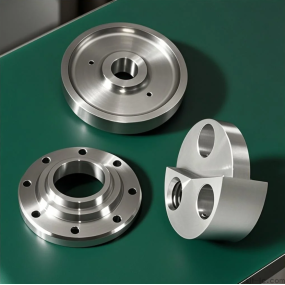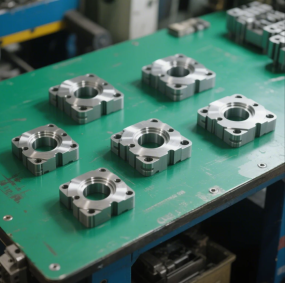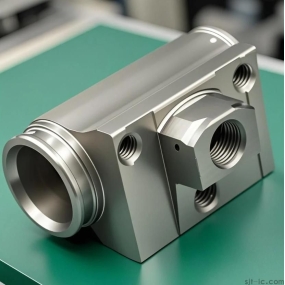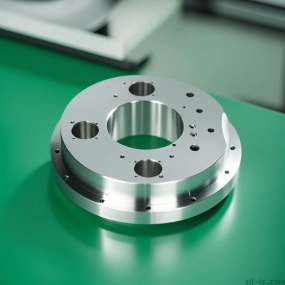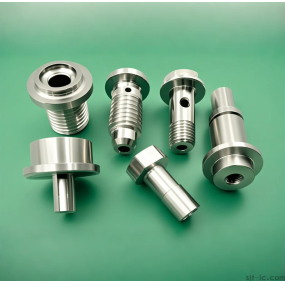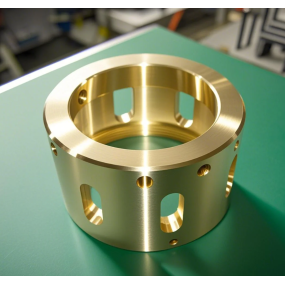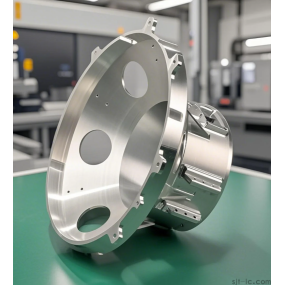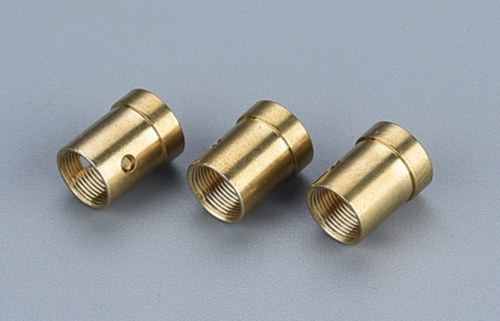
CNC Machining of Copper Threaded Sleeves is an important manufacturing process used to produce accurate copper parts with internal or external threads. These threaded sleeves are widely used in electrical equipment, industrial machines, automotive systems, communication devices, and heat management applications.
Copper threaded sleeves must provide a reliable connection, good electrical performance, and long service life. To achieve these goals, manufacturers need to carefully consider copper material properties, product design, machining methods, precision control, and inspection procedures.
Copper is a popular material for threaded sleeves because it has several useful properties. Understanding the material properties in CNC machining of copper threaded sleeves helps engineers choose the right machining method and create better products.
However, copper is also softer than steel and can produce chips that stick to cutting tools during machining. Professional CNC manufacturers need proper cutting tools, speeds, and cooling methods to achieve high-quality results.
Good design is the foundation of a successful threaded sleeve. The design considerations in CNC machining of copper threaded sleeves directly affect the part's strength, assembly performance, and production cost.
The thread type must match the application requirements. Common choices include metric threads, inch threads, fine threads, and special custom threads.
For example, a copper threaded sleeve used in electrical equipment may require a precise thread design to ensure stable connection and easy installation.
The inner diameter determines how the sleeve connects with another component, while the outer diameter controls the fit inside the assembly. Both dimensions must be carefully designed to prevent loose connections or difficult installation.
The length of the sleeve affects connection strength, while wall thickness affects durability. A very thin wall may reduce strength, while an overly thick wall can increase weight and material costs.
Engineers usually balance strength, weight, machining difficulty, and application requirements when selecting the correct dimensions.
The machining techniques for copper threaded sleeves include several CNC operations. Each step is carefully controlled to produce accurate dimensions and reliable threads.
CNC turning is commonly used to create the round shape of copper threaded sleeves. During turning, the copper workpiece rotates while cutting tools remove material to achieve the required outer diameter and length.
This process creates a smooth cylindrical surface and prepares the part for later threading operations.
Thread machining is one of the most important steps in producing copper threaded sleeves. CNC machines use special threading tools to cut accurate thread profiles.
The machine must control thread pitch, depth, and angle carefully. Incorrect threading can cause poor fitting, loose connections, or assembly problems.
If the sleeve requires a through-hole or internal passage, CNC drilling is performed. The drilling process creates accurate openings while maintaining the required alignment.
After machining, manufacturers may apply finishing processes such as polishing, cleaning, or coating. These treatments improve appearance, corrosion resistance, and surface performance.
The precision requirements in CNC machining of copper threaded sleeves are important because threaded parts must fit correctly with other components.
For example, a copper threaded sleeve used in a precision electrical device may require very small dimensional differences because even a small error can affect the final connection.
The quality control in CNC machining of copper threaded sleeves ensures every finished part meets customer requirements. Professional manufacturers use multiple inspection methods during and after production.
A complete quality control system reduces production errors and helps customers receive consistent copper threaded sleeves.
Copper threaded sleeves are used in many industries because of their electrical and thermal advantages.
For example, in a power connection system, a copper threaded sleeve can provide both mechanical fastening and efficient electrical conductivity.
Selecting the right manufacturer is important for achieving high-quality copper threaded sleeves. A reliable supplier should have advanced CNC equipment, experienced engineers, strict inspection systems, and the ability to handle custom requirements.
EMAR provides professional CNC machining services for copper threaded sleeves. With experience in precision metal machining, EMAR focuses on accurate thread production, stable quality control, and efficient manufacturing solutions. The company helps customers balance product performance and production cost by offering customized machining support and competitive pricing.
From prototype production to larger batch manufacturing, EMAR works to provide reliable copper components that meet different industry needs. Customers can benefit from professional engineering advice, careful inspection processes, and consistent product quality.
CNC Machining of Copper Threaded Sleeves combines copper material advantages with advanced CNC manufacturing technology to create reliable precision components. By understanding copper properties, proper design methods, suitable machining techniques, precision requirements, and quality inspection processes, businesses can achieve better product performance.
Working with an experienced CNC machining supplier like EMAR can help customers produce high-quality copper threaded sleeves with accurate threads, dependable performance, and competitive manufacturing costs.