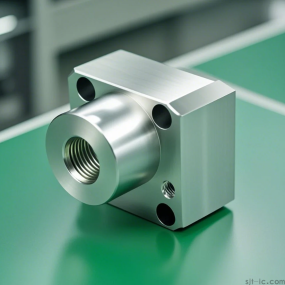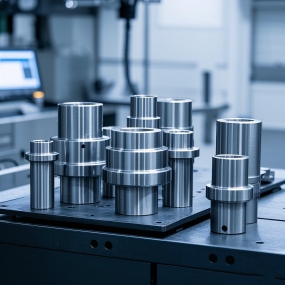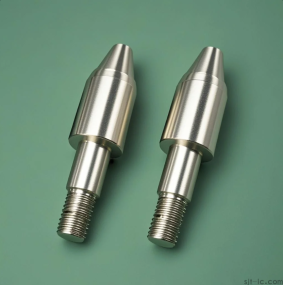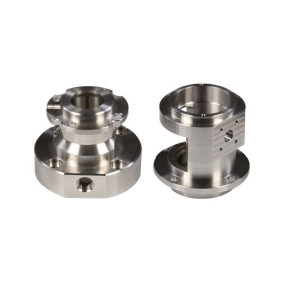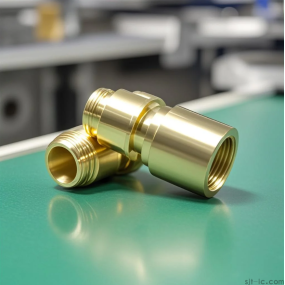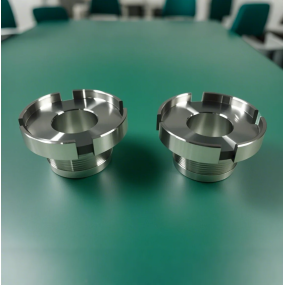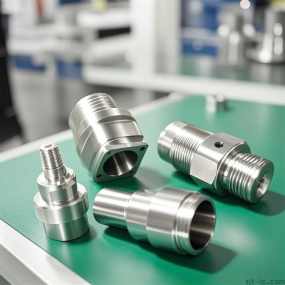

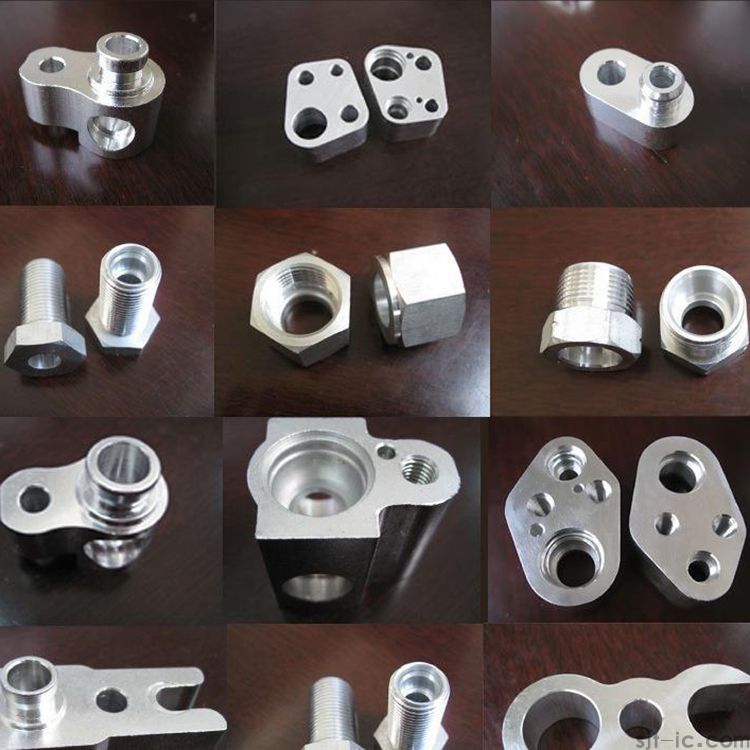
In modern manufacturing, Batch Processing of CNC Metal Parts has become a key method for companies that need stable quality, fast delivery, and lower production costs. Whether you are producing automotive components, electronic housings, or industrial fittings, batch production helps you handle large orders with consistent results.
However, many factories still face common problems such as unstable precision between batches, tool wear issues, and long setup times. Understanding the correct approach can significantly improve output and reduce waste.
Batch processing means machining a large number of identical or similar metal parts using CNC equipment under the same program and setup conditions. Unlike single-piece production, this method focuses on repeatability and efficiency.
The key to success lies in controlling every detail—from programming and tooling to inspection and maintenance—so that every part meets the same standard.
A stable production flow is essential for reducing errors and improving productivity. The steps in batch CNC metal parts processing usually include the following:
Each step must be carefully controlled to avoid variations between early and later parts in the batch.
Using batch production brings several practical benefits for manufacturers and customers. The advantages of batch processing for CNC metal parts include:
For industries requiring large quantities of precision components, batch processing is often the most practical solution.
One of the biggest challenges in precision control in batch CNC metal parts production is maintaining consistency over long machining cycles. Small variations in temperature, tool wear, or machine vibration can affect final accuracy.
To solve this, experienced manufacturers use real-time monitoring, regular calibration, and statistical process control (SPC). These methods help ensure that every part stays within tolerance limits, even in large-scale production.
Tool selection plays a critical role in efficiency and surface quality. Proper tooling considerations for batch CNC metal parts machining include:
Good tooling strategy not only improves precision but also reduces unexpected downtime during batch production.
Reliable quality assurance in batch processing of CNC metal parts is essential for customer satisfaction. Instead of inspecting only final products, professional factories apply multi-stage inspection systems.
This layered approach ensures that defects are detected early, reducing waste and rework costs.
In the field of precision machining, :contentReference[oaicite:0]{index=0} has developed strong expertise in Batch Processing of CNC Metal Parts. With advanced CNC equipment and strict process control systems, EMAR focuses on delivering stable quality even in large-scale production environments.
By combining experienced engineering teams with modern inspection systems, EMAR helps customers achieve better consistency, faster delivery, and lower overall production costs. This makes it a reliable partner for industries that require high-volume precision metal components.
Batch CNC Machining is not just about producing more parts—it is about producing consistent, high-quality parts efficiently. When processes are well planned and controlled, manufacturers can significantly improve productivity while reducing risks.
With proper attention to process steps, tooling, precision control, and quality assurance, Batch Processing of CNC Metal Parts becomes a powerful solution for modern manufacturing needs.