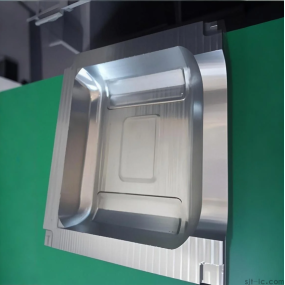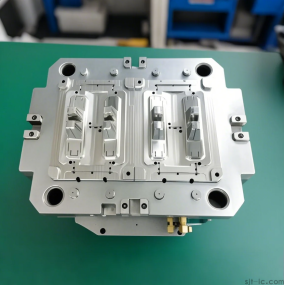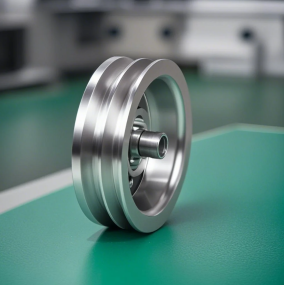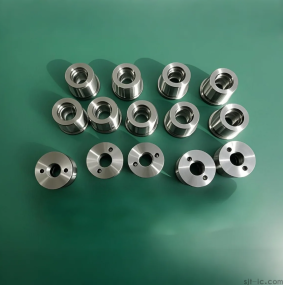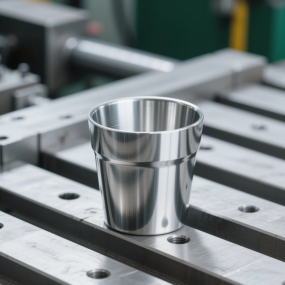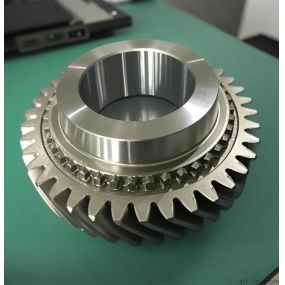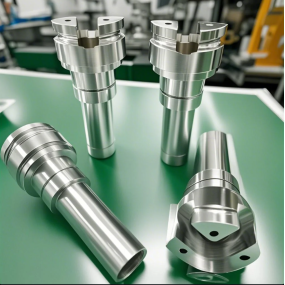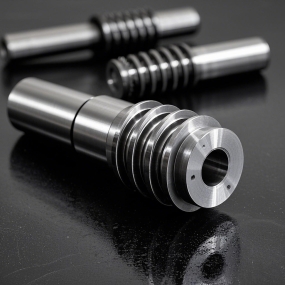

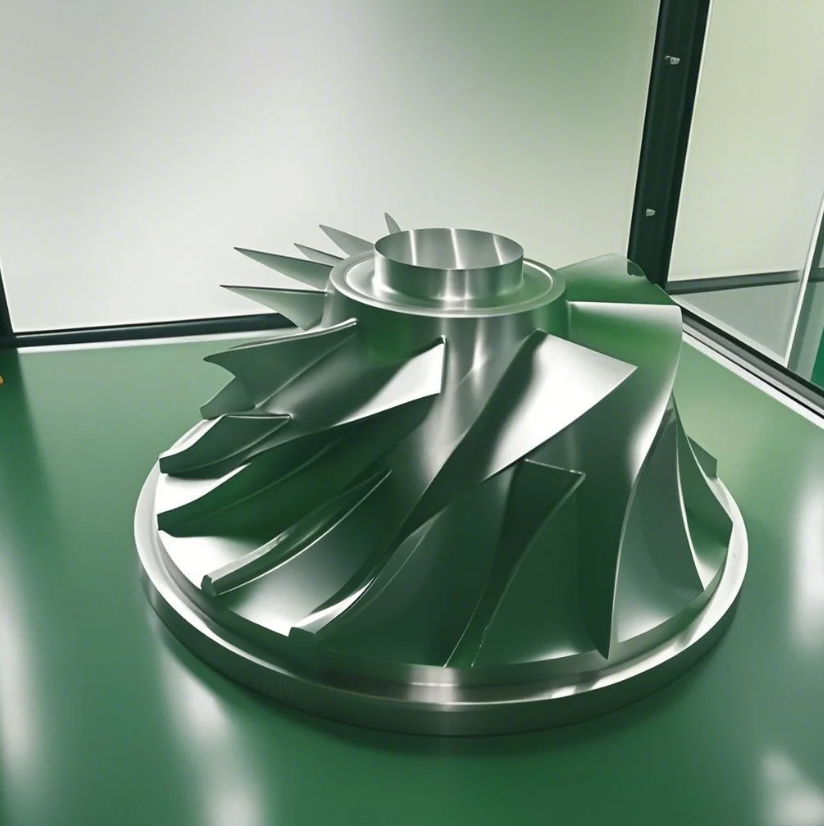
CNC Automotive Parts Machining plays an important role in modern vehicle manufacturing. Automotive companies need parts that are accurate, strong, reliable, and able to work under difficult conditions. CNC Machining helps manufacturers produce complex automotive components with high precision and consistent quality.
From engine parts and transmission components to braking system parts and lightweight vehicle structures, CNC machining provides the accuracy required by the automotive industry. However, many businesses still have concerns about machining costs, material choices, production accuracy, and meeting strict automotive standards. Understanding the complete machining process helps companies make better decisions and choose the right manufacturing partner.
Automotive parts must meet very strict requirements because even a small error can affect vehicle safety, performance, and service life. CNC machines use computer-controlled programs to remove material with extremely high accuracy. This allows manufacturers to create identical parts repeatedly, which is essential for large-scale automotive production.
The main advantages of CNC Automotive Parts Machining include:
Professional CNC manufacturers such as EMAR use advanced machining equipment, experienced engineers, and strict inspection systems to support automotive projects that require reliable performance and stable quality.
Good design is the first step in successful automotive machining. The design considerations for CNC-machined automotive parts must focus not only on the shape of the component but also on its function, working environment, and manufacturing requirements.
Different vehicle systems have different performance requirements:
The design should match the part's purpose. A component used in a high-load area requires stronger materials and more careful structural design than a low-stress decorative part.
Automotive parts often work in challenging environments. Engineers need to consider:
A proper design reduces the risk of failure and improves vehicle reliability.
Modern vehicles require lighter components to improve fuel efficiency and electric vehicle range. However, reducing weight cannot reduce safety or durability.
Engineers should optimize:
The material selection for automotive part CNC machining directly affects performance, cost, and service life. Different automotive applications require different material properties.
Steel is one of the most widely used materials in automotive manufacturing because of its high strength and durability.
Steel is suitable for parts that experience heavy loads and continuous mechanical stress.
Aluminum is popular because it is lightweight and has good thermal conductivity.
Using aluminum helps reduce vehicle weight while maintaining good performance.
Titanium provides excellent strength while remaining lightweight. It also performs well in high-temperature environments.
Although titanium is more expensive and harder to machine, it is valuable when maximum performance is required.
CNC automotive manufacturing uses several machining processes. Each operation is selected based on the part design, material, and required accuracy.
CNC turning rotates the workpiece while a cutting tool removes material. It is commonly used for round automotive components such as shafts, pins, and bushings.
Proper cutting speed, feed rate, and depth of cut help achieve accurate dimensions and smooth surfaces.
CNC milling uses rotating cutting tools to create complex shapes, slots, holes, and curved surfaces. It is widely used for engine housings, brackets, and transmission parts.
Choosing the correct tool material and cutting parameters improves machining efficiency and extends tool life.
Drilling creates accurate holes for bolts, assembly points, and fluid channels. Automotive parts often require multiple holes with precise positions to ensure proper assembly.
Grinding provides very fine surface finishes and high dimensional accuracy. It is often used for precision shafts, gears, and components requiring low friction.
During CNC Automotive Parts Machining, cutting parameters must be carefully adjusted:
Experienced manufacturers select optimized parameters based on material type, tool selection, and part requirements to improve accuracy and reduce production costs.
Handling tolerances in automotive part CNC machining is one of the biggest challenges. Automotive components often require extremely accurate dimensions because they must fit together with other systems.
Manufacturers solve tolerance problems through:
A smooth surface reduces friction and improves the service life of moving components. Poor surface quality can cause increased wear, noise, and reduced performance.
Proper tool selection, cutting parameters, and finishing processes help achieve the required surface condition.
Machining creates heat, especially when cutting hard materials. Excessive heat can change dimensions and affect accuracy.
Manufacturers control heat through:
The post-machining processes for CNC-machined automotive parts improve strength, appearance, and long-term performance.
Heat treatment changes the internal structure of materials to improve mechanical properties.
Heat treatment is commonly applied to steel automotive parts that experience high stress.
Surface treatments protect parts from corrosion and wear.
Common coatings include protective finishes for parts exposed to harsh environments.
Quality control in CNC-machined automotive parts ensures every component meets design requirements and industry expectations.
Important inspection methods include:
A reliable CNC machining supplier should have a complete quality management process from material inspection to final product testing.
Each CNC-machined component contributes to better vehicle performance, safety, and reliability.
Selecting the right manufacturing partner is important for automotive projects. A professional supplier should have advanced CNC machines, experienced engineers, strong quality control systems, and the ability to handle different materials and complex designs.
EMAR provides CNC machining solutions for automotive parts, supporting customers with precision manufacturing, material expertise, and strict quality management. With experience in producing complex components, EMAR helps automotive companies achieve reliable parts that meet performance and production requirements.
Whether developing prototypes or producing large quantities, working with an experienced CNC machining company can reduce risks, control costs, and improve the final quality of automotive components.