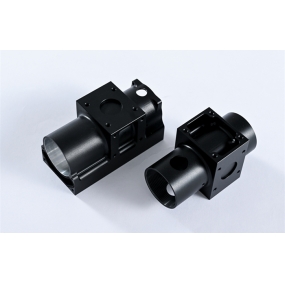
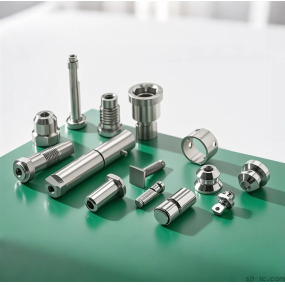
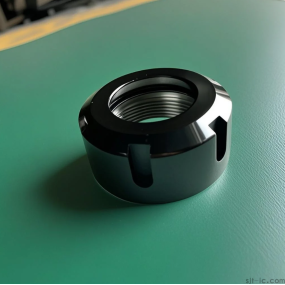
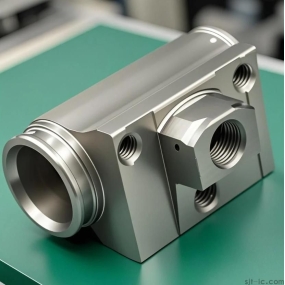
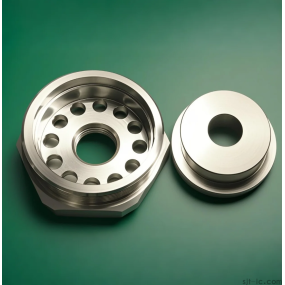
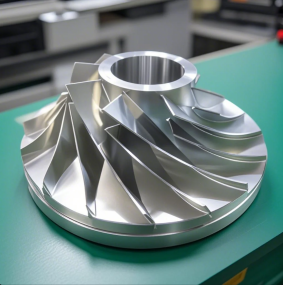
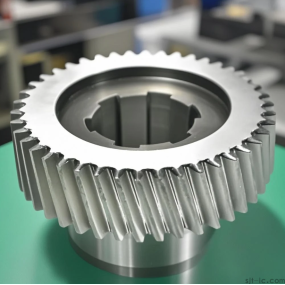
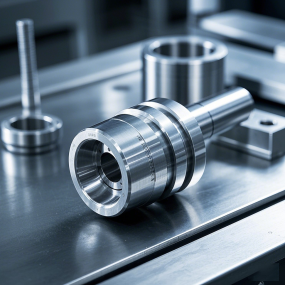
Modern cleaning equipment is used in many industries such as healthcare, food production, electronics, and industrial manufacturing. These machines must work reliably, resist corrosion, and maintain stable performance under water, chemicals, and pressure. This is why CNC Machining Cleaning Equipment Components plays a key role in building high-quality cleaning systems.
Many users face problems like unstable quality, short service life, leakage issues, and poor fitting between parts. These problems often come from low-precision manufacturing methods. CNC machining solves these issues by offering high accuracy, repeatability, and material flexibility.
Cleaning equipment works in tough environments—high humidity, detergents, acids, and continuous mechanical movement. Traditional manufacturing methods often cannot guarantee consistent precision.
This is where advantages of CNC machining for cleaning equipment components become clear. CNC machines use computer-controlled tools to produce highly accurate parts with minimal error, ensuring every component fits perfectly and performs reliably.
Different cleaning systems require different components, but many critical parts rely on CNC technology. Understanding common cleaning equipment components CNC - machined helps manufacturers choose the right production method.
These parts must maintain tight tolerances to ensure smooth fluid flow and reliable sealing performance.
Cleaning systems often deal with high-pressure water or chemical liquids. Even a small dimensional error can lead to leakage or performance loss. That is why precision requirements for CNC - machined cleaning equipment components are very strict.
Typical precision needs include:
Meeting these requirements ensures stable performance and reduces maintenance costs for end users.
The production of cleaning equipment parts involves several careful steps. Each stage affects the final quality and durability.
The processes involved in CNC machining cleaning equipment components typically include:
Each step must be controlled carefully to ensure performance stability in real working environments.
Reliable cleaning equipment depends heavily on strict inspection standards. Quality control in CNC machining of cleaning equipment components is essential to avoid defects and ensure long-term performance.
Key quality control methods include:
With strict inspection, manufacturers can ensure every part meets industrial standards before assembly.
Many manufacturers face difficulties such as complex geometries, high sealing requirements, and material wear resistance. These challenges require advanced machining skills and stable production systems.
Inconsistent machining accuracy can lead to system failure, increased maintenance costs, and reduced efficiency. Therefore, choosing a reliable CNC partner is very important.
EMAR provides professional CNC machining services focused on precision industrial components, including cleaning equipment parts. With advanced CNC machines and experienced engineers, EMAR helps customers achieve stable quality and efficient production.
From prototype development to mass production, EMAR ensures that every component meets strict industrial requirements. The company focuses on accuracy, durability, and consistent performance for demanding applications.
By combining technical expertise and strict quality control, EMAR supports manufacturers in reducing production risks and improving overall equipment reliability.
CNC Machining Cleaning Equipment Components is essential for building reliable and efficient cleaning systems used across many industries. With high precision requirements, strict quality control, and advanced machining processes, CNC technology ensures stable performance and long service life.
Choosing an experienced manufacturer like EMAR can help businesses reduce risks, improve product quality, and achieve better long-term performance in cleaning equipment production.