CNC Brass Machining is a widely used manufacturing process for producing accurate brass parts in industries such as electronics, automotive, medical equipment, plumbing, and industrial machinery. Brass is popular because it offers good machinability, corrosion resistance, electrical conductivity, and an attractive surface finish.
However, choosing the right machining method, tools, quality inspection process, and supplier can be challenging. Many buyers want to know how brass behaves during machining, how to control part accuracy, and how to reduce production costs without lowering quality. This guide explains the key points you need to understand before starting a CNC brass machining project.
CNC Brass Machining uses computer-controlled machines to remove material from brass blocks, bars, or custom blanks to create precise components. The CNC system controls cutting tools according to a digital CAD drawing, allowing manufacturers to produce complex shapes with high repeatability.
Compared with manual machining, CNC Machining provides better accuracy, faster production, and more stable quality. It is suitable for both prototype development and large-volume manufacturing.
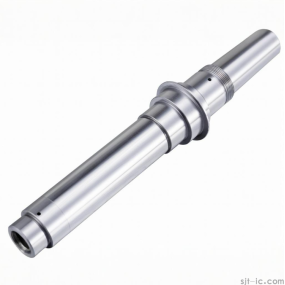
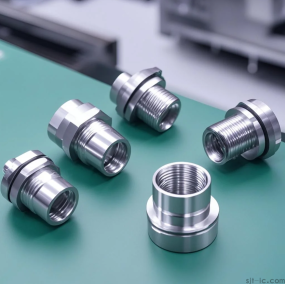
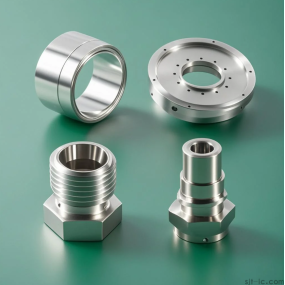
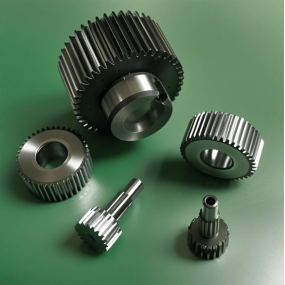
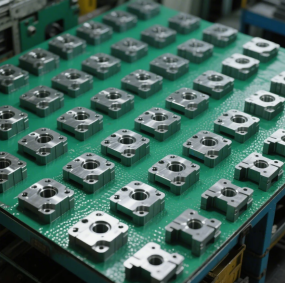
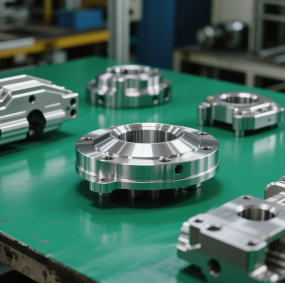
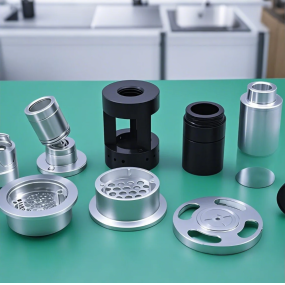
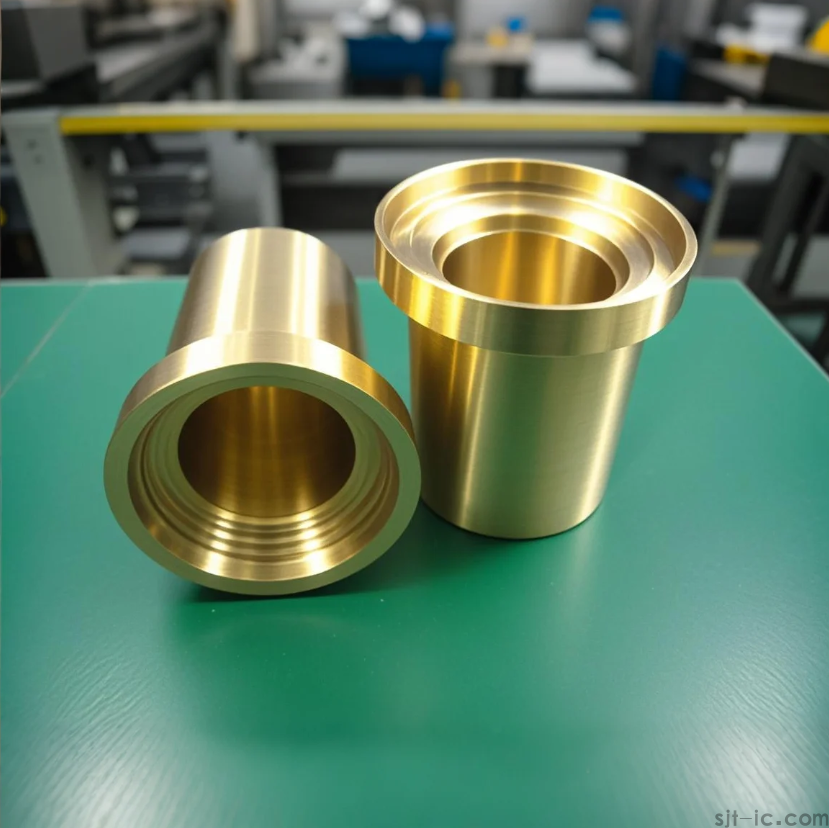
Common CNC brass machined parts include:
Experienced manufacturers such as EMAR provide CNC brass machining services with professional equipment, engineering support, and quality management systems to help customers produce reliable custom brass components.
Understanding the steps in CNC brass machining helps customers prepare better designs and avoid unnecessary production problems. Although the exact process depends on part requirements, most projects follow these basic stages:
The manufacturer checks the CAD drawings, dimensions, tolerances, surface requirements, and production challenges before machining begins.
The correct brass grade is selected according to strength, corrosion resistance, electrical performance, and machining needs.
Engineers create machining instructions that control tool movement, cutting speed, and production operations.
CNC turning, milling, drilling, threading, or other processes are used to shape the brass material into the required component.
The finished parts may receive polishing, plating, deburring, or other treatments before final quality checks.
A reliable CNC machining partner will communicate throughout the process, helping customers solve design issues before they become expensive production problems.
The brass properties for machining make it one of the easiest metals to process with CNC equipment. Brass is an alloy mainly made from copper and zinc, and different compositions provide different performance advantages.
Brass produces small, manageable chips during cutting, which helps improve machining efficiency and tool life.
Brass parts can perform well in environments where moisture and chemical exposure are concerns.
Many electronic and electrical components use brass because it can transfer electricity effectively.
Brass can achieve a smooth and attractive finish, making it suitable for visible components.
Brass maintains good accuracy during machining, which is important for precision parts.
However, different brass grades have different machining behaviors. The selected material should match the application requirements, including strength, wear resistance, and environmental conditions.
Choosing the correct tooling for CNC brass machining directly affects machining speed, surface quality, and production cost. Although brass is easy to machine compared with many metals, incorrect tooling can still cause poor finishes or inaccurate dimensions.
Carbide tools are commonly used because they provide excellent wear resistance and allow stable high-speed machining.
Proper cutting angles help reduce cutting force and improve chip removal.
Optimized machining parameters prevent excessive tool wear and maintain consistent quality.
Regular tool inspection and replacement help avoid defects caused by worn tools.
Professional CNC suppliers use machining experience and testing methods to select the best tooling setup for each brass part. EMAR combines engineering knowledge with modern CNC equipment to support stable and efficient brass machining production.
Customers often worry about whether CNC brass parts will meet strict size and performance requirements. Effective quality control in CNC brass machining is essential for preventing defects and ensuring every part meets specifications.
A professional quality control process usually includes:
Checking brass material grades and certificates to confirm they meet requirements.
Testing the first completed part to verify machining accuracy before mass production.
Using measuring equipment such as calipers, micrometers, and coordinate measuring machines (CMM) to check critical dimensions.
Checking surface finish, scratches, burrs, and other appearance requirements.
Confirming that finished parts meet drawings, tolerances, and customer expectations before shipment.
Manufacturers with strong quality systems can reduce production risks and help customers avoid delays caused by incorrect parts.
Understanding the cost factors in CNC brass machining helps buyers create realistic budgets and make better manufacturing decisions. The final price depends on several factors, not only the machining time.
Parts with complicated shapes, deep holes, or tight tolerances usually require more machining time.
The brass grade, quantity, and market price of raw materials affect overall costs.
Larger quantities often reduce the average cost because setup and programming expenses are spread across more parts.
Additional processes such as polishing, plating, or coating increase production costs.
Higher precision standards may require advanced inspection equipment and additional manufacturing steps.
To improve cost efficiency, customers can optimize part designs, choose suitable tolerances, order appropriate quantities, and work with experienced CNC manufacturers.
Selecting the right supplier is important for achieving consistent quality, competitive pricing, and on-time delivery. Before choosing a CNC brass machining company, consider the following points:
EMAR focuses on providing custom CNC machining solutions, including CNC brass machining services for customers who need accurate, reliable, and cost-effective metal parts. With machining experience, quality control processes, and engineering support, EMAR helps customers move from design ideas to finished components more efficiently.
CNC Brass Machining offers an efficient solution for producing high-precision brass components with excellent surface quality and reliable performance. By understanding the machining process, brass material characteristics, tooling requirements, quality inspection methods, and cost factors, customers can make better manufacturing decisions.
Working with an experienced CNC machining partner can reduce production risks and improve overall project success. Whether you need prototypes, small batches, or large-volume brass parts, choosing a supplier with strong technical capabilities and quality management is the key to achieving dependable results.