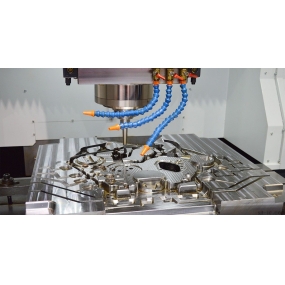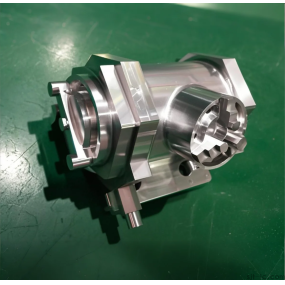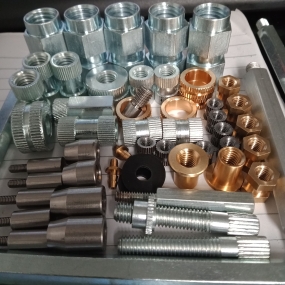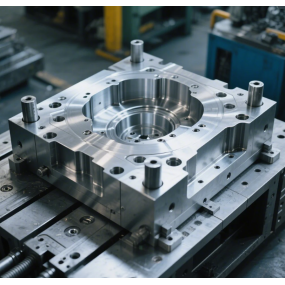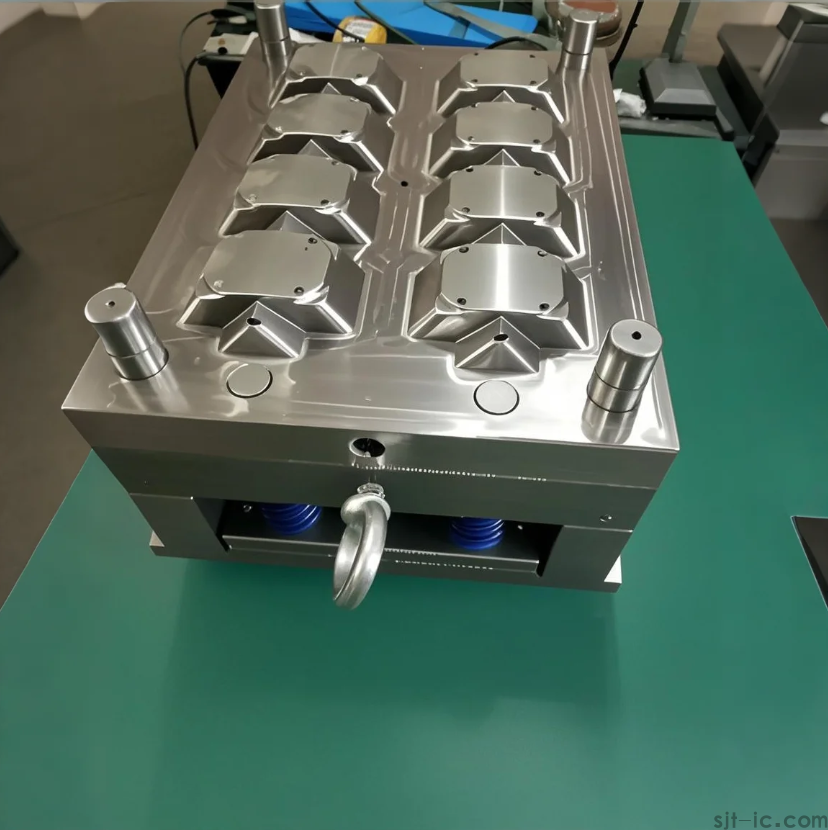
CNC Large Mold Machining is an advanced manufacturing process used to produce large and complex molds for industries such as automotive, aerospace, home appliances, medical equipment, and industrial products. Large molds often have strict requirements for accuracy, surface quality, durability, and long-term production performance. Even a small machining error can affect thousands of molded parts, causing higher costs and production delays.
Using CNC technology helps manufacturers solve many challenges in large mold production. CNC machines provide high precision across large dimensions, excellent repeatability, and the ability to create complicated mold geometries that are difficult to achieve with traditional machining methods. Companies with strong experience, such as EMAR, use advanced CNC equipment and professional machining processes to support customers who need reliable large mold manufacturing solutions.
Large molds are difficult to manufacture because their size increases the risk of deformation, vibration, and machining errors. CNC machining provides better control over these problems through automated tool movement and accurate digital programming.
For large molds, accuracy is not only about one measurement point. The entire mold surface must remain consistent from one area to another. CNC machining helps achieve this consistency through precise control of cutting paths, tool movement, and machining parameters.
The design stage has a major influence on the final quality, machining time, and cost of a large mold. Poor design decisions can create unnecessary machining difficulties or increase the risk of mold failure.
Design considerations for CNC large mold machining include several important factors:
Early communication between designers and CNC machining specialists can prevent many problems. Experienced manufacturers like EMAR can review mold designs and provide suggestions to improve manufacturability before production begins.
Choosing the correct mold material is essential because large molds often operate under high pressure, repeated cycles, and temperature changes. The wrong material can lead to early wear, cracks, corrosion, or expensive maintenance.
Material selection for large CNC-machined molds depends on durability, heat resistance, machining performance, and overall cost.
The best material choice depends on production quantity, operating temperature, product requirements, and budget. A professional CNC machining supplier can help select a material that balances performance and cost.
The process starts with 3D mold design using CAD software. Engineers analyze the product shape, mold structure, cooling layout, and machining requirements. After design approval, CAM software creates CNC programs that control tool paths and cutting operations.
Simulation is often used before machining to check possible tool collisions, excessive cutting loads, or inefficient movements. This step reduces mistakes during actual production.
Roughing operations in large mold CNC machining remove most of the excess material quickly. The goal is not final accuracy but efficient material removal while protecting the machine and tools.
Large CNC milling machines, gantry machining centers, and heavy-duty machining equipment are commonly used for this stage. Typical roughing operations involve:
Cutting parameters depend on material type, tool material, machine power, and mold size. For example, harder steels usually require lower cutting speeds and smaller depths of cut, while aluminum allows higher cutting speeds.
After roughing, semi-finishing removes remaining material and prepares the mold surface for final machining. Finishing operations focus on achieving accurate dimensions and smooth surfaces.
For large molds, maintaining a uniform surface finish is challenging because the cutting tool may operate for many hours. Careful programming and continuous monitoring are necessary to avoid differences between different mold areas.
Handling vibration in large mold CNC machining is one of the most important challenges. Large tools, heavy cutting forces, and long machining times can create vibration that damages surface quality and reduces tool life.
Manufacturers reduce vibration by:
Long machining operations generate heat. Large molds can experience thermal expansion, which may affect final dimensions. Temperature changes between different areas of the mold can create accuracy problems.
Solutions include:
A large mold surface must have consistent quality across the entire area. Differences in tool wear, machine movement, or cutting conditions can create uneven finishes.
Regular tool inspection, optimized machining programs, and experienced operators help maintain stable results throughout the machining process.
After CNC machining, additional treatments may be required to improve mold performance.
The correct post-processing method depends on the mold material and production environment.
Large molds require strict inspection because small errors can affect final products and production efficiency. Quality control in CNC large mold manufacturing includes multiple inspection steps throughout the production process.
Professional CNC mold manufacturers combine advanced inspection equipment with experienced technicians to ensure every large mold meets customer expectations. EMAR provides CNC large mold machining services with a focus on precision manufacturing, reliable process control, and customized solutions for different industries.
Producing a large mold requires more than a powerful CNC machine. It requires experience in design analysis, material selection, machining strategy, quality inspection, and problem solving.
A reliable CNC machining partner should have:
With professional knowledge and advanced manufacturing resources, EMAR helps customers produce high-quality large molds that support efficient and stable production. Choosing an experienced supplier can reduce machining risks, improve mold life, and deliver better long-term value.