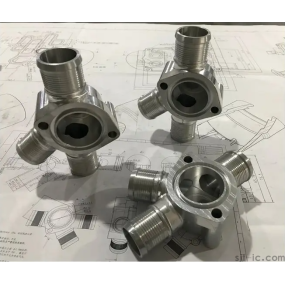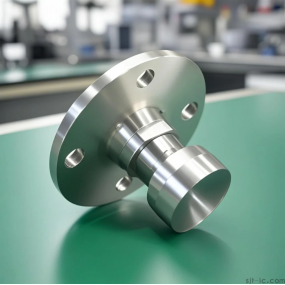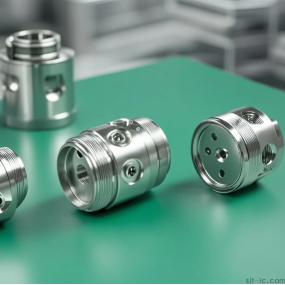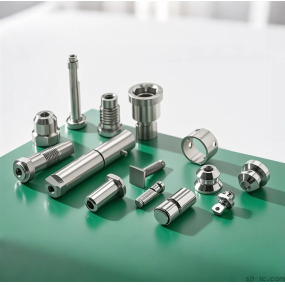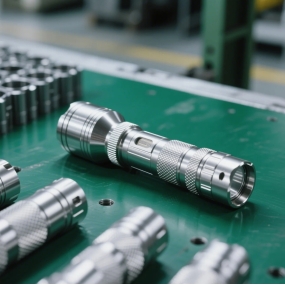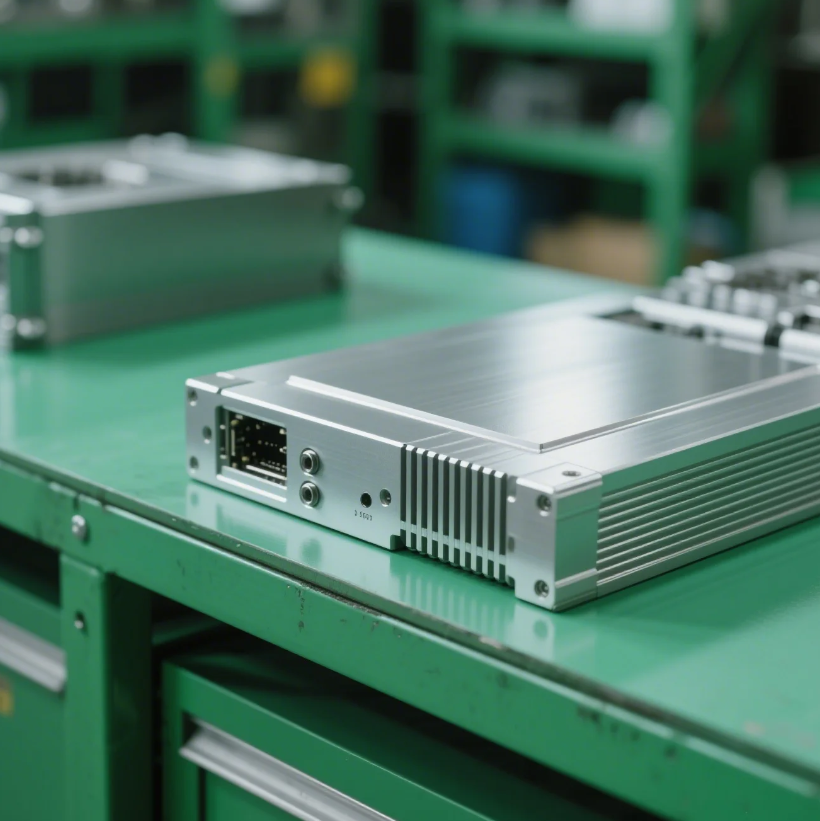
CNC Chassis Machining is a reliable manufacturing method for producing strong, accurate, and customized chassis structures for electronics, industrial equipment, automation systems, and other applications. Many companies face challenges when developing a chassis, including choosing the right material, achieving tight tolerances, controlling costs, and ensuring the final product meets functional requirements.
Unlike traditional manufacturing methods, CNC Machining can create complex chassis designs with high precision and repeatability. It allows manufacturers to produce lightweight structures, accurate mounting points, detailed cut-outs, and integrated features while maintaining consistent quality from prototype to mass production.
A chassis is not only a protective frame. It must support internal components, handle mechanical loads, provide proper heat dissipation, and fit with other system parts. CNC machining is well suited for these requirements because it removes material directly from a solid block or sheet material using computer-controlled tools.
The main advantages of CNC chassis machining include:
Professional CNC machining suppliers, such as EMAR, use advanced equipment, engineering experience, and strict inspection processes to provide customized chassis solutions for different industries.
Good chassis performance starts with a practical design. The design considerations for CNC-machined chassis should focus on the equipment being installed, working conditions, assembly requirements, and long-term maintenance.
The first design step is understanding what the chassis will contain. A chassis for electronic devices has different requirements from one used for heavy machinery.
Mounting holes, support brackets, and positioning features should be designed according to the exact dimensions of internal components. Incorrect support structures can cause vibration, misalignment, or premature component failure.
The working environment directly affects chassis design. Indoor equipment may focus more on appearance and easy assembly, while outdoor equipment requires stronger protection.
A well-designed chassis should make installation and maintenance easier. Designers should consider:
These details reduce assembly time and improve the service life of the equipment.
The material selection in CNC chassis machining directly affects strength, weight, durability, cost, and performance. Choosing the wrong material can increase manufacturing difficulty or reduce the reliability of the final product.
Aluminum is one of the most popular materials for CNC-machined chassis because it provides a good balance between strength and weight.
Aluminum chassis are commonly used for control boxes, electronic housings, communication equipment, and precision instruments.
Steel provides higher strength and rigidity compared with aluminum. It is suitable for applications where heavy loads, impact resistance, or structural stability are important.
However, steel is heavier and may require additional surface treatment to prevent corrosion.
Composite materials can provide special advantages when weight reduction and advanced performance are required.
The final material choice depends on the application requirements, production volume, budget, and operating environment.
The machining operations for CNC chassis involve several processes that create the required structure and features. Each operation requires suitable tools and optimized cutting conditions.
Milling is the primary operation used in chassis manufacturing. It creates flat surfaces, mounting points, pockets, slots, channels, and complex profiles.
Main purposes:
Suitable tools: Carbide end mills are commonly used because they provide good wear resistance and stable cutting performance.
Typical cutting parameters:
Turning is used when the chassis design includes cylindrical features, such as shafts, rotating connections, spacers, or threaded components.
Suitable tools: Carbide turning inserts are commonly selected for stable performance.
Typical cutting parameters:
Drilling creates holes for screws, fasteners, connectors, and assembly components.
Suitable tools: High-speed steel or carbide drills depending on material hardness and production requirements.
Recommended practices:
One of the biggest challenges in chassis manufacturing is maintaining accuracy after machining. Large thin-wall structures can experience deformation because of cutting forces, heat generation, and internal material stress.
Handling distortion in CNC chassis requires careful process planning.
Engineers should also consider machining sequence during the design stage. Finishing critical surfaces at the correct production stage helps achieve better dimensional stability.
After machining, additional processes improve appearance, durability, and assembly performance.
The correct finishing method depends on the material and application environment.
The quality control in CNC-machined chassis process ensures that the final product meets design specifications and performs reliably.
Manufacturers typically inspect:
A professional CNC machining partner should provide clear inspection reports and maintain consistent production standards. Companies like EMAR combine CNC manufacturing experience with quality management systems to help customers produce reliable chassis components from prototypes to production quantities.
Selecting a capable manufacturer is important for achieving the right balance between quality and cost. A reliable supplier should understand material behavior, machining technology, design optimization, and application requirements.
EMAR provides CNC chassis machining services with expertise in precision manufacturing, custom design support, and quality inspection. By working with experienced engineers, customers can reduce production risks, improve product performance, and create chassis solutions that meet specific technical requirements.
With proper design planning, suitable materials, optimized machining processes, and strict quality control, CNC Chassis Machining can deliver durable, accurate, and cost-effective chassis structures for many industries.