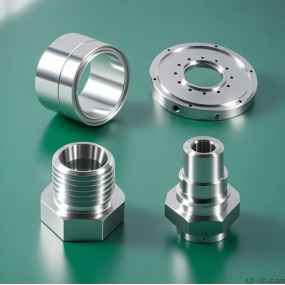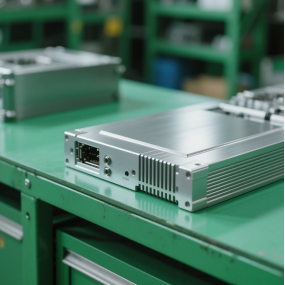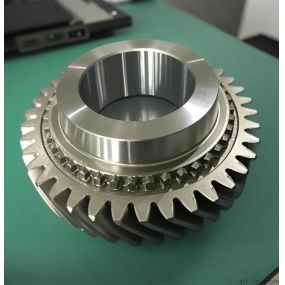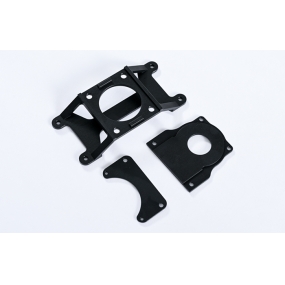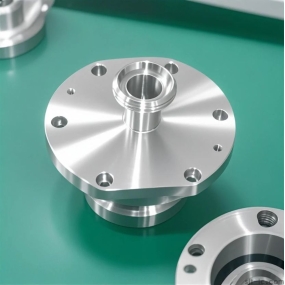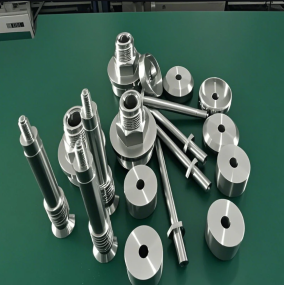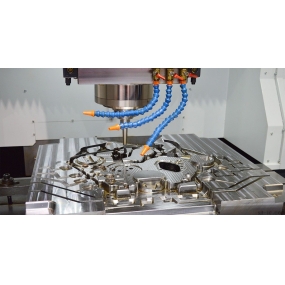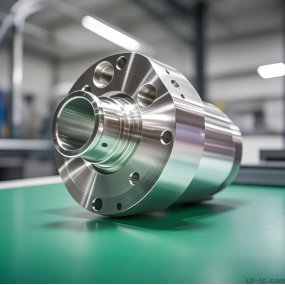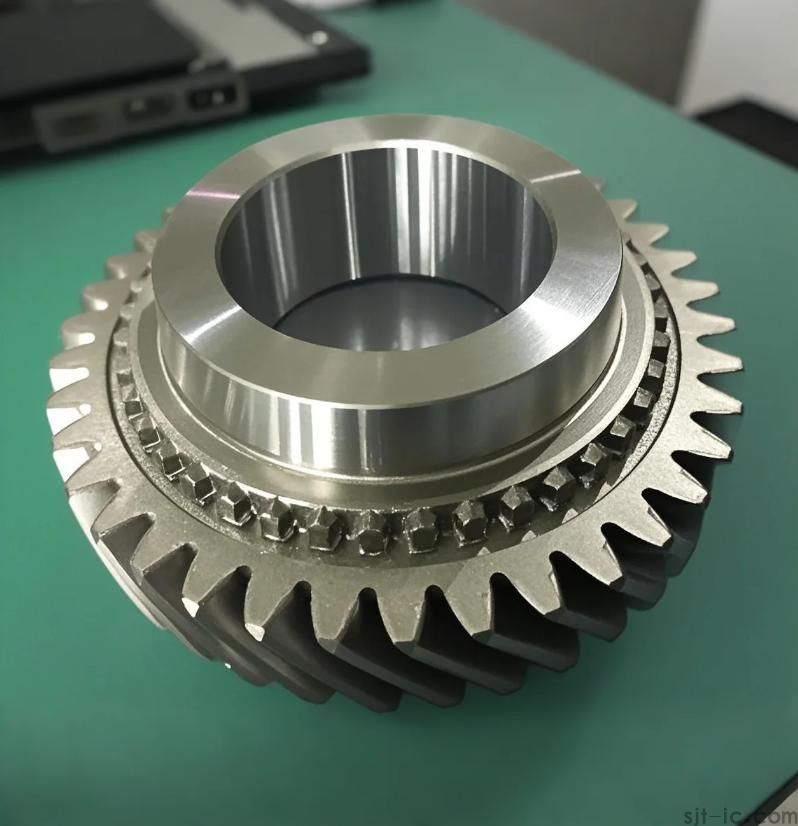
Modern industries need parts that fit exact designs, work reliably, and support high-performance equipment. Standard parts are not always enough because different machines and applications have different requirements. This is why Precision CNC Parts Customization for Industrial Applications has become an important solution for manufacturers that need accurate, durable, and application-specific components.
Custom CNC parts help companies solve problems such as poor fitting, production delays, material waste, and limited design options. By working with an experienced CNC Machining partner, businesses can develop parts that match their technical needs while improving product quality and efficiency.
Industrial equipment often operates under strict conditions. Parts may need to handle heavy loads, high temperatures, repeated movement, or complex assembly requirements. Customized CNC machining allows manufacturers to create components based on the exact size, shape, tolerance, and performance needs of their applications.
The main benefits of precision CNC parts customization in industry include better product performance, improved compatibility, reduced assembly problems, and longer service life. Customized parts also allow engineers to create unique designs that are difficult to achieve with standard products.
For industries such as automation, medical equipment, electronics, aerospace, and machinery manufacturing, precision CNC customization provides a practical way to meet demanding production goals.
A successful CNC customization project requires careful planning from design to final inspection. Understanding the steps in the customization process for industrial CNC parts helps customers choose the right manufacturing partner and avoid common problems.
Companies like EMAR support customers throughout the customization process, from design communication and material selection to precision machining and quality inspection. Their experience helps customers reduce development risks and achieve reliable results.
Choosing the correct material is a key factor in CNC part performance. Different industrial applications require different material properties, including strength, corrosion resistance, weight, heat resistance, and cost.
The most suitable choice depends on the working environment and the purpose of the component. Important material considerations for industrial precision CNC parts include:
A professional CNC manufacturer can help customers select materials that balance performance, machining difficulty, and production cost. EMAR provides technical support to help customers choose appropriate materials for different industrial applications.
Industrial parts must meet strict quality requirements because even small errors can affect equipment performance. Reliable manufacturers use professional inspection methods throughout the production process to maintain accuracy and consistency.
Strong quality assurance in precision CNC parts customization for industry includes:
EMAR focuses on precision manufacturing processes and quality management to help customers receive CNC parts that meet design requirements. Careful inspection and production control reduce the chance of defects and improve long-term product reliability.
Many companies worry that customized parts will increase manufacturing expenses. However, effective planning and the right manufacturing strategy can make custom CNC parts a cost-effective choice.
The main cost-related factors in industrial precision CNC parts customization include material selection, part complexity, machining time, production volume, finishing requirements, and inspection needs.
Working with an experienced supplier such as EMAR can help businesses find a balance between precision, quality, and budget. Professional advice during the early design stage often prevents expensive changes later.
The success of a CNC customization project depends greatly on the manufacturer's technical ability, equipment, quality system, and communication process. Before choosing a supplier, companies should consider:
A reliable CNC partner does more than produce parts. They provide engineering support, manufacturing advice, and quality control to help customers achieve better results. With experience in precision machining and customized industrial components, EMAR helps companies develop CNC parts that meet demanding application requirements.
Precision CNC Parts Customization for Industrial Applications gives manufacturers the flexibility to create accurate and reliable components for complex industrial needs. By focusing on proper design, suitable materials, strict quality control, and smart cost management, businesses can improve equipment performance and reduce production challenges.
Choosing an experienced CNC machining provider ensures that customized parts are produced with the required precision and consistency. With professional machining expertise and customer-focused solutions, EMAR supports industrial companies in developing high-quality CNC parts for a wide range of applications.