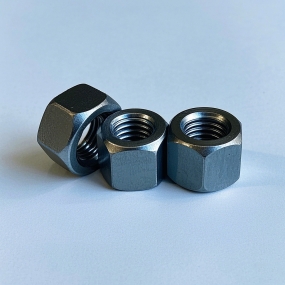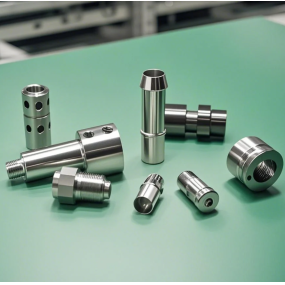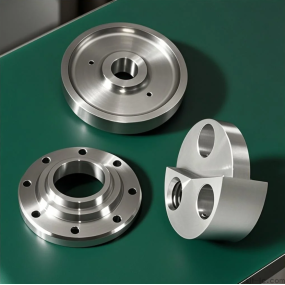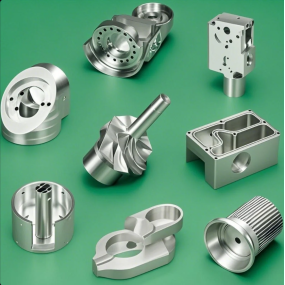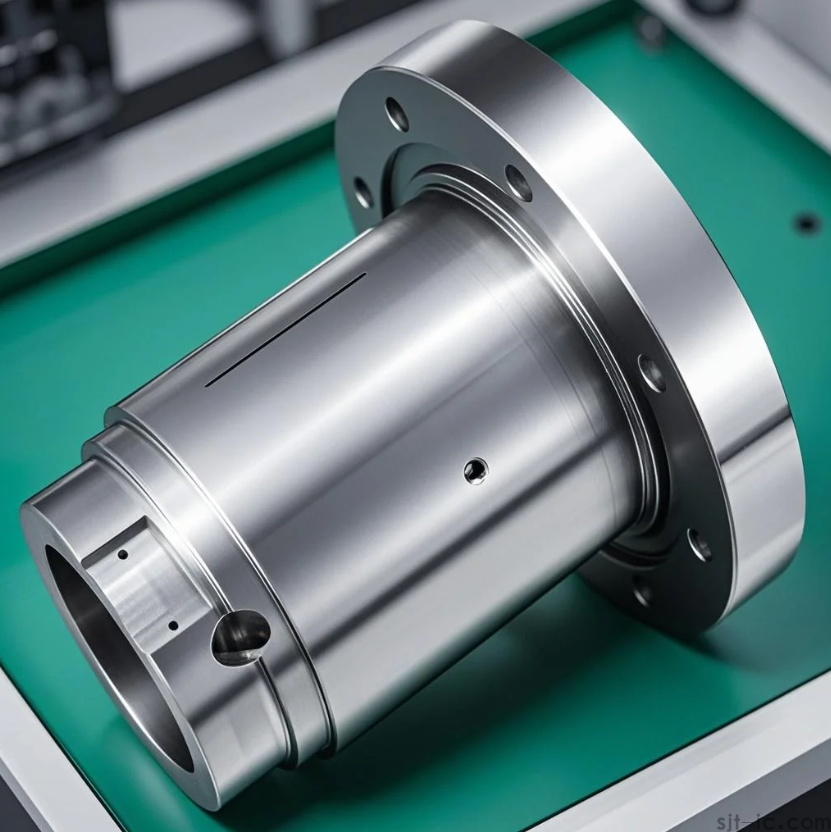
The automotive industry requires parts that are strong, accurate, and reliable. Even a small error in a mechanical component can affect vehicle safety, performance, and service life. This is why CNC Machining Automotive Parts has become an important manufacturing method for producing high-quality automotive components.
CNC machining uses computer-controlled machines to cut and shape metal or plastic materials with high accuracy. It helps automotive manufacturers create engine parts, transmission components, suspension parts, brake system components, and custom automotive prototypes with consistent quality.
For companies looking for reliable automotive parts production, choosing an experienced CNC machining partner is important. Manufacturers such as EMAR provide professional CNC machining services with experience in precision parts production, helping customers meet demanding automotive requirements.
Automotive parts must work under difficult conditions, including high pressure, vibration, friction, and temperature changes. CNC machining provides the accuracy and repeatability needed to produce parts that can perform safely in these environments.
Precision importance in CNC-machined automotive parts is a key factor because automotive systems often require very tight tolerances. For example, engine components and transmission parts need exact dimensions to ensure proper assembly and smooth operation.
Unlike traditional machining methods, CNC technology can quickly adjust production settings through computer programs. This makes it suitable for both mass production and small-batch automotive projects.
The process begins with a detailed design based on automotive requirements. Engineers create 3D models using CAD software and analyze factors such as load capacity, operating temperature, and installation requirements.
Before machining starts, manufacturers review the design to identify possible production problems. Adjustments may be made to improve strength, reduce material waste, and make machining more efficient.
Choosing the correct material is essential because automotive parts must balance strength, weight, durability, and cost. Material selection for automotive CNC parts depends on the specific application and working environment.
The right material choice helps automotive parts maintain performance under demanding conditions while controlling manufacturing costs.
After the material is prepared, CNC machines perform different cutting operations according to the programmed design. Common operations include turning, milling, and drilling.
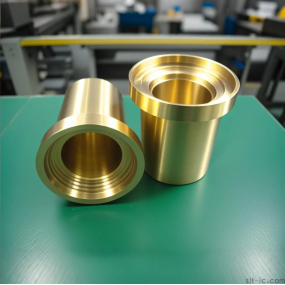
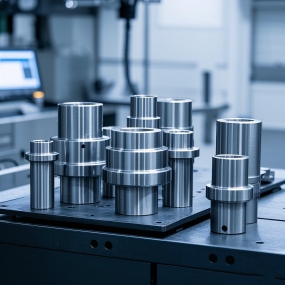
Turning operations in automotive CNC machining are widely used for producing round components such as shafts, bushings, and cylindrical engine parts. During turning, the workpiece rotates while cutting tools remove material to achieve the required shape and size.
Modern CNC equipment can complete multiple machining steps efficiently, reducing production time and improving consistency.
Some automotive parts require additional treatment after machining. Processes such as anodizing, coating, polishing, and heat treatment can improve corrosion resistance, hardness, and service life.
These finishing processes are especially important for parts exposed to moisture, heat, or continuous mechanical stress.
Automotive manufacturers have strict quality requirements because parts directly affect vehicle reliability and safety. Quality control in automotive CNC part production includes inspections throughout the entire manufacturing process.
A professional CNC machining supplier should have strict inspection procedures and experienced quality teams. Companies like EMAR focus on precision manufacturing processes and quality management to help customers receive dependable automotive components.
Cost-effectiveness of CNC machining for automotive parts comes from reducing waste, improving production speed, and lowering the risk of errors. Although CNC equipment requires an initial investment, it provides long-term benefits for automotive manufacturers.
For automotive companies developing new models or producing specialized components, CNC machining provides a flexible solution that supports both prototype development and large-scale manufacturing.
Although CNC machining offers many advantages, manufacturers may face challenges during automotive part production.
Working with a skilled CNC machining supplier helps overcome these challenges through professional engineering support, advanced equipment, and reliable quality control.
A reliable CNC machining company should have experience with automotive applications, advanced production equipment, strong quality control systems, and the ability to handle different materials and part designs.
EMAR offers CNC machining solutions for automotive parts, supporting customers with precision manufacturing, custom machining services, and professional production management. With suitable equipment and engineering experience, a qualified supplier can help automotive companies improve product quality while reducing development and production risks.
CNC Machining Automotive Parts plays an essential role in modern vehicle manufacturing. From accurate design and proper material selection to advanced machining operations and strict quality inspection, every step affects the final performance of automotive components.
With advantages such as high precision, customization ability, production efficiency, and cost control, CNC machining continues to support the development of safer and more reliable vehicles. Choosing an experienced CNC machining partner can help automotive manufacturers achieve consistent quality and competitive production results.