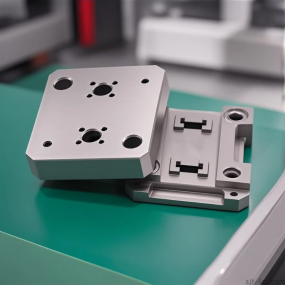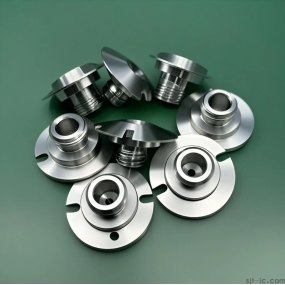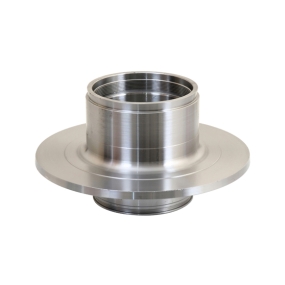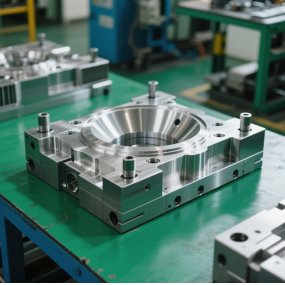

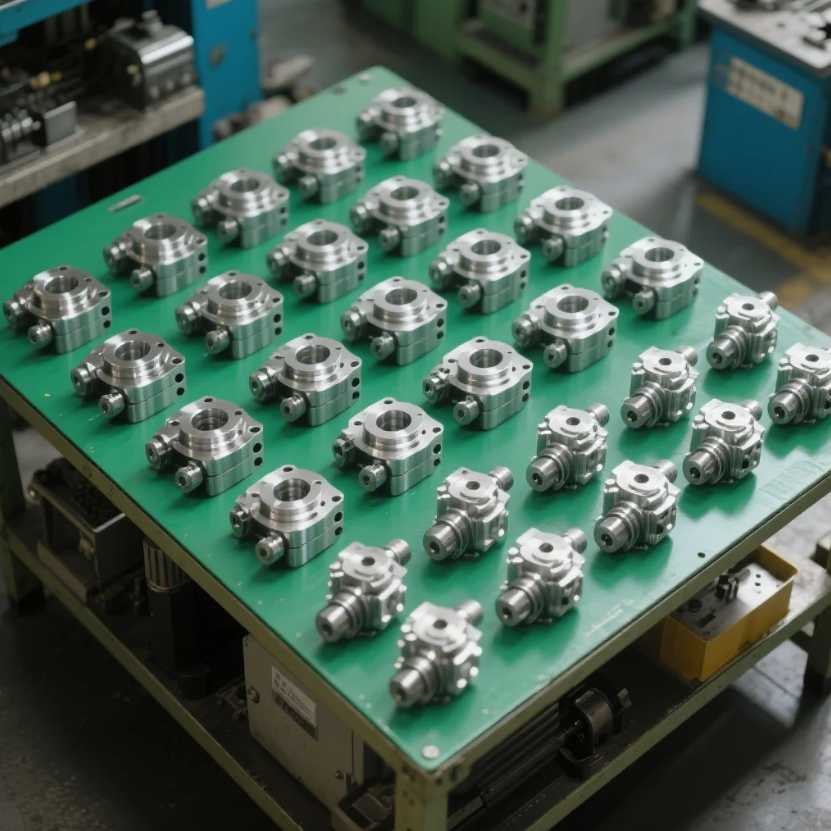
Precision CNC Parts Machining is a key manufacturing method used to produce high-accuracy components for industries such as aerospace, automotive, medical equipment, electronics, and industrial machinery. Many companies need CNC parts with tight tolerances, reliable performance, and stable quality. However, choosing the right material, machining process, and supplier can be challenging.
A small mistake in part dimensions, material choice, or production control can lead to assembly problems, higher costs, and product failures. This is why precision is so important in CNC Machining. Professional manufacturers, such as EMAR, focus on advanced machining technology, strict quality control, and engineering experience to help customers produce reliable precision parts.
Precision determines how accurately a CNC-machined part matches the original design requirements. In industries where safety and performance are critical, even a small dimensional error can affect the entire product.
For example, aerospace components often work under extreme conditions and require lightweight structures with excellent strength. A small error in an aircraft part may affect performance and safety. Medical devices also require extremely accurate parts because they often interact directly with the human body or sensitive equipment.
In the automotive industry, precision CNC parts help ensure proper fitting between engine components, transmission parts, and other mechanical systems. High accuracy improves durability, reduces wear, and increases product reliability.
With advanced CNC equipment and experienced engineers, manufacturers can achieve tight tolerances, complex geometries, and consistent production results. This makes Precision CNC Parts Machining an important solution for modern manufacturing.
Material selection for precision CNC parts is one of the most important steps before production begins. Different materials have different properties, including strength, hardness, corrosion resistance, weight, and machinability. Choosing the wrong material may increase machining difficulty, reduce part life, or increase costs.
Aluminum is one of the most common materials used in precision CNC machining because it is lightweight, easy to machine, and corrosion resistant. It also has good thermal conductivity, making it suitable for parts that need heat management.
Aluminum is widely used in aerospace structures, electronic housings, automotive components, and prototypes. Its excellent machinability allows manufacturers to achieve accurate dimensions while keeping production costs under control.
Steel is selected when higher strength and durability are required. Different types of steel provide different advantages.
Automotive and industrial machinery applications often require alloy steels because these parts must resist wear and maintain performance over long operating periods.
Titanium is known for its excellent strength-to-weight ratio, corrosion resistance, and high temperature performance. Although it is more difficult to machine and has higher material costs, it is valuable for demanding applications.
Aerospace manufacturers often choose titanium because aircraft parts need to be both lightweight and strong. Medical industries also use titanium for certain components because of its excellent biocompatibility.
Engineering plastics are useful when lightweight, chemical resistance, electrical insulation, or low friction is required. Materials such as ABS, nylon, and PEEK are commonly used for precision components.
Plastic CNC parts are often found in electronics, medical devices, and specialized industrial applications. The best material depends on the working environment, load requirements, temperature, and expected service life.
The machining process directly affects part accuracy, surface quality, and production efficiency. A professional CNC manufacturer selects suitable methods based on the part design, material, and performance requirements.
Milling in precision CNC machining is one of the most widely used processes for creating accurate parts. During milling, rotating cutting tools remove material from a workpiece to create flat surfaces, slots, pockets, and complex three-dimensional shapes.
Different milling cutters are used for different applications:
Cutting speed, feed rate, and cutting depth must be adjusted according to the material. For example, aluminum can usually be machined at higher speeds, while titanium requires careful cutting parameters to control heat and tool wear.
Turning is mainly used to produce cylindrical parts. During this process, the workpiece rotates while a cutting tool removes material from the surface.
Turning is suitable for shafts, pins, bushings, and other round components. Proper tool selection, stable machine setup, and accurate measurement help maintain tight tolerances.
Drilling creates precise holes for assembly, fastening, and fluid channels. High-quality drill tools and correct cutting parameters are important for achieving accurate hole size and preventing defects.
Grinding is used when extremely tight tolerances and smooth surface finishes are required. It removes small amounts of material using an abrasive wheel.
This process is often used for precision components that require excellent surface quality, such as precision shafts, molds, and high-performance mechanical parts.
Quality control in precision CNC parts ensures that every component meets design requirements before delivery. Without strict inspection, small errors may lead to product failures or expensive rework.
During production, manufacturers use measuring tools to monitor accuracy at different stages. Common inspection equipment includes:
Regular inspection helps identify problems early and prevents large batches of defective parts.
Before shipment, precision CNC parts may undergo additional testing, including:
Following quality systems such as ISO 9001 helps manufacturers maintain consistent production processes and improve customer confidence. Companies like EMAR use professional inspection procedures and manufacturing experience to support reliable CNC part production.
Many customers worry that high-precision machining will always be expensive. However, proper planning can improve cost-effectiveness in precision CNC machining without reducing quality.
Several factors influence CNC machining costs:
Companies can reduce costs by selecting the right material for the application, optimizing part designs, using efficient cutting tools, and combining similar production jobs.
Building a long-term relationship with a reliable CNC supplier can also provide benefits such as better pricing, faster communication, and improved production planning.
Although CNC machining provides excellent accuracy, manufacturers still face several production challenges. Understanding these problems helps improve part quality and reduce delays.
Cutting tools gradually lose performance during machining. Worn tools can cause poor surface finishes, inaccurate dimensions, and production problems.
Solutions include using high-quality cutting tools with proper coatings, selecting suitable cutting parameters, and replacing tools at the correct time.
Machining generates heat, especially when working with hard materials. Excessive heat can change part dimensions and affect accuracy.
Cooling systems, proper lubrication, and optimized machining speeds help control temperature and reduce deformation.
Producing consistent precision parts requires stable machines, skilled operators, and accurate measurement systems.
Regular machine calibration, preventive maintenance, and continuous inspection help manufacturers maintain strict tolerances throughout production.
Selecting the right CNC machining supplier is essential for achieving high-quality parts at a reasonable cost. A reliable partner should have advanced CNC equipment, experienced engineers, strong quality management systems, and the ability to handle different materials and production volumes.
EMAR provides professional Precision CNC Parts Machining services with experience in material selection, CNC milling, turning, precision grinding, and quality inspection. By combining manufacturing expertise with strict process control, EMAR helps customers create accurate and dependable components for different industries.
Whether the project requires lightweight aerospace parts, durable automotive components, or high-precision medical parts, choosing an experienced CNC machining partner can improve product performance, reduce risks, and support long-term manufacturing success.