
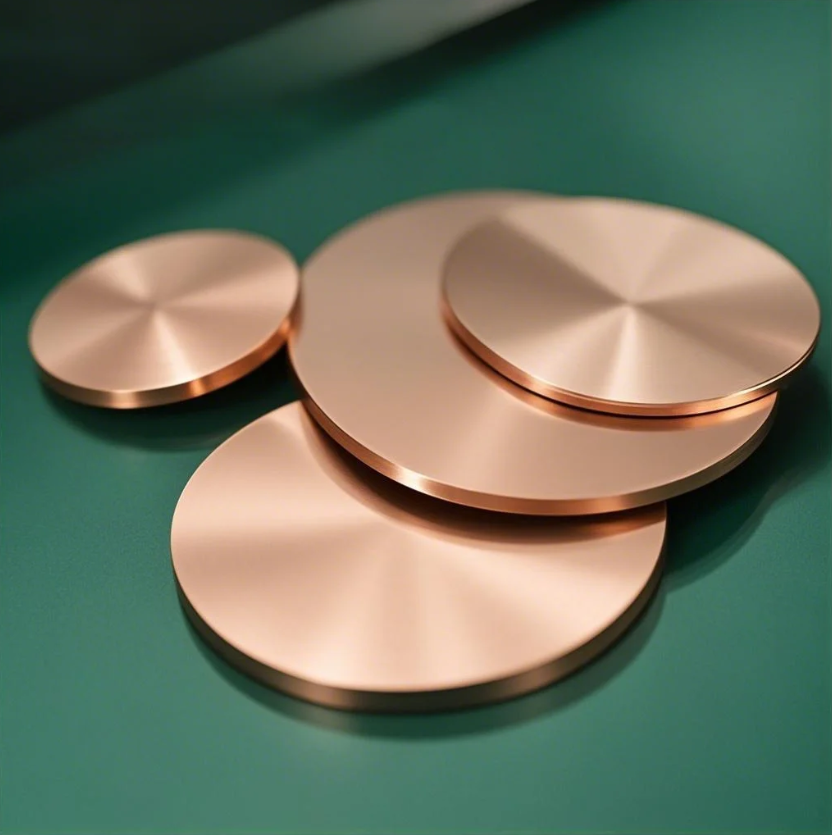
CNC Machining Copper Sheets is a reliable manufacturing method for creating accurate copper components used in electronics, plumbing systems, architecture, and many other industries. Copper is valued for its excellent electrical conductivity, corrosion resistance, and attractive appearance. However, machining copper sheets can be challenging because the material is soft, flexible, and sensitive to heat.
Many customers worry about achieving tight dimensions, maintaining a smooth surface finish, and avoiding problems such as burrs, deformation, or oxidation. With the right equipment, cutting tools, machining settings, and quality control processes, CNC machining can produce copper sheet parts with consistent accuracy and excellent performance.
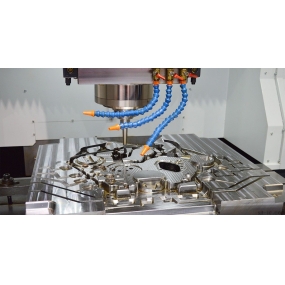
CNC machining uses computer-controlled equipment to remove material and create precise shapes based on digital designs. For copper sheets, this process offers better control than many traditional methods because machines can follow complex designs with high repeatability.
The main advantages of CNC machining copper sheets include:
Industries such as electronics depend on copper parts because copper transfers electricity efficiently. Plumbing applications require copper components with accurate connections, while architectural projects often need copper sheets with clean edges and attractive finishes.
Good design planning is essential before machining copper sheets. Copper is softer than many metals, so the design must consider how the material behaves during cutting, drilling, and shaping.
Important design considerations for CNC-machined copper sheets include:
For electrical components, designers should focus on maintaining clean contact surfaces and avoiding unnecessary coatings that reduce conductivity. For decorative or architectural copper sheets, appearance, edge quality, and polishing requirements should be considered during the design stage.
Choosing the correct copper material affects machining performance, durability, and final product cost. Different copper alloys provide different advantages depending on the application.
Copper alloy selection for sheet machining should consider:
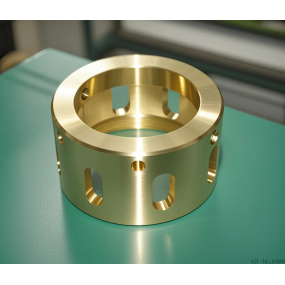
Common copper materials used for CNC machining include pure copper, brass, and bronze. Pure copper is ideal when conductivity is the top priority. Brass is often easier to machine and provides a cost-effective solution for many mechanical parts. Bronze can offer improved wear resistance for specific industrial applications.
Copper sheets can be processed through several CNC operations. Each operation requires proper tools and machining parameters to avoid damage and maintain accuracy.
CNC cutting is commonly used to create basic shapes and profiles from copper sheets. Sharp, high-quality cutting tools are important because dull tools can increase friction, create rough edges, and cause material deformation.
Milling is used for creating detailed features such as pockets, grooves, and complex surfaces. Carbide cutting tools are often preferred because they provide good wear resistance and stable performance when machining copper.
Drilling copper sheets requires proper tool selection and controlled pressure. Because copper is soft, excessive force may cause burrs or inaccurate holes. Using sharp drills and suitable cooling methods helps improve hole quality.
Typical machining parameters for copper depend on the alloy, thickness, tool type, and machine condition. In general, copper machining uses higher cutting speeds than harder metals, but feed rates and cutting depths must be carefully controlled to prevent vibration and overheating.
Although copper is highly useful, it presents several machining challenges that manufacturers must manage carefully.
Copper's softness can cause material to bend instead of being cleanly removed, resulting in burr formation around edges and holes. Handling burrs in copper sheet CNC machining requires sharp tools, optimized cutting conditions, and proper finishing methods.
Common solutions include:
Copper naturally reacts with air and moisture, which can create surface oxidation. Protecting copper during storage and machining helps maintain its appearance and electrical performance.
Copper conducts heat quickly, and excessive cutting heat may affect accuracy. Proper coolant selection, tool condition, and machining parameters help reduce thermal deformation.
After CNC machining, additional treatments may be required to improve appearance, performance, or durability.
Post-machining processes for CNC-machined copper sheets may include:
For electrical applications, surface treatment must be carefully selected to avoid reducing conductivity. For architectural applications, finishing processes can enhance the natural beauty of copper.
Reliable quality inspection is essential for copper sheet machining projects. Manufacturers must verify that parts meet design requirements before delivery.
Quality control in CNC-machined copper sheets typically includes:
A professional CNC machining partner should combine advanced equipment with experienced technicians to maintain stable quality from prototype production to larger manufacturing runs.
Selecting the right manufacturer can greatly influence the success of a copper machining project. A capable supplier should understand copper material behavior, provide accurate machining solutions, and offer strong quality management.
EMAR provides CNC machining services for copper sheets, supporting customers with precision manufacturing, material expertise, and customized solutions. By combining modern CNC equipment with professional machining experience, EMAR helps produce copper components that meet requirements for accuracy, surface quality, and reliability.
Whether the project involves electrical parts, industrial components, or decorative copper elements, careful design, proper machining methods, and strict inspection are the keys to achieving high-quality results.