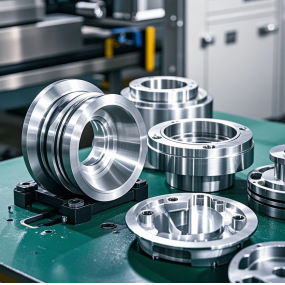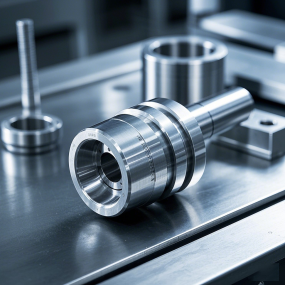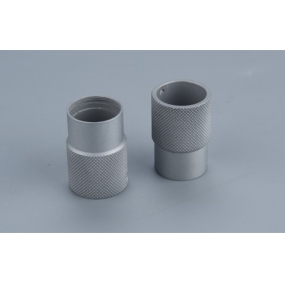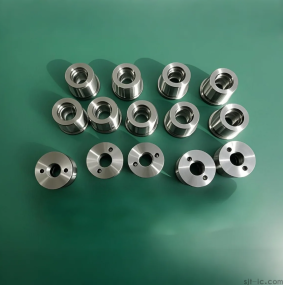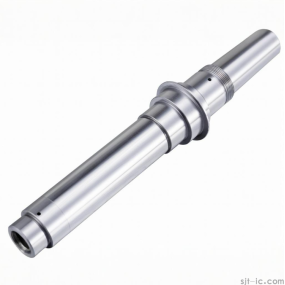

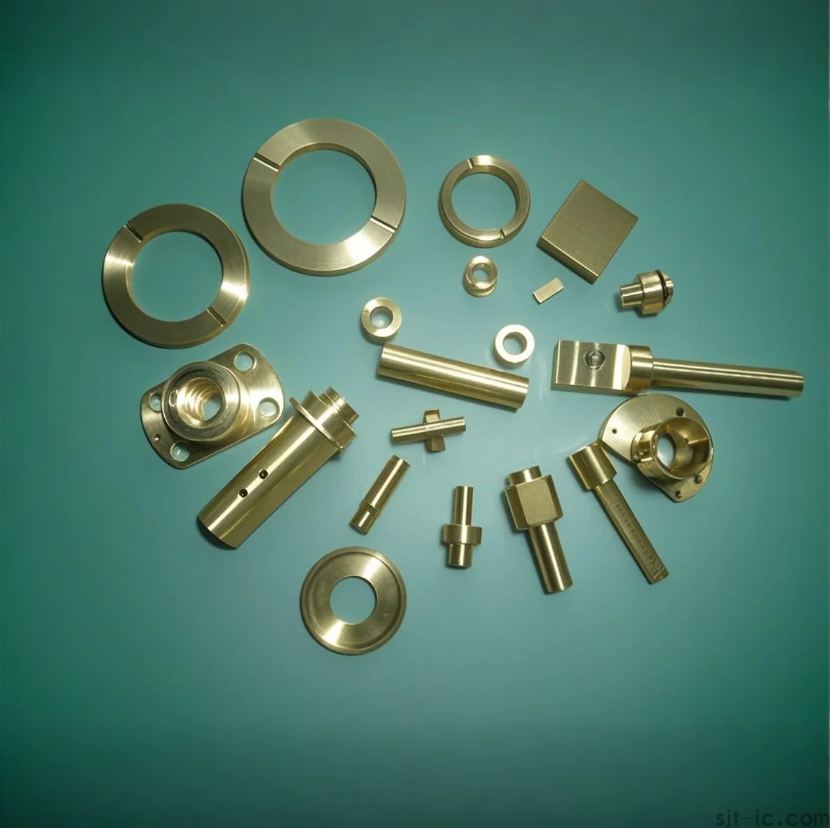
Communication components are becoming smaller, faster, and more complex. Devices used in wireless networks, 5G systems, satellites, and electronic equipment require parts that can support high-frequency signals while maintaining stable performance. Small errors in size, surface quality, or material properties can affect signal transmission, assembly accuracy, and product reliability.
CNC Machining Communication Components provides an effective solution for producing these high-performance parts. With advanced CNC technology, manufacturers can create communication components with tight tolerances, complex structures, and consistent quality for both prototypes and large-scale production.
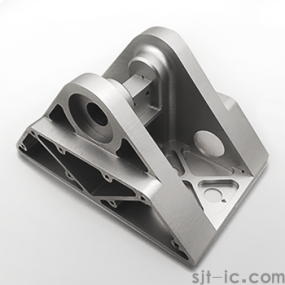
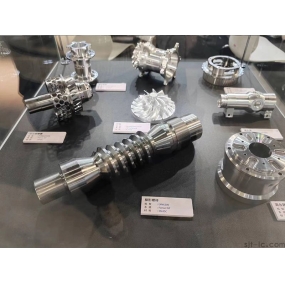
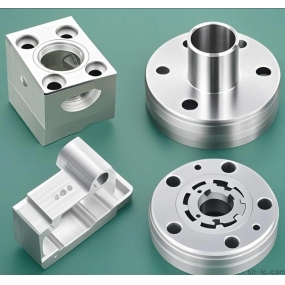
Communication parts often include housings, connectors, antenna components, waveguide parts, RF components, and precision mechanical structures. These parts must meet strict requirements for electrical performance and mechanical accuracy.
CNC machining is widely used because it offers several important advantages:
The design stage strongly affects the final performance of communication components. Engineers must consider both mechanical requirements and communication technology requirements before machining begins.
For example, components designed for 5G applications must support high-frequency performance. At higher frequencies, even small surface defects, dimensional errors, or unwanted material changes can influence signal quality. Therefore, design considerations for CNC-machined communication components should include:
During design reviews, experienced CNC manufacturers can help optimize models for easier machining, lower production costs, and better final performance. Companies such as EMAR provide CNC machining solutions that support communication component development from prototype design to production manufacturing.
Choosing the correct material is essential because communication components must often balance mechanical strength, electrical performance, thermal resistance, and weight requirements.
Material selection for communication part CNC machining depends on the component's purpose and operating environment.
The selected material must also match requirements such as corrosion resistance, surface treatment compatibility, and long-term reliability.
The manufacturing process usually begins with a detailed 3D model and engineering drawings. The CNC program is then created based on the component geometry, material properties, and required accuracy.
Milling operations in communication component production are commonly used for creating complex surfaces, pockets, grooves, and precision mounting structures.
During milling, manufacturers select suitable cutting tools and machining parameters according to the material and design requirements.
For delicate RF components, smaller tools and precise machining strategies are often used to create detailed features without damaging the part.
CNC turning is suitable for round communication components such as connectors, shafts, and cylindrical RF parts. It provides excellent control over diameter accuracy and surface finish.
Proper tool selection and stable cutting conditions help prevent vibration, which can reduce accuracy and affect the final assembly quality.
As communication devices become smaller, micro-machining technology becomes increasingly important. It allows manufacturers to create tiny features with high accuracy for advanced electronic applications.
Micro-machining requires specialized tools, careful parameter control, and strict process monitoring to avoid deformation or surface damage.
Handling signal interference in communication part CNC machining is an important challenge because communication components must maintain excellent electromagnetic performance.
Manufacturers must consider several factors during production:
Advanced CNC machining processes help achieve smooth surfaces and accurate geometries, supporting stable signal transmission in demanding communication systems.
After machining, communication components often require additional treatments to improve performance and durability.
Communication components require strict inspection because small defects can affect system performance. Reliable manufacturers use multiple quality control steps throughout production.
Quality control in communication component CNC manufacturing includes:
Professional CNC suppliers with experience in communication industries can help customers meet demanding quality standards. EMAR focuses on precision CNC machining services and supports communication component projects with advanced equipment, experienced engineers, and strict quality management processes.
The right manufacturing partner can reduce development risks and improve product reliability. When selecting a CNC machining supplier, companies should consider:
As communication technology continues to advance, CNC machining will remain an important manufacturing method for producing reliable, high-performance components. With precise machining, suitable materials, careful process control, and strong quality management, CNC-machined communication parts can meet the strict demands of modern wireless and electronic systems.