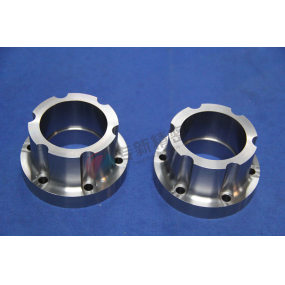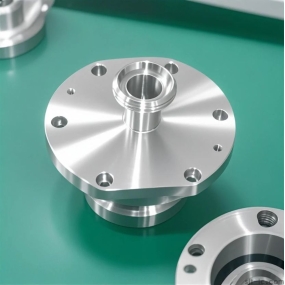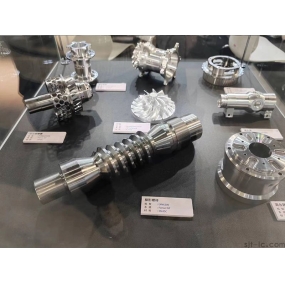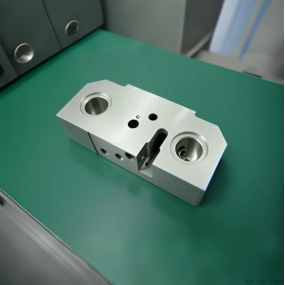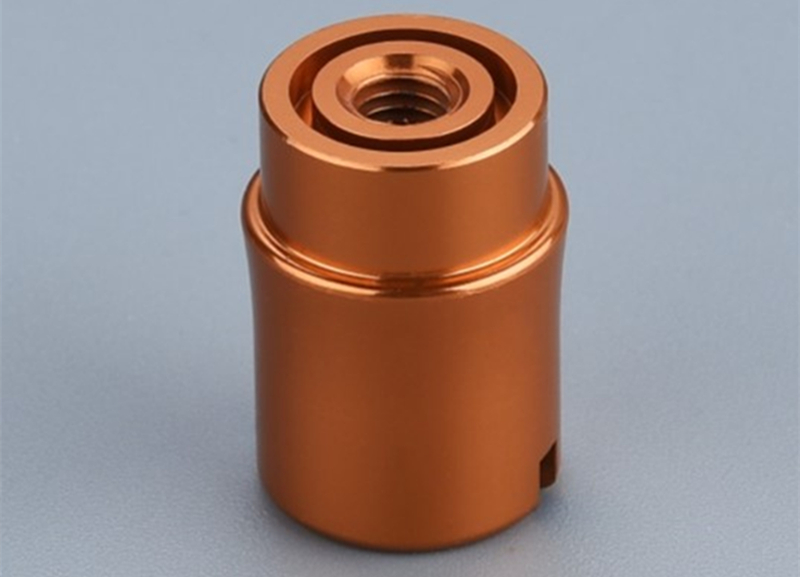
CNC Machining of Aluminum Nut Parts is a common manufacturing method used to produce accurate, lightweight, and durable nut components for many industries. Aluminum nuts are widely used in automotive parts, electronics, aerospace equipment, machinery, and custom assemblies because they provide a good balance between strength, weight, and corrosion resistance.
This guide explains how aluminum nut parts are made through CNC machining, including material advantages, machining methods, design points, accuracy requirements, and inspection processes. It also provides practical advice for companies looking for reliable aluminum nut manufacturing solutions.
Understanding the properties of aluminum in CNC nut machining helps manufacturers choose the right material for different applications. Aluminum has several advantages that make it suitable for precision nut parts.
For example, an aluminum nut used in electronic equipment may need to be lightweight and resistant to corrosion, while an aluminum nut used in a machine assembly may require higher strength and accurate threads.
The CNC machining techniques for aluminum nut parts usually include turning, threading, and drilling. These processes are controlled by computer programs to achieve consistent dimensions and repeatable quality.
CNC turning is often the first step when producing round aluminum nut parts. During this process, the aluminum material rotates while cutting tools remove excess material to create the basic nut shape.
Turning can create important external features, such as:
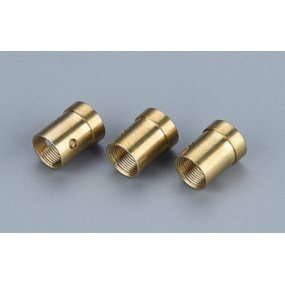
Threading is one of the most important steps in CNC machining of aluminum nuts. The internal threads must match the bolt or screw perfectly to ensure safe connection and easy assembly.
Manufacturers can produce different thread types, including metric threads and standard industrial thread designs. Proper thread cutting requires correct tool selection, cutting speed, and machining settings.
Drilling creates the internal hole before threading or produces additional holes required for special nut designs. Accurate drilling ensures that the final nut has the correct size and alignment.
For example, a custom aluminum nut for a robotic device may require a threaded center hole and additional side holes for installation. CNC machining allows these special requirements to be produced accurately.
The design considerations in CNC machining of aluminum nuts directly affect product performance, manufacturing cost, and assembly reliability. A good design should consider the following factors.
The thread type must match the connecting bolt or screw. Designers should select the correct thread standard, diameter, and pitch according to the application.
Important thread factors include:
Choosing the wrong thread size may cause loose connections, difficult installation, or part failure.
Aluminum nuts can be customized into different shapes depending on the application. Common designs include hex nuts, round nuts, square nuts, and special-shaped nuts.
Designers should consider:
The head shape can improve usability and installation efficiency. Some applications may require special features such as grooves, holes, knurling, or lightweight structures.
For example, a camera equipment manufacturer may use a custom aluminum nut with a special grip design to allow quick manual adjustment.
The precision requirements in CNC machining of aluminum nut parts are important because nuts must fit accurately with other components. Small errors in size or thread accuracy can affect the entire assembly.
Typical precision requirements include:
The required tolerance depends on the application. Standard industrial nuts may allow slightly larger tolerances, while aerospace or precision equipment parts usually require tighter control.
Working with an experienced CNC manufacturer helps ensure that the machining process meets the required specifications before mass production begins.
The quality control in CNC machining of aluminum nut parts ensures that every finished nut meets design requirements and performs reliably during use.
Common inspection methods include:
A professional quality control system reduces production risks and helps customers receive consistent parts for their products.
When preparing a CNC machining project, customers can improve results by providing clear information about the required part.
Choosing the right machining partner is important for producing reliable aluminum nut parts. EMAR provides CNC machining services for customized aluminum components, helping customers create parts with accurate dimensions, stable quality, and professional manufacturing support.
With experience in precision machining, EMAR can assist with material selection, machining process planning, thread production, inspection, and customized designs for different industries. From prototype development to batch production, professional CNC machining services help ensure aluminum nut parts meet performance requirements.
CNC Machining of Aluminum Nut Parts combines advanced CNC technology with the advantages of aluminum materials to create lightweight, corrosion-resistant, and precise fastening components. By understanding aluminum properties, machining techniques, design requirements, precision control, and inspection methods, businesses can make better decisions when developing custom nut parts.
A carefully designed aluminum nut and a reliable CNC machining process can improve product performance, reduce assembly problems, and provide long-term value for many industrial applications.