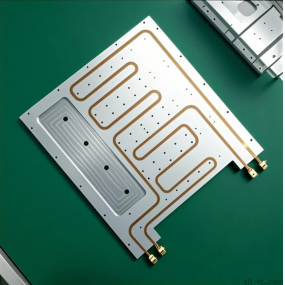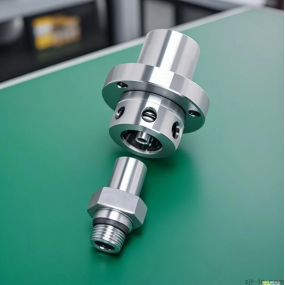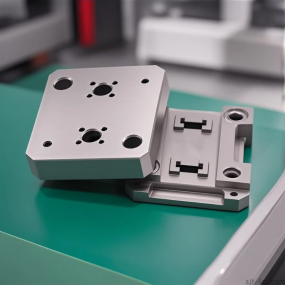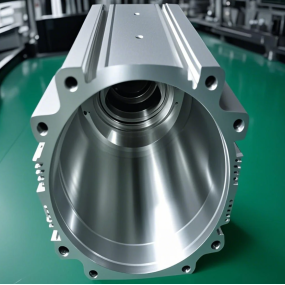

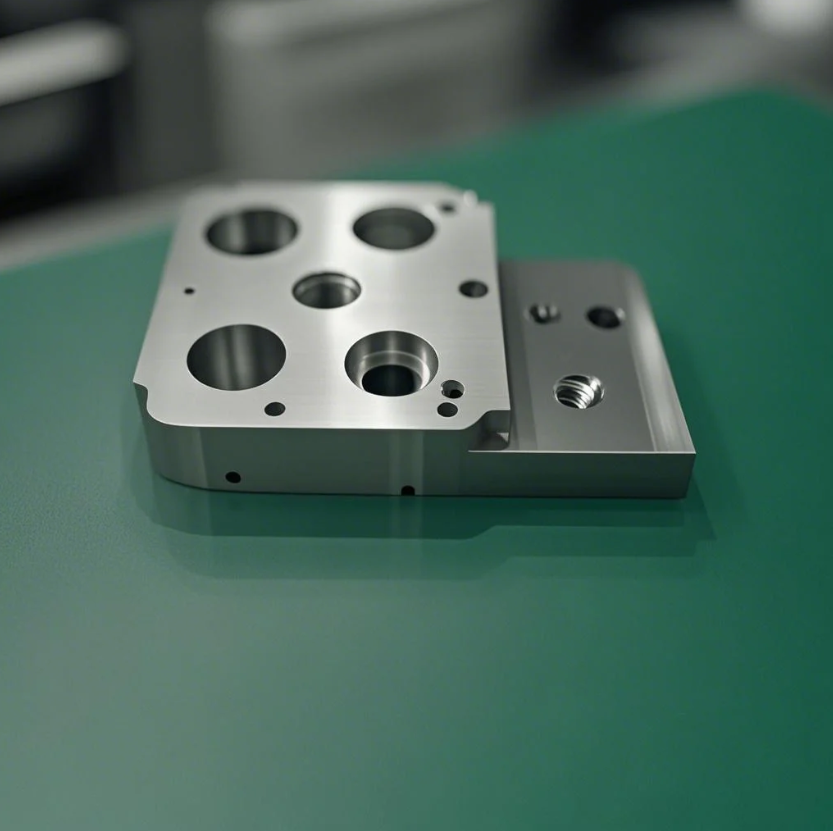
In modern industries, parts often need to work with extremely high accuracy. A small error in size, shape, or surface quality can affect the performance of an entire product. This is why High Precision CNC Parts Machining has become an important manufacturing solution for industries that require reliable, accurate, and consistent components.
High precision CNC Machining uses advanced computer-controlled machines to produce parts with very tight tolerances and complex designs. It helps manufacturers create high-quality components for aerospace, medical devices, semiconductor equipment, automation systems, and other demanding applications.
Many customers have common concerns before starting a CNC machining project. They want to know: Can the parts meet strict accuracy requirements? Will the production cost remain reasonable? Can the supplier deliver parts on time? A professional machining provider can solve these challenges through careful design planning, suitable material selection, optimized machining processes, and strict quality control.
High precision CNC machining is designed for applications where normal machining methods cannot provide enough accuracy. CNC machines follow programmed instructions to control cutting movements, allowing manufacturers to produce parts with extremely small dimensional variations.
The main advantages of high precision CNC parts machining include:
For example, aerospace parts often require lightweight but strong structures with strict safety standards. Medical device components need excellent surface quality and precise dimensions for patient safety. Semiconductor equipment parts require high accuracy because even tiny errors can affect equipment performance.
The design stage is one of the most important steps in successful CNC machining. Good communication between the customer and machining provider helps avoid design problems, unexpected costs, and production delays.
The customer should clearly explain how the part will be used, including:
For example, aerospace components may require high strength, lightweight materials, and resistance to extreme temperatures. Medical device parts may need biocompatible materials and smooth surfaces. Semiconductor equipment parts may require excellent dimensional stability because they operate in highly controlled environments.
Professional CNC machining companies, such as EMAR, work closely with customers during the design review stage. Engineers can provide manufacturing suggestions, identify possible machining difficulties, and optimize designs to improve quality while controlling costs.
When preparing CNC designs, engineers should consider:
Following proper design considerations for high-precision CNC parts can reduce machining difficulties and improve production efficiency.
The choice of material directly affects machining performance, part durability, and final product quality. Different industries require different material properties, so careful material selection is necessary.
Common materials used in high precision CNC machining include:
During material selection for high-precision machining, engineers must consider hardness, thermal stability, corrosion resistance, machinability, and the working conditions of the final part.
Choosing the wrong material may lead to problems such as deformation, excessive tool wear, poor surface quality, or reduced service life.
High precision CNC parts machining involves several manufacturing processes. The correct machining method depends on the part design, material, tolerance requirements, and production volume.
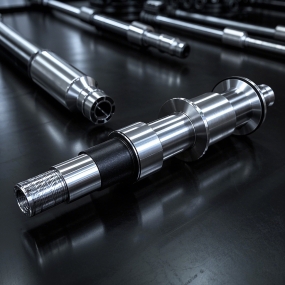
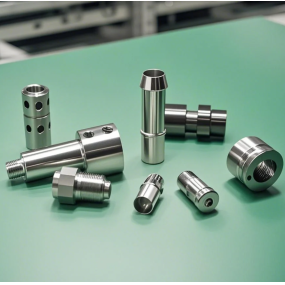
CNC turning is mainly used for cylindrical parts such as shafts, pins, and precision sleeves. The cutting tool removes material while the workpiece rotates. Proper control of cutting speed, feed rate, and depth of cut helps achieve accurate dimensions and smooth surfaces.
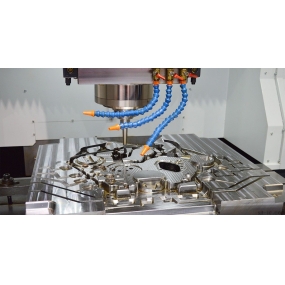
CNC milling uses rotating cutting tools to remove material from a fixed workpiece. It is suitable for complex parts with slots, pockets, holes, curved surfaces, and multi-sided features.
For high precision milling, manufacturers carefully optimize:
Grinding is often used after rough machining when extremely accurate dimensions and fine surface finishes are required. It is commonly applied to hardened materials and precision components.
EDM uses electrical sparks to remove material instead of direct cutting. It is ideal for hard materials and complex shapes that are difficult to machine with traditional tools, such as small holes, sharp corners, and intricate features.
Producing high precision parts requires careful control of many factors. Even small changes in temperature, machine condition, or cutting tools can affect accuracy.
Manufacturers reduce errors by using accurate CNC programming, machine calibration, proper fixture design, and real-time monitoring. Stable machining conditions help maintain consistent dimensions.
Tool wear is a common challenge because worn tools can cause inaccurate dimensions, poor surface finishes, and increased production costs.
Effective methods for handling tool wear in high precision CNC machining include:
Temperature changes can cause material expansion or contraction. Precision machining facilities control environmental conditions, use proper cooling methods, and apply stable machining strategies to maintain accuracy.
After machining, additional processes may be required to improve mechanical properties, appearance, or performance.
Common post-machining processes include:
Choosing the right post-machining processes for high-precision CNC-machined parts ensures that components meet both appearance and performance requirements.
Quality control is essential because high precision parts must meet strict requirements before delivery. Professional CNC manufacturers use multiple inspection methods throughout production.
Important quality control methods include:
Strong quality control in high precision CNC part manufacturing helps prevent defects, reduce production risks, and provide customers with reliable components.
A reliable CNC machining supplier should have advanced equipment, experienced engineers, skilled operators, and a complete quality management system. The supplier should also provide clear communication throughout the project, from design review to final delivery.
EMAR provides professional high precision CNC machining services with advanced manufacturing equipment, experienced technical teams, and strict inspection processes. By combining engineering expertise with precise production control, EMAR helps customers produce complex CNC parts that meet demanding accuracy, quality, and delivery requirements.
Whether the application involves aerospace components, medical devices, semiconductor equipment, or industrial machinery, choosing the right machining partner can improve product reliability and reduce manufacturing risks.
High Precision CNC Parts Machining is a key manufacturing technology for industries that require accurate, complex, and reliable components. Successful machining depends on careful design planning, proper material selection, optimized cutting processes, effective tool management, professional post-processing, and strict quality inspection.
By understanding each step of the machining process and working with an experienced CNC provider, companies can achieve better part quality, shorter production times, and more cost-effective manufacturing solutions.