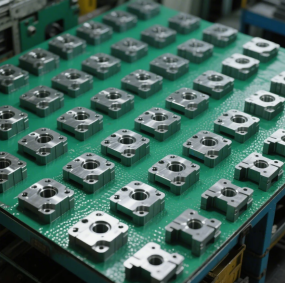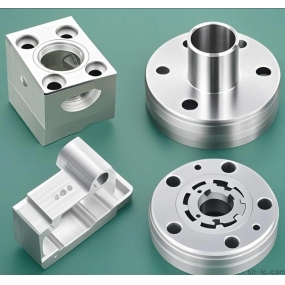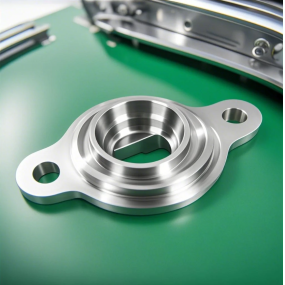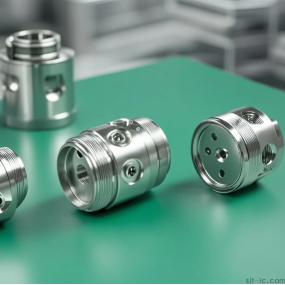

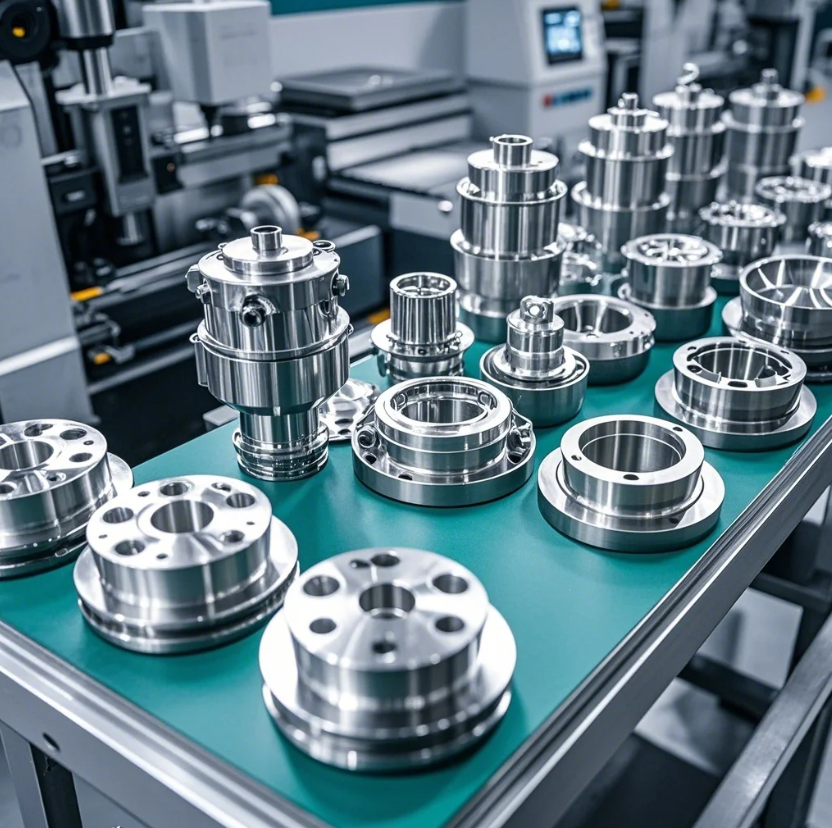
CNC machining of stainless steel is widely used in industries that require strong, durable, and corrosion-resistant parts. From automotive components and medical devices to food equipment and kitchenware, stainless steel provides an excellent balance of performance and appearance. However, machining stainless steel is not always easy. Its hardness, heat resistance, and tendency to become harder during cutting can create challenges for manufacturers.
Choosing the right machining method, material grade, tools, and process settings is essential to achieve high precision, control costs, and extend tool life. Experienced CNC manufacturers, such as EMAR, use advanced equipment, optimized machining strategies, and strict inspection systems to produce high-quality stainless steel parts for different applications.
Stainless steel is one of the most popular materials for CNC machining because it offers excellent mechanical and chemical properties. It contains chromium, which creates a protective oxide layer that improves corrosion resistance. This makes stainless steel suitable for products exposed to moisture, chemicals, or harsh environments.
The main advantages of stainless steel include:
Because of these benefits, stainless steel CNC machining is commonly used for automotive parts, surgical instruments, precision equipment, industrial components, and decorative products.
Good part design is an important step in successful CNC machining of stainless steel. Stainless steel is harder than many common metals, so poor design choices can increase machining time, tool wear, and production costs.
The hardness of stainless steel affects cutting performance. Harder grades require stronger cutting tools and more careful machining parameters. Designers should avoid unnecessary deep cuts, very thin walls, and complex features that increase cutting difficulty.
Important design points include:
The final application should guide material choice and design decisions.
Careful design considerations for CNC machining stainless steel help reduce manufacturing problems and improve the performance of the finished product.
Different stainless steel alloys have different machining characteristics. Selecting the correct grade is important for achieving the required strength, corrosion resistance, and machining performance.
The best stainless steel alloy selection for CNC depends on the product environment, strength requirements, surface requirements, and machining budget. A professional CNC supplier can help select the most suitable material before production begins.
Several CNC machining processes can be used for stainless steel parts. Each operation requires suitable tools and cutting parameters to achieve good accuracy and surface quality.
CNC turning is mainly used to create round stainless steel components such as shafts, pins, bushings, and fittings. The workpiece rotates while a cutting tool removes material.
Recommended tools: Carbide inserts are commonly used because they provide high hardness and heat resistance.
Typical parameters:
CNC milling creates complex shapes, slots, pockets, and flat surfaces. Stainless steel milling requires stable machines and strong cutting tools.
Recommended tools: Carbide end mills with suitable coatings, such as TiAlN coatings, are often selected for better heat resistance and longer tool life.
Typical parameters:
Drilling is used to create accurate holes for assembly and functional requirements. Stainless steel drilling can generate high heat, so cooling is important.
Recommended tools: Cobalt drills or carbide drills with proper coatings.
Recommended practices:
Grinding is used when very high precision or a smooth surface finish is required. It is often used after rough machining to achieve tight tolerances.
Recommended tools: Grinding wheels suitable for stainless steel, with proper cooling control.
One of the biggest challenges when machining stainless steel is work-hardening. When the cutting tool does not remove material efficiently, the surface can become harder. This makes later cutting more difficult and increases tool wear.
Solutions for handling work-hardening in CNC machining stainless steel include:
Stainless steel does not transfer heat quickly, so cutting heat often stays near the tool edge. Excessive heat can reduce tool life and damage surface quality.
Practical solutions include:
Tool wear increases machining costs and affects accuracy. Choosing the correct tool material, coating, and machining parameters is essential.
Carbide tools, coated inserts, and regular tool monitoring help maintain stable production quality.
Although stainless steel can be more difficult to machine than aluminum or mild steel, proper process planning can control costs.
Manufacturers like EMAR focus on process optimization, precision machining, and production efficiency to help customers achieve reliable stainless steel parts while controlling manufacturing costs.
After machining, additional treatments can improve the appearance, performance, and durability of stainless steel parts.
Proper post-machining in CNC machining stainless steel ensures that the final product meets both functional and appearance requirements.
Strict quality control is necessary because stainless steel parts are often used in precision and safety-critical applications. Reliable CNC manufacturers use inspection methods throughout production, not only after machining.
Important quality control steps include:
Effective quality control in CNC machining stainless steel helps prevent failures, reduce waste, and ensure consistent part performance.
CNC machining stainless steel requires experience, advanced equipment, and strong process control. A reliable machining partner should understand stainless steel behavior, recommend suitable materials, select proper tools, and maintain strict quality standards.
EMAR provides professional CNC machining services for stainless steel components, supporting customers with material selection, precision machining, surface treatment, and quality inspection. With proper engineering support and manufacturing experience, stainless steel parts can achieve excellent accuracy, durability, and cost performance for many industries.