
Aluminum Parts CNC Machining
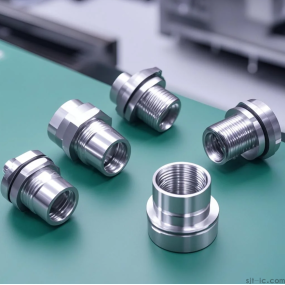
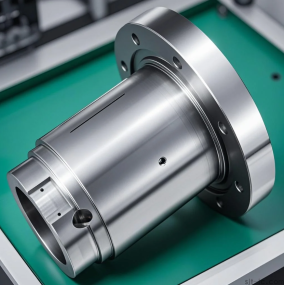
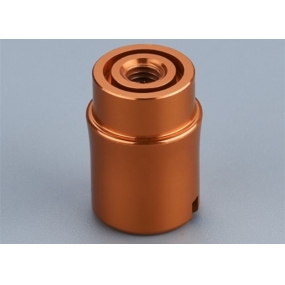
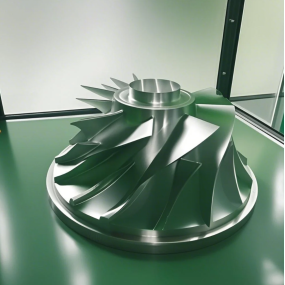
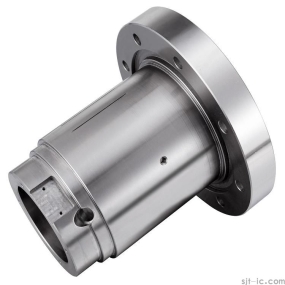
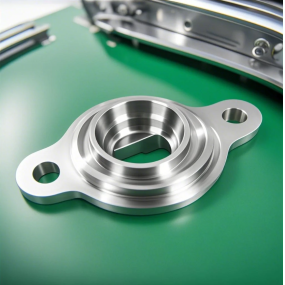
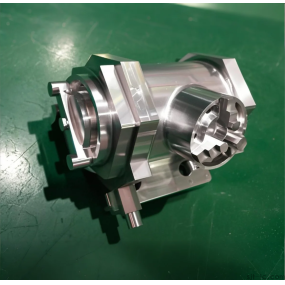
Aluminum Parts CNC Machining is one of the most widely used manufacturing methods for producing strong, lightweight, and precise components.
Published by EMAR TECH CO., LTD.
Request a machining reviewAluminum Parts CNC Machining is one of the most widely used manufacturing methods for producing strong, lightweight, and precise components. Many industries depend on aluminum parts because they are cost-effective, easy to machine, and highly versatile. However, choosing the right process and supplier is often confusing for buyers, especially when dealing with tight tolerances, surface finish requirements, and delivery deadlines.
Why Aluminum is a Popular Material in CNC Machining
Aluminum is widely used in CNC machining because it offers an excellent balance between strength and weight. It is also easier to cut compared to steel, which helps reduce production time and cost.
The advantages of aluminum for CNC machining include:
- Lightweight but strong structure
- Good corrosion resistance
- Excellent thermal and electrical conductivity
- High machinability for complex designs
- Cost efficiency for mass production
These benefits make aluminum ideal for industries like automotive, aerospace, electronics, and medical equipment manufacturing.
Types of Aluminum Alloys in CNC Machining
Different projects require different material performance. Understanding types of aluminum alloys in CNC machining helps you choose the right option for durability, strength, and surface quality.
- 6061 Aluminum: Most commonly used, good strength and corrosion resistance
- 7075 Aluminum: High strength, often used in aerospace applications
- 2024 Aluminum: Excellent fatigue resistance for structural parts
- 5052 Aluminum: Strong corrosion resistance, ideal for marine environments
Selecting the correct alloy is important because it directly affects performance, machining time, and final cost.
Precision Control in Aluminum Parts CNC Machining
One of the biggest challenges in manufacturing is maintaining accuracy. Precision control in aluminum parts CNC machining ensures that every component matches the required dimensions without deviation.
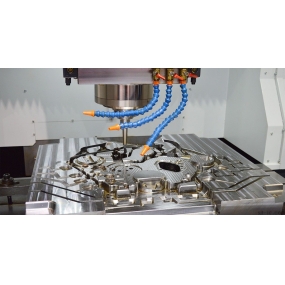
Modern CNC machines use computer-controlled tools that reduce human error and improve consistency. However, precision also depends on:
- Machine calibration and maintenance
- Tool selection and wear control
- Proper cutting speed and feed rate
- Stable fixture and workpiece positioning
Without proper control, aluminum parts may suffer from deformation, poor surface finish, or dimensional errors.
Common Applications of Aluminum CNC Machined Parts
The applications of aluminum parts made by CNC machining are extremely broad. Aluminum is used wherever lightweight strength and precision are needed.
- Automotive engine and structural components
- Aerospace brackets and housings
- Electronic device enclosures and heat sinks
- Industrial machine parts
- Medical device components
Because of its flexibility, aluminum CNC machining supports both prototype development and large-scale production.
Quality Assurance in Aluminum Parts CNC Machining
Reliable production depends on strict inspection and process control. Quality assurance in aluminum parts CNC machining ensures that every part meets technical drawings and customer expectations.
A strong quality system usually includes:
- Incoming material inspection
- In-process dimensional checks
- Final inspection using precision measuring tools
- Surface finish evaluation
- Documentation and traceability
This helps reduce defects, improve consistency, and ensure long-term product reliability.
Choosing the Right CNC Machining Partner
Many buyers face problems such as delayed delivery, unstable quality, or unclear communication. These issues often come from choosing an inexperienced supplier.
A reliable partner should provide not only machining capability but also engineering support, material guidance, and quality control assurance.
EMAR offers professional aluminum parts CNC machining services designed to meet high precision requirements. With advanced CNC equipment and a strict quality management system, EMAR supports customers from prototype development to mass production. The focus is always on stable quality, fast response, and cost-effective manufacturing solutions.
Conclusion
Aluminum Parts CNC Machining plays a key role in modern manufacturing due to its efficiency, flexibility, and precision. By understanding material selection, machining control, and quality assurance, buyers can significantly reduce production risks and improve product performance.
Whether you are developing prototypes or scaling up production, working with an experienced supplier like EMAR can help ensure better accuracy, stable quality, and smoother project execution.