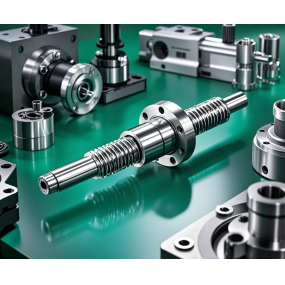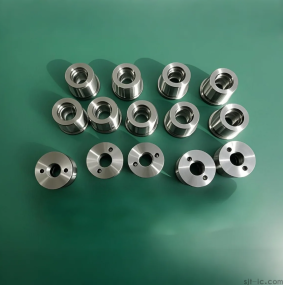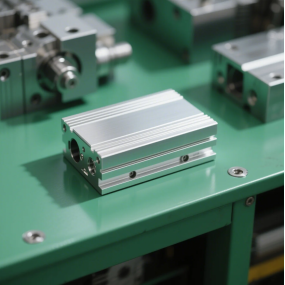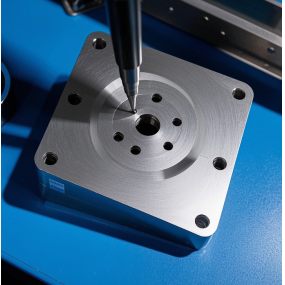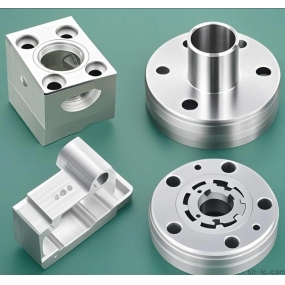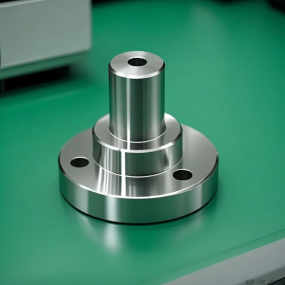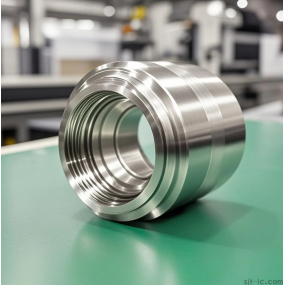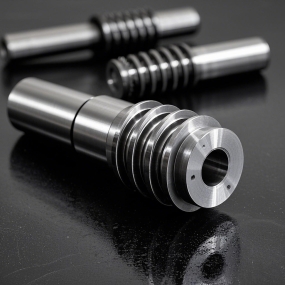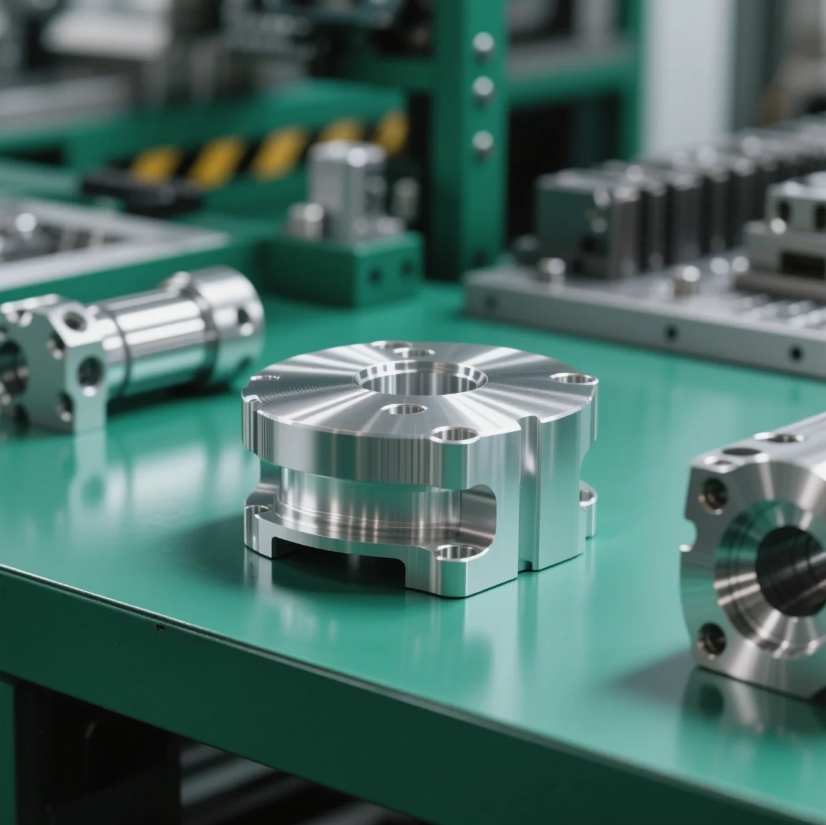
Non-standard CNC Precision Parts Machining is an essential manufacturing solution for industries that need custom parts with unique shapes, special functions, and extremely high accuracy. Unlike standard parts that follow common sizes and designs, non-standard precision parts are made according to specific customer requirements. They are widely used in aerospace, medical equipment, automotive, automation, electronics, energy, and industrial machinery.
Many engineers and buyers face challenges when ordering custom precision parts. Common concerns include how to create a manufacturable design, how to choose the right material, how to control machining costs, and how to ensure consistent quality. CNC Machining has become the preferred method because it can produce complex geometries with high precision, excellent repeatability, and flexible production capability.
Many advanced products cannot use standard components because they require special dimensions, unusual structures, or unique performance characteristics. Non-standard precision parts allow manufacturers to develop customized solutions that improve product performance and solve specific engineering problems.
For example, aerospace components often require lightweight but strong structures. Medical devices need highly accurate parts with excellent surface quality. Automation equipment may require custom connectors, brackets, shafts, and mechanical parts that perfectly match the system design.
The ability to produce these customized components quickly and accurately gives companies a competitive advantage. CNC machining is the go-to manufacturing method because CNC machines can follow digital designs and produce complex parts with tight tolerances while maintaining stable quality.
Design challenges in non-standard CNC machining usually appear because every part has different requirements. Engineers must consider not only the final shape but also machining limitations, assembly requirements, and performance expectations.
Non-standard parts often include irregular surfaces, deep cavities, thin walls, small holes, curved structures, or multi-angle features. These designs can be difficult to manufacture because traditional machining methods may not reach certain areas or maintain the required accuracy.
CNC machining solves this problem by using advanced multi-axis equipment. Five-axis CNC machines, for example, can approach parts from different angles and reduce the need for multiple setups, improving accuracy and efficiency.
Custom precision parts usually need to work together with other components. A small dimensional error may cause assembly problems, vibration, leakage, or reduced product performance.
During the design stage, engineers must consider:
Modern CAD/CAM software plays an important role in solving non-standard part design problems. Engineers can create accurate 3D models, check possible design issues, and prepare optimized machining programs before production begins.
CAD/CAM technology helps manufacturers by:
Experienced CNC manufacturers such as EMAR use advanced engineering methods and machining technologies to help customers transform difficult concepts into reliable precision parts.
Material selection for non-standard parts directly affects the performance, service life, and machining cost of the final product. The best material depends on the working environment, mechanical requirements, and production needs.
Engineers usually evaluate materials based on:
Alloy steels are widely used because they provide excellent strength, wear resistance, and toughness. They are suitable for gears, shafts, mechanical structures, and high-load components.
Titanium alloys are popular in aerospace and medical applications because they offer a high strength-to-weight ratio, excellent corrosion resistance, and good biocompatibility. However, titanium requires careful tool selection and cutting control because it is more difficult to machine.
Engineering plastics, such as PEEK and nylon, are used when lightweight, chemical resistance, electrical insulation, or low friction is needed. They are commonly found in medical devices, electronics, and automation systems.
Machining processes in non-standard precision parts require careful planning because custom components often combine complex shapes with strict tolerance requirements. Manufacturers normally use several machining stages to achieve the required accuracy and surface quality.
Rough machining is the first major step. Its purpose is to quickly remove excess material from the raw workpiece while keeping the basic shape of the final part.
Common tools include:
Recommended parameters depend on the material, but rough machining usually uses higher cutting depths and feed rates to maximize material removal efficiency. Proper coolant application helps control heat and improve tool life.
After rough machining, finishing processes improve dimensional accuracy and surface quality.
Grinding is used when extremely tight tolerances and smooth surfaces are required. It is commonly applied to precision shafts, molds, and mechanical contact surfaces.
Grinding wheels, suitable abrasives, and controlled grinding speeds help achieve high accuracy without damaging the part surface.
Polishing improves surface smoothness and appearance. It is often used for parts requiring reduced friction, better sealing performance, or a high-quality finish.
EDM is suitable for machining hard materials and complex features that are difficult to cut with traditional tools. It uses electrical sparks to remove material and can produce fine details, narrow slots, and deep cavities.
Handling challenges in non-standard machining requires advanced equipment, experienced operators, and strict process management. Because every custom part is different, manufacturers must carefully control each production stage.
Small dimensional errors can affect product performance. Manufacturers use high-precision measuring equipment, including coordinate measuring machines (CMM), laser measurement systems, and digital inspection tools, to check dimensions during production.
Tool wear can reduce accuracy and create inconsistent results. Practical solutions include:
Non-standard parts require stable processes. Manufacturers improve consistency through standardized machining procedures, operator training, machine maintenance, and detailed production records.
Custom precision parts do not always need to be expensive. Several factors influence the total machining cost, including design complexity, material price, machining time, and production quantity.
Professional CNC suppliers can help customers balance quality, performance, and cost. EMAR provides customized CNC precision machining solutions by combining engineering support, efficient production planning, and strict process control.
Quality control in non-standard CNC parts is critical because custom components often support important systems where failure is unacceptable. Reliable manufacturers use multiple inspection methods throughout production.
Quality checks are performed at different stages, including:
Finished parts may undergo:
Professional manufacturers follow relevant industry standards and quality systems to ensure reliability. Depending on the application, parts may need to meet requirements from aerospace, medical, automotive, or industrial sectors.
Successful Non-standard CNC Precision Parts Machining requires more than advanced machines. It needs strong engineering knowledge, accurate process planning, suitable materials, and strict quality management.
A reliable CNC machining partner can support customers from the initial design review to final inspection. Companies like EMAR focus on customized precision machining services, helping customers produce complex non-standard parts with reliable accuracy, efficient production, and consistent quality.
By combining modern CNC technology, experienced engineers, and professional quality control systems, manufacturers can deliver non-standard precision parts that meet demanding requirements across many industries.