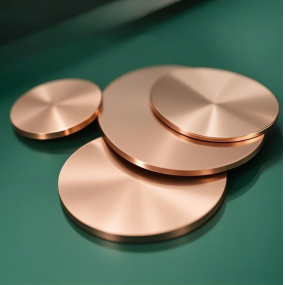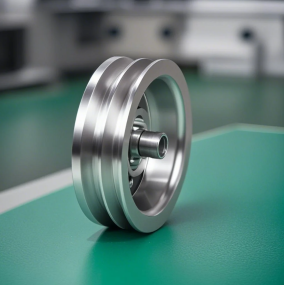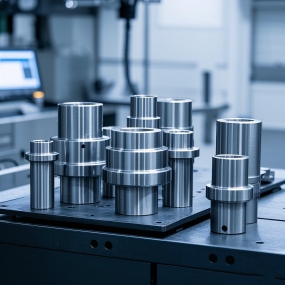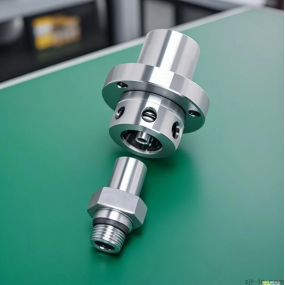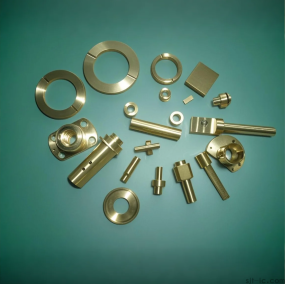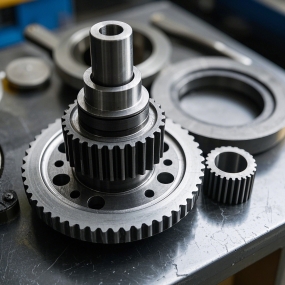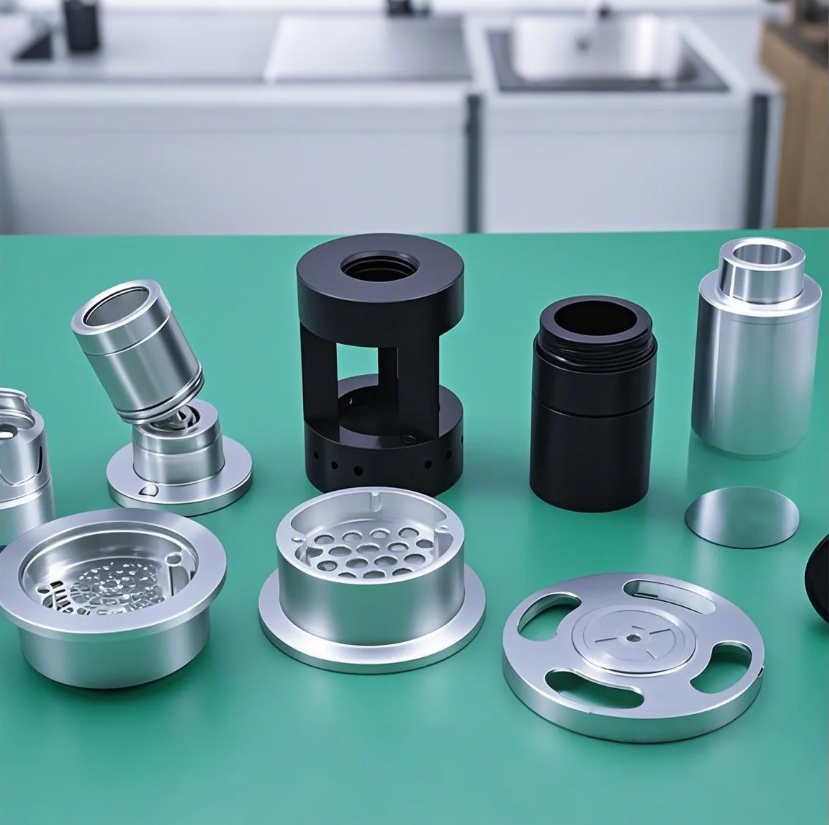
CNC Machining of Aluminum Products is widely used in industries that need lightweight, accurate, and reliable parts. From automotive components and aerospace structures to consumer products, CNC machining helps manufacturers create aluminum parts with tight tolerances, complex shapes, and consistent quality.
Many customers have common concerns before starting an aluminum machining project. They want to know how to achieve high precision, how to get a smooth surface finish, and how to control production costs. A professional CNC machining process can solve these problems through proper design, suitable aluminum alloy selection, advanced machining methods, and strict quality control.
Aluminum is one of the most popular materials for CNC machining because it offers an excellent balance of weight, strength, and machinability. Compared with many other metals, aluminum is easier to cut, allowing manufacturers to produce parts faster while maintaining high accuracy.
For companies that need reliable aluminum components, working with an experienced machining partner can reduce production risks. EMAR provides professional CNC machining services with advanced equipment, skilled engineers, and a customer-focused process to support projects from prototype development to mass production.
Good design is the foundation of successful aluminum machining. Before production begins, engineers must understand how the final product will be used. A part designed for an automotive system may require high strength and vibration resistance, while an aerospace component may focus more on weight reduction and reliability. Consumer products may require both excellent appearance and comfortable surface finishes.
When creating design tips for CNC-made aluminum products, several aluminum characteristics should be considered:
Designers should also consider tool access, wall thickness, corner radius, and clamping methods. Proper design reduces machining difficulty, prevents deformation, and helps control costs.
Choosing the correct material is an important step in CNC machining. Different aluminum alloys provide different levels of strength, corrosion resistance, machinability, and cost performance.
Selecting aluminum alloys for product machining requires understanding the working environment and product requirements.
For cost-sensitive projects, selecting an alloy with enough performance but without unnecessary material advantages can significantly reduce expenses.
Different machining operations are used depending on the shape and function of the aluminum part.
CNC milling is one of the most common methods for aluminum products. It can create flat surfaces, slots, pockets, complex contours, and precision features.
For aluminum milling, manufacturers usually use sharp carbide tools because aluminum is soft and can stick to cutting edges. Typical cutting conditions include:
CNC turning is mainly used for cylindrical aluminum parts such as shafts, rings, and housings. The rotating workpiece allows the cutting tool to remove material accurately and efficiently.
Drilling creates accurate holes for assembly and connection purposes. Aluminum drilling requires sharp drills and proper lubrication to prevent chip buildup.
Some aluminum products may require additional operations such as thread cutting, engraving, precision boring, or thin-wall machining. These processes require experienced operators to maintain dimensional accuracy.
Burrs are small unwanted edges created during cutting. They can affect assembly, appearance, and product safety.
Dealing with burrs in CNC-machined aluminum products requires proper cutting conditions, sharp tools, and suitable finishing methods. Manufacturers can reduce burr formation by:
Because aluminum is lightweight and relatively soft, thin parts may bend during machining. Proper support, suitable clamping methods, and balanced material removal help prevent deformation.
Temperature changes, tool wear, and incorrect machining parameters can affect accuracy. Professional manufacturers monitor machining conditions and inspect parts throughout production to maintain consistent dimensions.
After machining, aluminum parts often receive additional treatments to improve performance and appearance.
Post-machining procedures for CNC-machined aluminum products may include:
The correct finishing method depends on the product's working environment, appearance requirements, and durability needs.
Strict quality control is essential for producing reliable aluminum parts. A professional CNC machining supplier should verify every important aspect of the product before delivery.
Quality control in aluminum product CNC machining usually includes:
Choosing the right CNC machining partner is important for achieving accurate, cost-effective, and reliable aluminum products. EMAR combines modern CNC equipment, experienced engineers, and professional production management to handle aluminum machining projects with different requirements.
From material selection and design evaluation to precision machining and quality inspection, EMAR works closely with customers to improve product performance and reduce manufacturing problems. Their customer-friendly approach helps companies achieve better results while controlling production time and costs.
CNC Machining of Aluminum Products provides an effective solution for creating lightweight, precise, and high-quality components across many industries. Success depends on careful design, correct aluminum alloy selection, optimized machining processes, and strict quality control.
By understanding aluminum's unique characteristics and working with an experienced machining provider, companies can produce durable parts with excellent accuracy, surface finish, and cost efficiency.