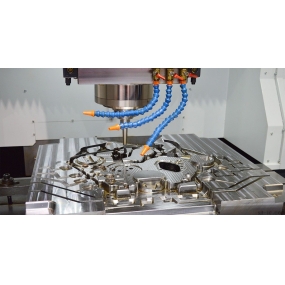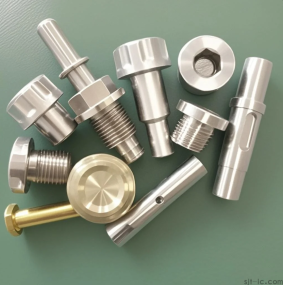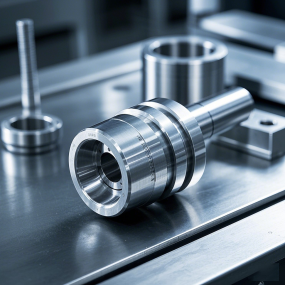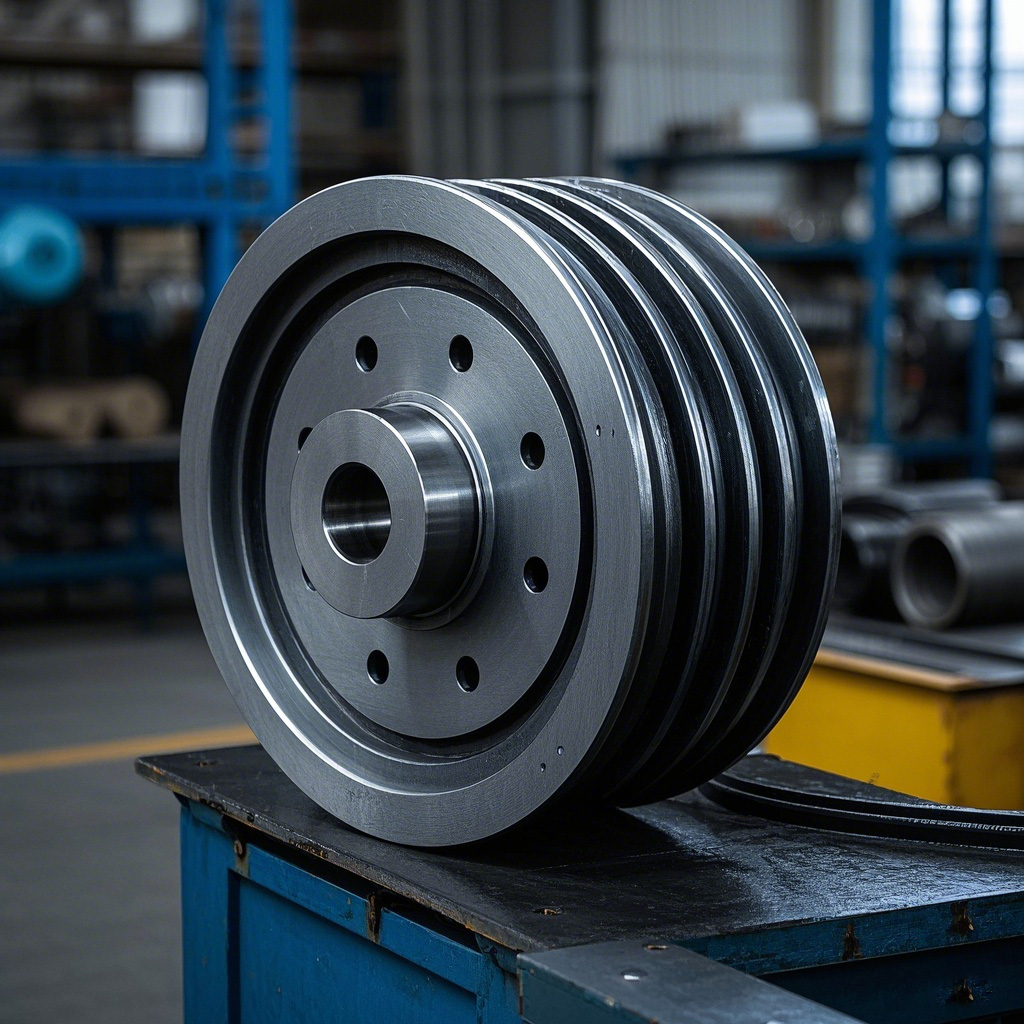
Pulleys are important mechanical components used in many machines and equipment. They help transmit power through belts, change the direction of force, and control rotational speed. A high-quality pulley must have accurate dimensions, smooth surfaces, and reliable performance. Even a small machining error can cause belt vibration, noise, slipping, or reduced machine efficiency.
The CNC Machining Pulley Processing Method? Detailed Process of Pulley Processing involves several precise steps, including material selection, CNC turning, grooving, drilling, milling, and quality inspection. Understanding each step helps manufacturers choose the right processing method, control production costs, and ensure the final pulley meets performance requirements.
Pulleys are widely used in industrial machines, automotive systems, automation equipment, conveyors, and many other mechanical applications. Their main functions include transferring power from one shaft to another, changing the direction of movement, and adjusting the speed ratio between rotating parts.
Because pulleys directly affect belt operation, manufacturing accuracy is extremely important. Incorrect groove dimensions, poor surface finish, or inaccurate shaft holes can lead to belt wear, energy loss, and unexpected equipment downtime.
CNC machining provides higher accuracy and consistency compared with traditional manual pulley manufacturing methods. Traditional machining often depends heavily on operator experience, while CNC machines use programmed instructions to control cutting operations with high repeatability.
The main advantages of CNC pulley machining include:
Professional CNC manufacturers such as EMAR use advanced CNC equipment and manufacturing experience to produce pulleys with reliable accuracy for different industries and applications.
Choosing the correct material is the first important step in pulley manufacturing. Different applications require different mechanical properties, so the material must match the working environment, load requirements, and budget.
Common pulley materials include:
For example, a steel pulley may be the best choice for heavy industrial equipment, while a nylon pulley may be more suitable for automation systems that require quiet operation and low friction.
A detailed pulley design is necessary before CNC machining begins. The blueprint provides all machining requirements and helps engineers create an accurate CNC program.
The pulley drawing usually includes:
CAD software is commonly used to create 2D drawings and 3D models. These digital designs allow engineers to check the pulley structure before production and convert the model into CNC machining instructions.
Turning is one of the most important operations in pulley production. It mainly creates the basic shape of the pulley, including the outer diameter, width, and hub section.
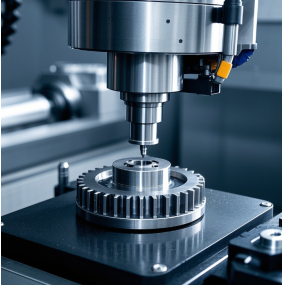
The machining process starts with preparing the raw material. The material is usually a round metal bar or a pre-cast blank. The workpiece is fixed securely on the CNC lathe, and the machine rotates it at a controlled speed.
During rough turning, the CNC cutting tool removes large amounts of unnecessary material quickly. This step creates the approximate pulley shape while improving machining efficiency.
The operator or engineer sets important cutting parameters, including:
Correct parameter settings reduce machining time while preventing excessive tool wear.
After rough turning, finish turning creates the final dimensions and improves surface quality. The CNC machine removes small amounts of material to achieve accurate diameter, width, and surface smoothness.
This step is especially important because the pulley surface must work smoothly with the belt. A poor surface finish may increase friction and accelerate belt damage.
Groove machining determines how well the pulley connects with the belt. Different pulley types require different groove designs.
For V-belt pulleys, CNC machines use specialized grooving tools to cut V-shaped grooves on the pulley surface. The groove angle, depth, and width must be accurately controlled.
If the groove is too narrow or too shallow, the belt may not fit correctly. If it is too wide or deep, the belt may slip and reduce power transmission efficiency.
Timing pulleys require precise tooth-like grooves that match the timing belt. The pitch, tooth profile, and groove depth must be carefully machined to ensure accurate synchronization.
CNC machining is especially suitable for timing pulleys because it can maintain consistent tooth geometry across many parts.
The hub hole connects the pulley with the shaft, so its accuracy directly affects assembly performance. CNC drilling ensures the hole diameter, position, and alignment meet design requirements.
Machining parameters such as drill diameter, spindle speed, and feed rate are selected according to the pulley material.
Many pulleys require a keyway to lock the pulley onto the shaft and prevent rotation between the shaft and pulley. CNC milling machines create the keyway with accurate width, depth, and length.
Some pulley designs use bolts for installation. CNC drilling creates bolt holes at the correct positions and spacing, ensuring easy assembly and stable operation.
Quality inspection during machining helps detect problems before the pulley is completed. Manufacturers use precision measuring tools such as:
Important inspection points include:
After machining, the finished pulley undergoes final inspection. The quality team checks surface finish, removes burrs, verifies dimensions, and confirms that the pulley meets customer requirements.
For high-speed applications, dynamic balancing may also be performed. Proper balancing reduces vibration and improves machine operating life.
Following international manufacturing standards, including ISO-related quality practices, helps ensure CNC pulleys deliver stable performance. Companies with professional CNC experience, such as EMAR, use strict inspection procedures to maintain consistent product quality.
The cost-effectiveness of CNC pulley production depends greatly on machining efficiency. Proper selection of cutting tools and machining parameters can reduce production costs while maintaining quality.
Effective cost control methods include:
For example, selecting a tool designed for hardened steel can reduce tool replacement frequency when producing heavy-duty steel pulleys.
Production quantity also affects pulley processing costs. Large-volume production benefits from lower average costs because setup time and programming costs are shared across many parts.
For small-batch production, manufacturers can reduce costs by using efficient CNC programming, quick-change tooling systems, and flexible machining processes.
Flat pulleys have a simple flat surface designed for flat belt transmission. Their machining process mainly focuses on achieving accurate diameter, correct width, and a smooth surface finish.
Because flat pulleys have a simpler structure, CNC turning is usually the main machining process.
Crowned pulleys have a slightly curved or raised center surface. This special shape helps keep the belt centered and prevents it from moving off the pulley during operation.
The machining of crowned pulleys requires precise control of the curved profile. CNC turning creates the crown shape through carefully programmed tool movements.
Accurate machining is essential because an incorrect crown profile may reduce belt stability instead of improving it.
The CNC Machining Pulley Processing Method? Detailed Process of Pulley Processing includes material selection, design preparation, CNC turning, grooving, drilling, milling, and strict quality inspection. Each step affects the final performance, durability, and cost of the pulley.
By selecting suitable materials, optimizing machining processes, and applying professional quality control, manufacturers can produce pulleys that operate smoothly and reliably. Experienced CNC machining suppliers like EMAR can provide customized pulley solutions for different applications, from simple flat pulleys to complex timing pulleys.