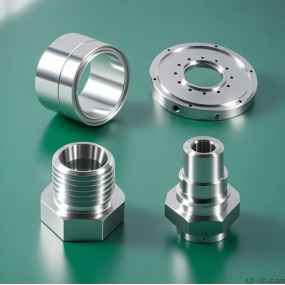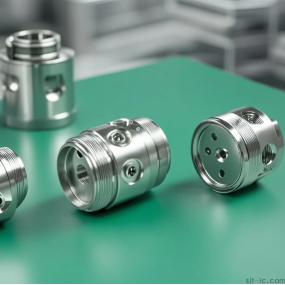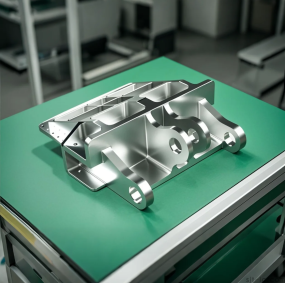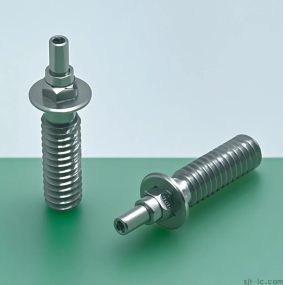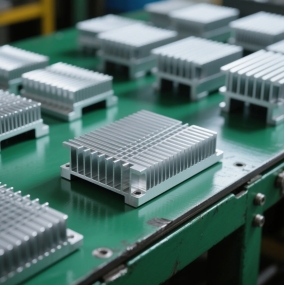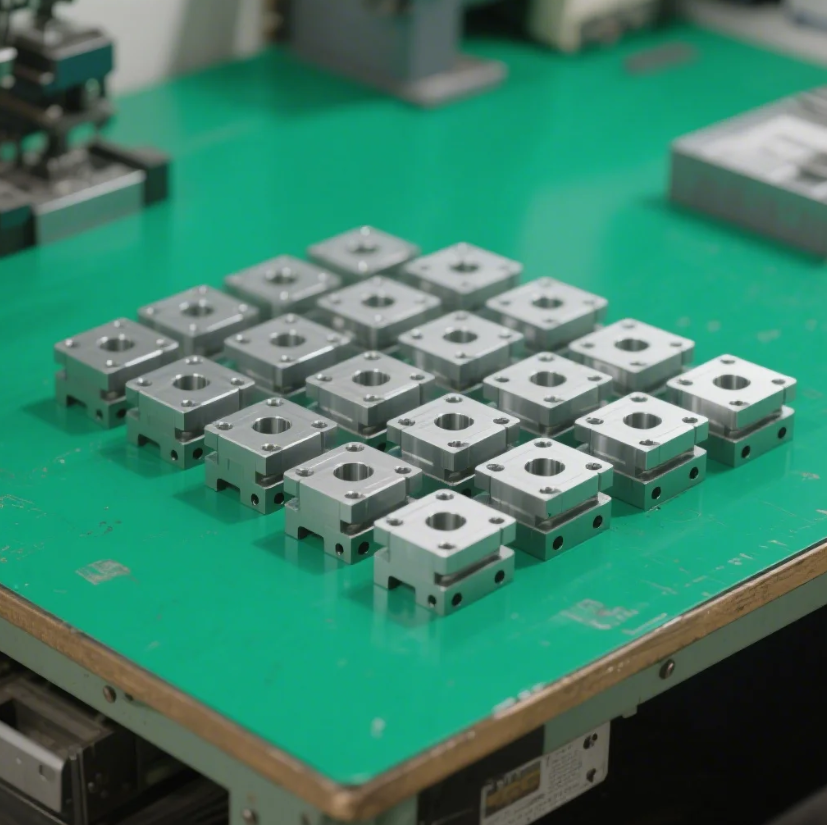
CNC Metal Aluminum Parts Machining is widely used in industries such as aerospace, automotive, electronics, medical equipment, and industrial machinery. Aluminum is a popular choice because it is lightweight, strong, corrosion-resistant, and easy to process. However, achieving accurate and reliable aluminum parts requires the right machining process, suitable tools, strict quality control, and professional manufacturing experience.
For companies looking for precision aluminum components, understanding how CNC aluminum machining works can help reduce production risks, control costs, and select the right manufacturing partner. This guide explains the key factors involved in producing high-quality CNC aluminum parts.
CNC metal aluminum parts machining is a manufacturing process that uses computer-controlled machines to remove material from aluminum blocks, plates, or bars to create precise components. The CNC system controls cutting tools according to digital CAD drawings, allowing manufacturers to produce complex shapes with high accuracy.
Compared with traditional manual machining, CNC Machining provides better repeatability, faster production, and more consistent quality. It is suitable for both prototype development and large-volume production.
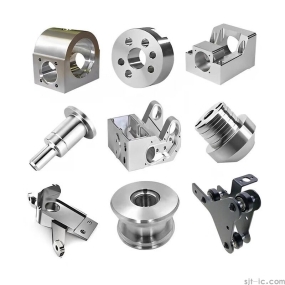
Common CNC aluminum parts include:
Understanding the steps in CNC machining of aluminum parts helps customers know what happens from design to final delivery. A professional machining process usually includes the following stages:
Companies with strong engineering support, such as EMAR, can help customers optimize designs, select suitable machining methods, and improve production efficiency throughout the entire process.
Choosing the correct aluminum alloy is important because different materials have different machining behaviors. Understanding aluminum material properties for machining helps manufacturers achieve better performance and lower production problems.
Important aluminum characteristics include:
Common aluminum alloys used in CNC machining include 6061 aluminum, 7075 aluminum, 5052 aluminum, and 2024 aluminum. The best choice depends on the final application, mechanical requirements, and budget.
Proper tool selection directly affects machining speed, surface quality, and production costs. The right tooling for CNC aluminum parts machining helps prevent problems such as poor surface finishes, excessive tool wear, and inaccurate dimensions.
Important tooling considerations include:
Experienced CNC manufacturers carefully adjust machining parameters according to the aluminum alloy, part design, and required tolerance. This approach improves efficiency while maintaining consistent quality.
Precision is one of the most important requirements for CNC aluminum components. Strong quality control in CNC aluminum parts machining ensures that every part meets customer expectations and industry standards.
Professional CNC machining factories usually use several inspection methods, including:
A reliable manufacturer such as EMAR focuses on process control, advanced CNC equipment, and inspection procedures to provide stable aluminum machining results for different industries.
Many customers are concerned about production costs when ordering custom aluminum parts. Understanding the cost-related aspects in CNC aluminum parts machining can help companies make better decisions.
The main factors affecting CNC aluminum machining costs include:
To reduce costs, customers can optimize part designs, choose suitable tolerances, plan production quantities carefully, and work with an experienced CNC supplier. EMAR supports customers by combining manufacturing expertise with efficient production methods to achieve a balance between quality and cost.
Selecting the right CNC machining supplier is important for achieving reliable results. A capable partner should provide:
EMAR has experience in CNC metal aluminum parts machining and supports customers with precision manufacturing solutions, from design evaluation and material selection to machining, inspection, and final delivery. By focusing on quality, efficiency, and customer requirements, EMAR helps businesses produce dependable aluminum components for various applications.
CNC Metal Aluminum Parts Machining offers an efficient way to produce lightweight, accurate, and durable metal components. Successful aluminum machining depends on understanding the machining process, selecting the right material, using proper tooling, maintaining strict quality control, and managing production costs.
Whether for prototypes or large-scale manufacturing, working with an experienced CNC machining provider can help improve product quality, shorten development time, and create better long-term value.