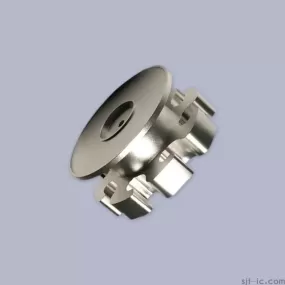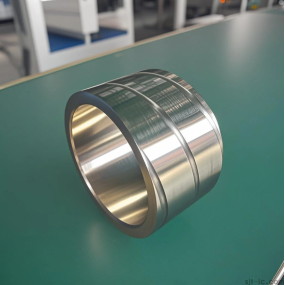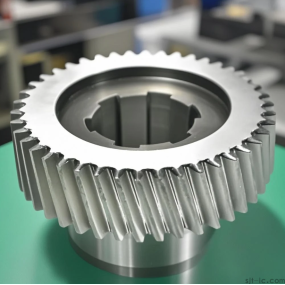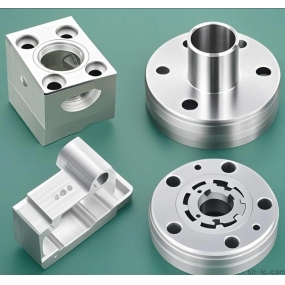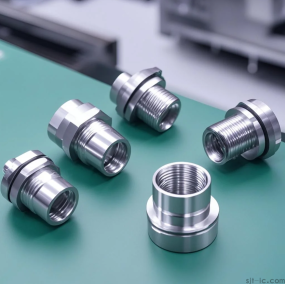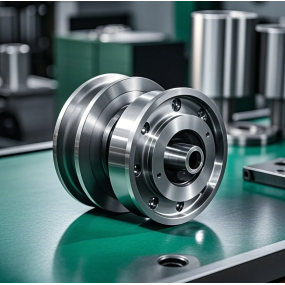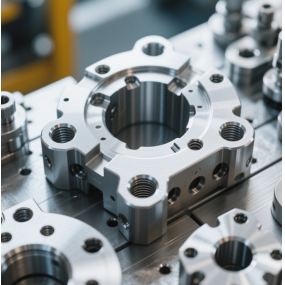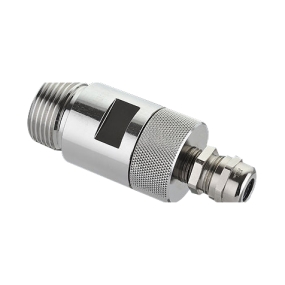

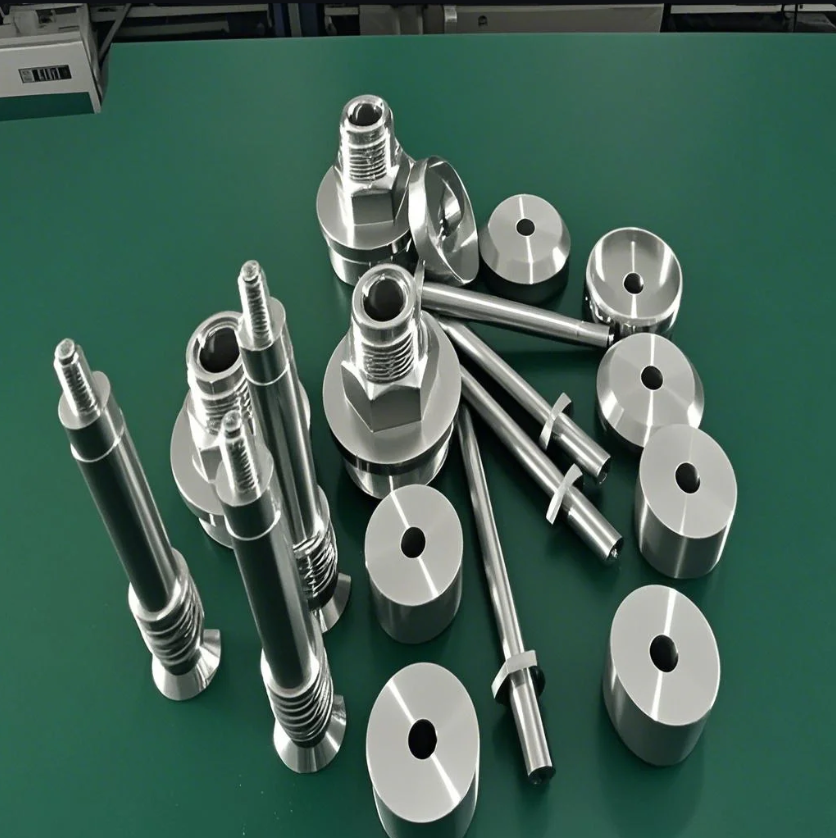
CNC Product Mass Production is an effective solution for companies that need large quantities of accurate and reliable parts. Many manufacturers worry about production costs, inconsistent quality, slow delivery times, and difficulties with complex product designs. With advanced CNC Machining technology, businesses can produce thousands or even millions of parts while maintaining stable quality and efficient production.
CNC machining is widely used in industries such as automotive, electronics, medical equipment, aerospace, industrial machinery, and consumer products. By using computer-controlled machines, manufacturers can achieve high precision, repeatable results, and efficient material usage. A professional CNC manufacturing partner, such as EMAR, combines advanced equipment, experienced engineers, strict inspection systems, and optimized production management to support reliable mass production projects.
CNC machining is a strong choice for mass production because it provides consistent performance throughout long production runs. Unlike manual machining, CNC machines follow programmed instructions, reducing human errors and improving part-to-part consistency.
For companies looking for long-term production solutions, CNC machining provides a balance between speed, accuracy, and cost control.
Successful CNC Product Mass Production starts with careful preparation before manufacturing begins. Poor planning can lead to higher costs, production delays, and quality problems. Pre-production planning for CNC mass production helps manufacturers identify possible issues early and create an efficient production strategy.
The product design stage directly affects the efficiency of mass production. Engineers need to review the design carefully and consider:
A design that is easy to manufacture can reduce machining time, lower material waste, and improve overall production efficiency. Experienced CNC manufacturers can provide design suggestions to improve manufacturability before production starts.
The choice of material has a major impact on product performance, production cost, and manufacturing efficiency. Material selection in CNC product mass production requires careful consideration of several factors.
Common CNC mass production materials include aluminum alloys, stainless steel, carbon steel, brass, copper, and engineering plastics. Selecting the right material helps manufacturers achieve reliable performance while controlling production expenses.
Proper machine setup is essential for stable high-volume manufacturing. Optimizing CNC machines for mass production involves several important steps, including programming, tooling selection, and fixture design.
Professional CNC programming ensures that machines follow accurate machining paths. Engineers create optimized programs that reduce unnecessary movements, shorten cycle times, and maintain product accuracy.
The right cutting tools improve machining efficiency and product quality. Manufacturers must select tools based on material type, part design, and production volume. Long production runs require careful tool management to prevent sudden failures and quality problems.
Fixtures hold parts securely during machining. A well-designed fixture improves positioning accuracy, reduces setup time, and allows operators to produce more parts efficiently.
Finding the correct machining parameters is important for balancing production speed and product quality. Key parameters include:
Engineers continuously adjust these settings based on material characteristics, machine capability, and inspection results. This approach helps achieve faster production while maintaining consistent part quality.
Tool wear is a common challenge in large-scale CNC manufacturing. Worn tools can cause dimensional errors and poor surface finishes. Regular tool inspections, scheduled replacement plans, and proper cutting parameter control help maintain stable production.
Producing thousands of identical parts requires strong quality management systems. Quality control in CNC product mass manufacturing ensures that every batch meets customer requirements.
Effective quality control methods include:
Manufacturers like EMAR use strict inspection procedures and advanced manufacturing technologies to improve consistency and reliability in CNC mass production projects.
Large orders require careful production planning. Manufacturers need to coordinate machine capacity, material supply, workforce arrangements, and delivery schedules. Efficient production management helps prevent delays and ensures customers receive products on time.
Production does not end after machining. Post-production processes in CNC mass production are important for protecting products and preparing them for delivery.
A reliable CNC manufacturing partner can make a major difference in production success. Companies should evaluate a supplier's machine capabilities, engineering experience, quality systems, and production management ability.
EMAR provides professional CNC Product Mass Production services with advanced machining equipment, experienced technical teams, strict quality control processes, and efficient manufacturing management. By focusing on precision, reliability, and customer requirements, EMAR helps businesses transform product designs into stable, high-volume production solutions.
CNC Product Mass Production allows businesses to produce high-quality parts efficiently while controlling costs and maintaining consistency. Successful mass production depends on careful planning, suitable material selection, optimized machine setup, effective quality control, and organized post-production management.
With the right manufacturing strategy and an experienced CNC partner, companies can achieve faster production, reliable quality, and long-term cost advantages in competitive markets.