CNC lathe machining of small accessories is an important manufacturing process used to produce accurate and reliable small metal parts for many industries. These accessories can be found in electronics, medical devices, automobiles, aerospace equipment, optical products, and industrial machines. Although small parts may look simple, producing them requires careful material selection, precise design, suitable machining methods, and strict quality control.
For companies that need large quantities of small precision parts, choosing an experienced CNC Machining supplier is essential. A professional manufacturer can help improve part quality, reduce production costs, and avoid problems during assembly. EMAR provides CNC lathe machining services for small accessories with strong machining experience, advanced equipment, and strict inspection systems to deliver consistent and cost-effective solutions.
CNC lathe machining uses computer-controlled machines to rotate a workpiece while cutting tools remove material to create the required shape. Compared with traditional manual machining, CNC lathes offer higher accuracy, better repeatability, and faster production for small components.
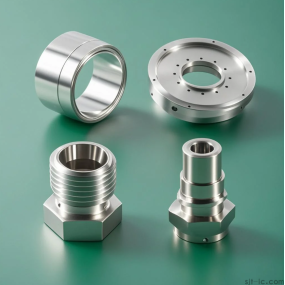
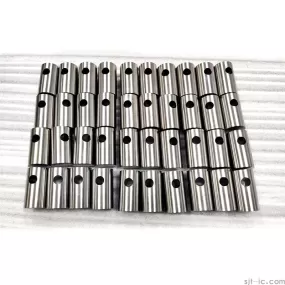
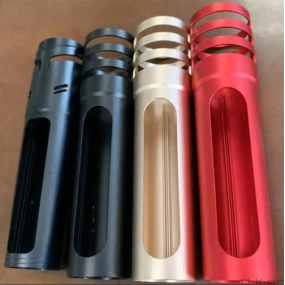
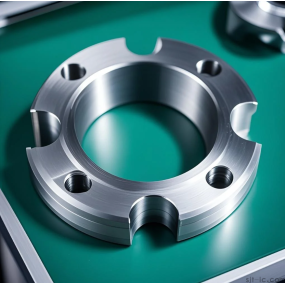
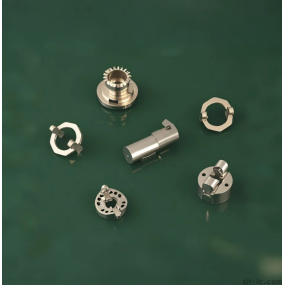
Small accessories made through CNC lathe machining may include:
The main advantage of CNC lathe machining of small accessories is the ability to produce complex shapes with tight dimensions while maintaining stable quality during mass production.
Material selection in CNC lathe machining of small accessories directly affects the part’s strength, durability, appearance, machining difficulty, and final cost. Different applications require different metal properties.
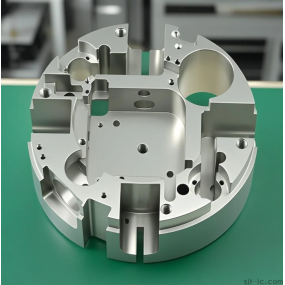
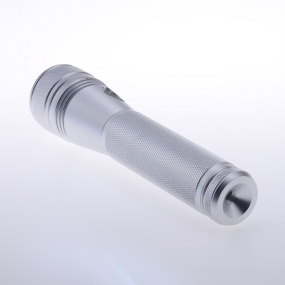
Aluminum is one of the most popular materials for small CNC lathe parts. It is lightweight, corrosion-resistant, and easy to machine. Aluminum is often used for electronic housings, connectors, lightweight mechanical parts, and prototypes.
Main advantages of aluminum include:
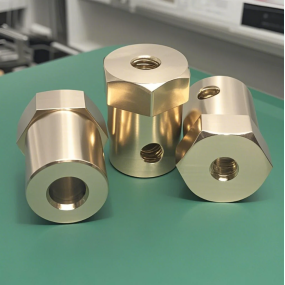
Brass is widely used for small accessories that require good electrical conductivity and smooth machining. It is commonly found in valves, electrical connectors, and decorative components.
Brass provides:
Stainless steel is selected when parts need high strength and corrosion resistance. It is commonly used for medical components, food equipment parts, and industrial accessories.
Benefits of stainless steel include:
When selecting materials, manufacturers should consider the working environment, required strength, production quantity, surface requirements, and machining cost.
Design considerations for CNC lathe-machined small accessories are important because small parts often have strict size limits and require high accuracy. A good design helps reduce machining difficulty and improves production efficiency.
Small accessories often need accurate dimensions because they may be installed with other precision components. Designers should clearly define:
For example, a small threaded connector used in medical equipment may require very accurate thread dimensions to ensure a secure connection.
Small parts have limited working space, so the design must consider tool access, material thickness, and part stability during machining.
Good design practices include:
Working with an experienced CNC manufacturer during the design stage can help identify possible machining problems before production begins.
Machining techniques for small accessories in CNC lathe include several basic operations that create accurate shapes and functional features.
Turning is the main CNC lathe process. During turning, a cutting tool removes material from the rotating workpiece to create round shapes.
For small accessories, turning is commonly used to produce:
Threading creates screw threads on small components. Accurate threading is important for parts such as fasteners, connectors, and fittings.
CNC lathes can produce consistent internal and external threads, helping small accessories fit correctly during assembly.
Facing removes material from the end of a workpiece to create a flat surface. This operation improves part length accuracy and provides a smooth connection surface.
For example, a small metal spacer may require precise facing on both ends to ensure correct installation.
Tooling for CNC lathe machining of small accessories plays a major role in achieving accuracy and surface quality. Because small parts have limited working space, specialized cutting tools are often required.
Common tooling choices include:
The correct tool selection depends on the material, part size, required accuracy, and production volume. Using the wrong tool can cause poor surface quality, tool wear, or part damage.
Professional manufacturers like EMAR carefully select cutting tools and machining parameters to improve efficiency while maintaining high-quality results for small accessories.
Quality control in CNC lathe machining of small accessories ensures that every part meets customer requirements. Since small components are often used in precision products, even a small dimensional error can affect performance.
Manufacturers use professional measuring equipment to check part dimensions. Common inspection methods include:
A smooth surface is important for appearance, assembly, and performance. Surface inspection helps confirm that parts meet required finishing standards.
Quality checks may include:
Reliable CNC machining suppliers maintain inspection records and production controls to ensure stable quality from prototype production to large orders.
A small brass connector used in electronic equipment is a good example of CNC lathe machining of small accessories. The process usually includes:
This process allows manufacturers to produce thousands of identical connectors with reliable performance.
When selecting a supplier for small accessories, customers should consider:
EMAR specializes in CNC machining services for precision small accessories. With professional engineers, modern CNC equipment, and strict quality management, EMAR helps customers create reliable parts for different industries. The company focuses on accurate machining, efficient production, and practical solutions that balance quality and cost.
CNC lathe machining of small accessories requires careful planning from material selection to final inspection. Choosing suitable metals such as aluminum, brass, and stainless steel, designing parts for machining efficiency, applying proper turning techniques, selecting the right tools, and maintaining strict quality control are all important steps.
For businesses that need dependable small precision components, working with an experienced CNC machining provider can reduce risks and improve product performance. With professional knowledge and advanced manufacturing capabilities, companies like EMAR provide effective solutions for high-quality small accessory production.