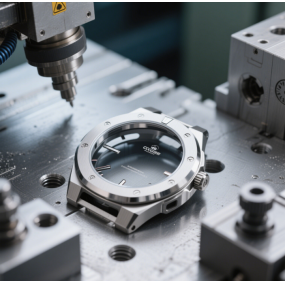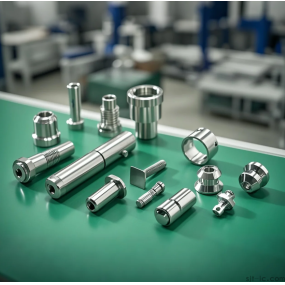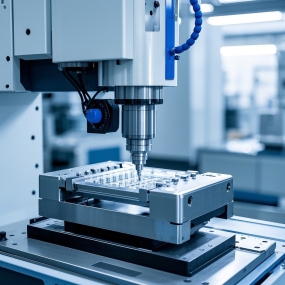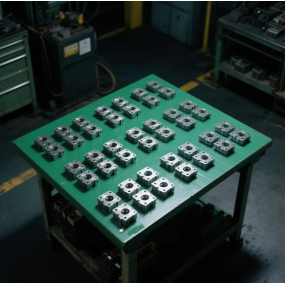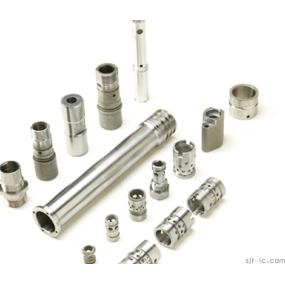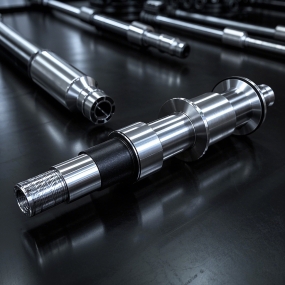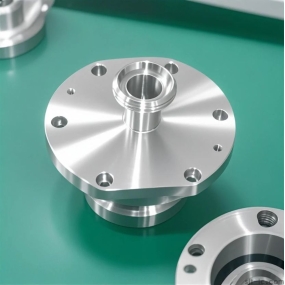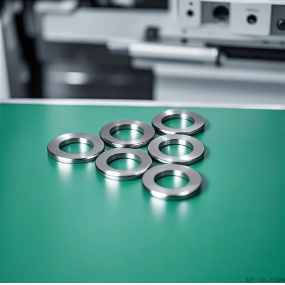

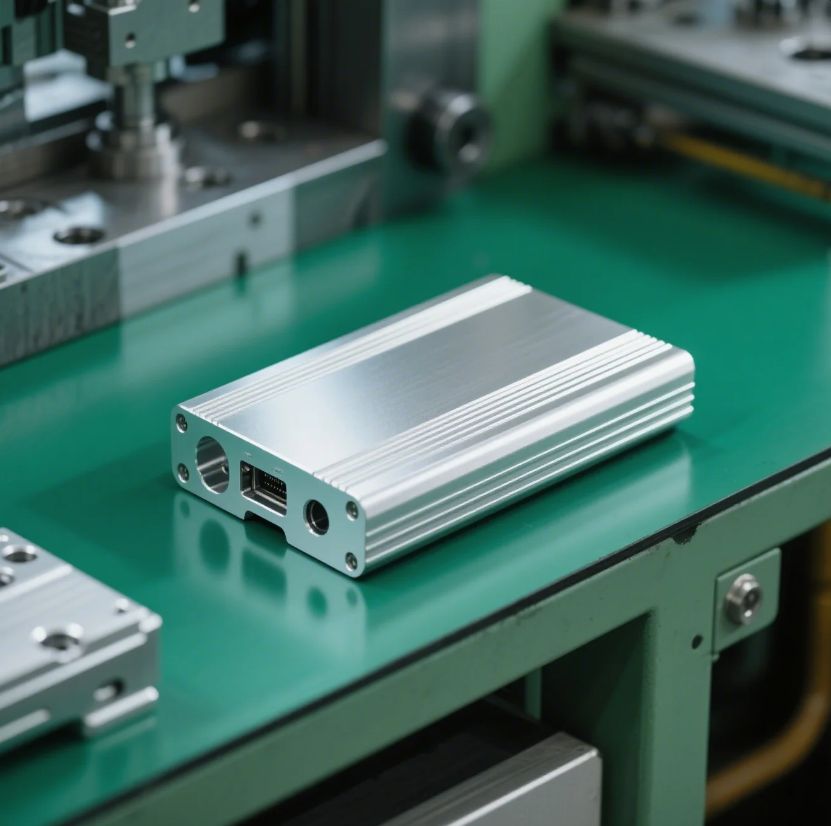
CNC Metal Parts Machining is one of the most reliable manufacturing methods for producing accurate and durable metal components. From automotive parts and aerospace components to medical devices and industrial equipment, CNC Machining helps manufacturers create complex metal parts with high precision and consistent quality.
Many customers have common concerns before starting a CNC machining project. They want to know which metal is the best choice, how accurate the final parts will be, whether the cost is reasonable, and how quality can be guaranteed. Understanding the machining process, material options, and quality control methods can help make better decisions and reduce production risks.
CNC machining uses computer-controlled machines to remove material from a metal workpiece and create the required shape. Compared with traditional manual machining, CNC technology offers better accuracy, repeatability, and production efficiency.
The main advantages of CNC Metal Parts Machining include:
For industries that require reliable metal components, CNC machining provides a balance between accuracy, speed, and cost control.
Choosing the correct metal is one of the most important steps in CNC manufacturing. The material affects strength, weight, corrosion resistance, machining difficulty, and final cost. Proper material selection in CNC metal machining helps ensure the part performs well in its working environment.
Steel is one of the most widely used materials in CNC machining because of its excellent strength and durability.
Carbon steel contains mainly iron and carbon. It provides good strength, hardness, and affordability. It is commonly used for machine parts, brackets, shafts, and structural components.
Alloy steel includes additional elements such as chromium, nickel, or molybdenum. These elements improve hardness, wear resistance, and toughness. Alloy steel is often selected for high-load applications such as gears, automotive parts, and industrial tools.
Aluminum is a popular choice for CNC Metal Parts Machining because it is lightweight, easy to machine, and naturally corrosion resistant.
Common aluminum alloys such as 6061 and 7075 are widely used in aerospace parts, automotive components, electronics housings, and precision equipment.
Titanium is selected when high strength, low weight, and excellent corrosion resistance are required.
However, titanium is more difficult to machine because it produces high cutting temperatures and can cause faster tool wear.
Copper is known for its excellent electrical and thermal conductivity. It is often used for electrical components, connectors, heat exchangers, and precision parts.
Different CNC operations are used depending on the part design, material, and required surface quality. Each process requires suitable tools and optimized machining parameters.
Milling operations in CNC metal parts are among the most common machining processes. Milling uses rotating cutting tools to remove material and create flat surfaces, slots, pockets, holes, and complex contours.
Common milling machines include:
Recommended cutting parameters depend on the metal type:
Turning is used to manufacture cylindrical components such as shafts, pins, bushings, and threaded parts. During turning, the workpiece rotates while a cutting tool removes material.
Suitable tools include carbide inserts and specialized cutting tools designed for different metals.
Drilling creates accurate holes for assembly, fasteners, and fluid channels. CNC drilling can produce consistent hole sizes and positions.
Common tools include high-speed steel drills and carbide drills. Cutting speed, feed rate, and cooling must be adjusted according to the material.
Grinding is a finishing operation used when extremely smooth surfaces and tight tolerances are required.
Handling tool wear in CNC metal machining is important because worn tools can reduce accuracy, damage surfaces, and increase production costs.
Common causes include hard materials, excessive cutting speed, poor cooling, and incorrect tool selection.
Solutions include:
During machining, friction creates heat that may cause metal expansion or deformation. This problem is especially important for titanium and heat-sensitive materials.
Manufacturers can reduce thermal distortion by:
Some metals become harder after machining because of surface stress. Work hardening can make further cutting more difficult and increase tool wear.
Solutions include maintaining consistent cutting conditions, avoiding repeated cutting on hardened surfaces, and selecting appropriate machining strategies.
High-quality CNC parts require strict inspection throughout the manufacturing process. Reliable manufacturers use multiple quality control steps to ensure every component meets customer requirements.
Quality control in CNC-machined metal parts typically includes:
Experienced CNC suppliers such as EMAR focus on advanced equipment, professional machining processes, and strict inspection procedures to provide consistent CNC metal parts for different industries.
Cost-effectiveness in CNC metal machining depends on several factors, including material choice, production volume, part complexity, and machining time.
Companies with strong CNC machining experience can help customers balance quality, performance, and budget. EMAR provides CNC metal parts machining services with attention to precision manufacturing, material selection, and efficient production solutions.
A reliable CNC machining supplier should have advanced equipment, skilled engineers, strict quality management, and experience working with different metals. Before selecting a manufacturer, customers should evaluate machining capabilities, inspection methods, production experience, and communication support.
With the right partner, CNC Metal Parts Machining can deliver accurate, durable, and cost-effective components that meet demanding industrial requirements.