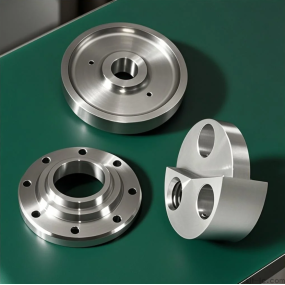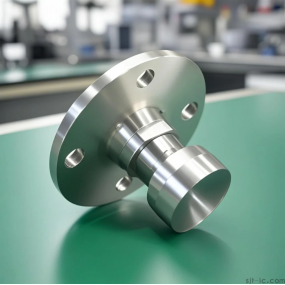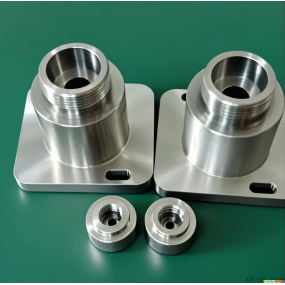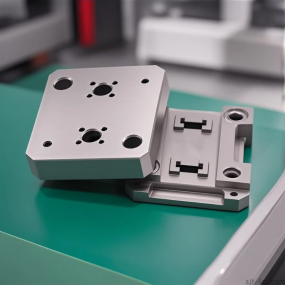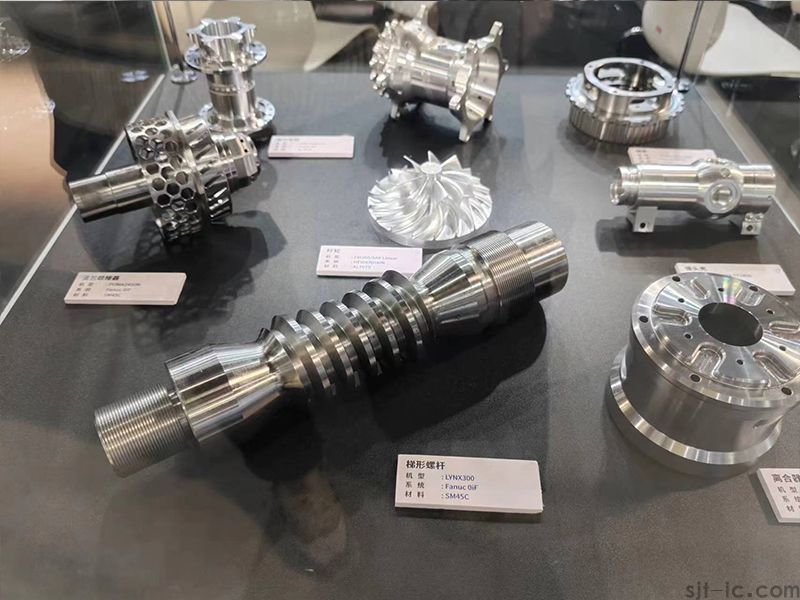
Many companies choose aluminum for CNC Machining because it is lightweight, strong, corrosion-resistant, and easy to process. However, one common question remains: How Much Does CNC Aluminum Machining Cost? A Detailed Breakdown depends on many different factors, including material selection, part design, machining time, production volume, surface treatment, and accuracy requirements.
There is no single price for CNC aluminum machining. A simple aluminum bracket may cost much less than a complex aerospace component with tight tolerances and special finishing requirements. Understanding the cost factors helps engineers and buyers plan their projects better, avoid unexpected expenses, and choose the right manufacturing partner.
This guide explains the main elements that influence CNC aluminum machining costs and provides practical information for businesses looking for reliable and cost-effective machining solutions.
One of the first factors affecting CNC aluminum machining cost is the price of the raw aluminum material. Aluminum is available in different grades, and each grade has different properties, availability, and pricing.
Material cost factors in CNC aluminum machining include:
Choosing the correct aluminum alloy is important. A high-performance material is not always necessary if a standard alloy can meet the application requirements. Experienced CNC machining suppliers can help customers select materials that balance performance and budget.
Before machining begins, CNC machines need to be prepared. This preparation process creates setup costs, which are especially important for small production runs.
Setup cost implications for CNC aluminum parts usually include:
For a single prototype or low-volume order, setup costs may represent a large part of the total price. However, when production quantity increases, these costs are spread across more parts, reducing the cost per unit.
Working with a manufacturer that has strong CNC programming experience and efficient production processes can reduce unnecessary setup time. Companies like EMAR focus on optimizing machining workflows to provide reliable aluminum machining solutions with better cost control.
The actual CNC machining process is another major factor in determining the final price. CNC machines are usually charged based on operating time, so longer machining cycles increase costs.
Machining time depends on:
A part that requires drilling, milling, turning, and detailed surface machining will take more time than a simple milled component. Better part design and experienced manufacturing support can help reduce unnecessary machining steps while maintaining quality.
Part design complexity has a direct impact on CNC aluminum machining expenses. Simple shapes are faster and easier to produce, while complex parts require more programming, tooling, and inspection time.
The impact of part complexity on CNC aluminum machining cost can be seen in several areas:
Design for manufacturability (DFM) can help reduce machining costs. Engineers can work with CNC suppliers early in the design stage to identify possible cost-saving improvements without affecting product performance.
The number of parts ordered has a significant effect on the final machining price. CNC machining is flexible, making it suitable for prototypes, small batches, and large production runs, but the cost structure changes depending on quantity.
The effect of production quantity on CNC aluminum machining cost includes:
Companies should consider both current and future production needs when requesting CNC aluminum machining quotes. A supplier with flexible production capabilities can support projects from prototype development to mass production.
After machining, aluminum parts may require additional treatments to improve appearance, durability, or performance. These extra operations add to the total cost.
Post-processing cost in CNC aluminum machining may include:
The required finish should match the actual application. Selecting unnecessary surface treatments can increase costs without providing additional value.
Precision requirements are another important cost factor. Parts with very tight tolerances require more advanced equipment, careful process control, and additional inspection.
Higher costs may result from:
Not every feature requires the highest possible tolerance. Defining realistic tolerance requirements can help reduce manufacturing costs while still meeting product performance needs.
Businesses can lower CNC aluminum machining expenses by making smart decisions during design and production planning.
A reliable CNC machining partner can help identify cost-saving opportunities while maintaining product quality. EMAR provides CNC aluminum machining services with experience in precision manufacturing, process optimization, and quality control, helping customers achieve a balance between performance and manufacturing cost.
The lowest quotation is not always the most cost-effective choice. A supplier with poor quality control may create additional expenses through delays, rejected parts, or repeated production.
When selecting a CNC aluminum machining provider, consider:
Manufacturers with strong engineering knowledge can help customers avoid common cost problems and improve overall project efficiency. EMAR combines machining expertise with quality management practices to support customers requiring dependable and cost-effective CNC aluminum parts.
CNC aluminum machining cost is influenced by many factors rather than a single price point. Material selection, setup requirements, machining time, part complexity, production quantity, post-processing, and tolerance levels all affect the final quotation.
Understanding these factors allows companies to make better decisions, control budgets, and select the right manufacturing approach. By working with an experienced CNC machining supplier, businesses can achieve high-quality aluminum components while keeping production costs under control.