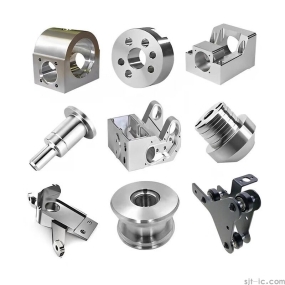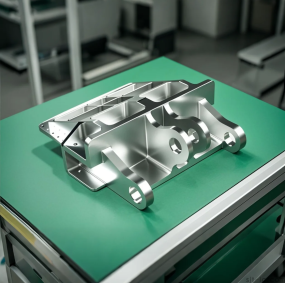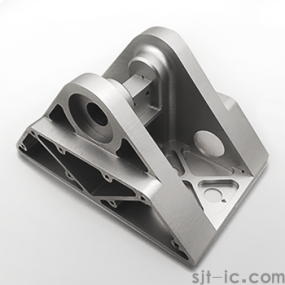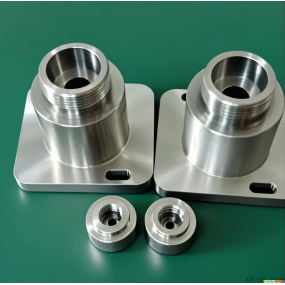
Creating a product that does not follow common industry standards can be challenging. Many customers worry about whether their special designs can be manufactured accurately, whether the production cost will be acceptable, and whether the final parts will work as expected. CNC Machining of Non-Standard Customized Products provides an effective solution by allowing manufacturers to produce unique parts with high precision, flexible designs, and reliable quality.
Unlike standard parts that are made from fixed drawings and common specifications, non-standard customized products are designed for specific applications. They may include special shapes, unusual dimensions, unique functions, or complex structures. CNC machining is well suited for these projects because modern CNC equipment can follow digital designs and produce highly accurate parts without requiring traditional production molds.
Customers often face problems when developing customized products. Traditional manufacturing methods may require expensive tooling, long preparation times, or large production quantities. CNC machining solves these problems with a more flexible approach.
With advanced CNC equipment and professional engineering support, companies such as EMAR help customers turn difficult product ideas into practical manufactured components.
A successful customized product starts with clear communication. Before machining begins, the customer and manufacturer need to fully understand the product purpose, technical requirements, and expected results. Poor communication at the beginning can lead to design changes, delays, and unnecessary costs.
The design considerations for CNC-machined non-standard customized products should include several important points:
Experienced manufacturers can also help improve designs by suggesting changes that make machining easier, reduce costs, and improve product performance.
Choosing the correct material is a key step in producing reliable non-standard parts. The wrong material may reduce product life, increase machining difficulty, or create unnecessary costs.
Material selection for non-standard customized CNC-machined products should consider the following factors:
Common materials for CNC customized products include aluminum, stainless steel, carbon steel, brass, copper, engineering plastics, and special alloys. EMAR works with customers to select materials based on actual application needs rather than choosing materials only by price.
Non-standard products may require different machining operations depending on their shape and function. Skilled machinists select suitable tools and cutting methods to achieve accurate results.
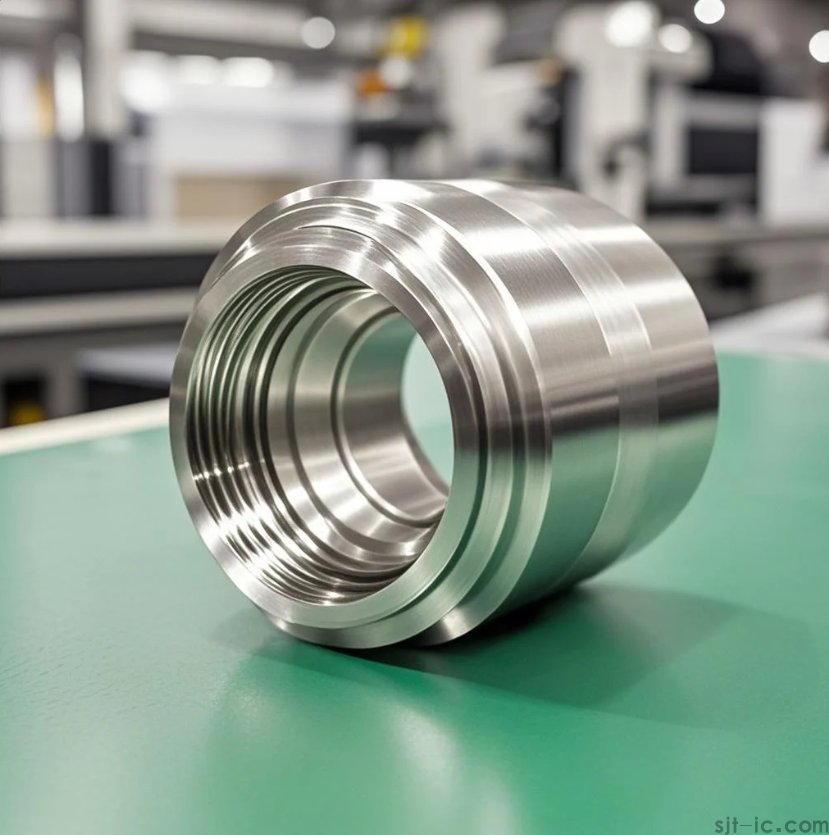
CNC turning is used for round or cylindrical parts. The cutting tool removes material while the workpiece rotates. It is commonly used for shafts, sleeves, connectors, and precision rotating components.
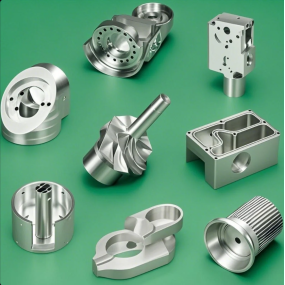
CNC milling is one of the most important processes for customized products. It can create flat surfaces, slots, pockets, curved shapes, and complex 3D structures. Multi-axis CNC milling machines provide additional flexibility for difficult designs.
Precision drilling creates accurate holes for assembly, fastening, and functional requirements. Special tools may be used for deep holes, threaded holes, or unusual hole patterns.
Some non-standard products require additional processes such as surface contour machining, engraving, thread cutting, or multi-axis machining. These operations are useful when products contain unique structures that cannot be made with simple cutting methods.
One major challenge in customized CNC production is producing parts without standard templates. Each project may have different shapes, dimensions, and technical requirements.
Handling complex geometries in non-standard customized product CNC machining requires experienced engineers, advanced software, and suitable machining strategies. Manufacturers usually solve these challenges by:
For example, harder materials may require lower cutting speeds and stronger tools, while softer materials may allow faster machining. Proper parameter control helps achieve smooth surfaces and stable production.
After CNC machining, many customized products need additional treatments to improve function, appearance, or service life.
These additional processes help ensure that customized products are not only accurate but also durable and ready for real-world use.
Quality is especially important for non-standard products because there are usually no existing production references. Every dimension and function must be carefully verified.
Quality control in non-standard customized product CNC manufacturing includes several important steps:
Prototyping in non-standard customized product CNC production reduces risks by allowing design verification before larger investments are made. This approach saves time and helps customers achieve better final products.
The success of a customized product depends not only on the design but also on the manufacturer's technical ability, equipment, and quality management system. A reliable CNC machining partner should have advanced machines, experienced engineers, strict inspection procedures, and the ability to communicate effectively.
EMAR provides CNC machining services for non-standard customized products, supporting customers from design analysis and material selection to precision machining and quality inspection. With professional manufacturing experience, EMAR helps create customized components that meet specific performance and application requirements.
CNC machining is a powerful manufacturing method for non-standard customized products because it combines design flexibility, high precision, and efficient small-batch production. From the first design discussion to material selection, machining, finishing, and inspection, every step affects the final product quality.
By working with an experienced manufacturer and maintaining clear communication throughout the project, customers can transform unique ideas into reliable products that meet their exact needs.