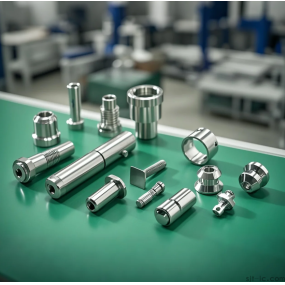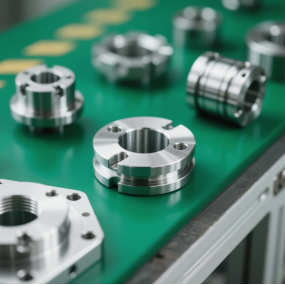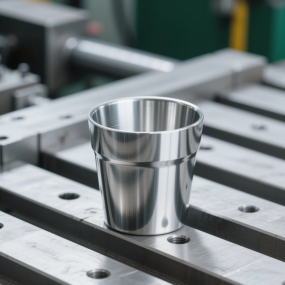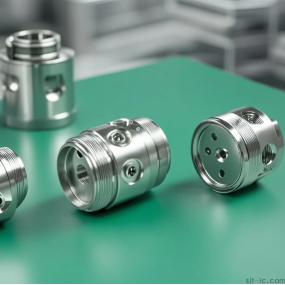
High-performance reflector cups play an important role in modern lighting systems and optical equipment. They are designed to control, reflect, and direct light with high accuracy. Whether used in LED lighting, projectors, telescopes, or other optical systems, the quality of a reflector cup directly affects the final performance of the product.
Precision CNC Machining for High-Performance Reflector Cups provides manufacturers with the accuracy needed to produce complex reflector shapes, smooth surfaces, and reliable optical performance. A professional CNC machining partner helps solve common challenges, including inconsistent quality, material selection problems, high production costs, and strict dimensional requirements.
Companies like EMAR use advanced CNC machining technologies, experienced engineers, and strict inspection systems to support the production of high-precision reflector cups for different industrial applications.
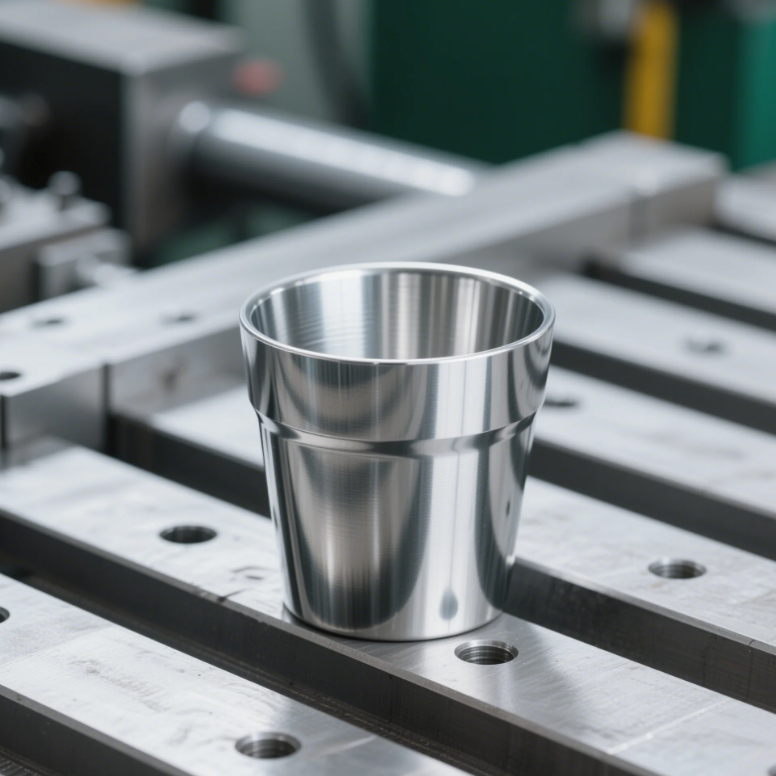
The shape and surface quality of a reflector cup determine how effectively it controls light. Even a small machining error can change the reflection angle and reduce the efficiency of the entire lighting or optical system.
Precision in high-performance reflector cup machining is essential because reflector surfaces usually require accurate parabolic, elliptical, or specially designed geometries. If the surface profile is slightly incorrect, light may not focus or spread as expected.
For example, a projector system with an improperly shaped reflector may produce uneven brightness across the screen. Similarly, a high-powered lighting fixture with a rough reflector surface may scatter light instead of creating a controlled beam. These problems increase energy waste and reduce user experience.
This is why manufacturers must choose CNC machining solutions that can maintain tight tolerances and excellent surface finishes throughout production.
Choosing the correct material is one of the most important steps in reflector cup production. The material affects heat management, reflectivity, machining difficulty, durability, and overall cost.
Aluminum is one of the most widely used materials in precision CNC machining of reflector cups. It offers several advantages:
Surface processes such as polishing, anodizing, or special reflective coatings can improve aluminum reflector cups by increasing reflectivity and protecting the surface from oxidation. This makes aluminum suitable for LED lighting systems, automotive lighting, and optical devices.
Copper is another option for specialized applications. It provides excellent electrical and thermal conductivity, making it suitable for environments where heat transfer is extremely important.
Although copper is more expensive and more difficult to machine compared with aluminum, it can be valuable in high-performance systems that require superior thermal management.
Materials such as polycarbonate and acrylic are also used in some reflector and lighting applications. These materials provide:
However, plastics may have different temperature resistance and durability compared with metals. The best choice depends on application requirements, heat conditions, optical performance goals, and budget limitations. Proper material selection for reflector cups helps achieve the best balance between performance and cost.
Producing high-quality reflector cups requires carefully controlled machining processes. Each step influences the final optical performance.
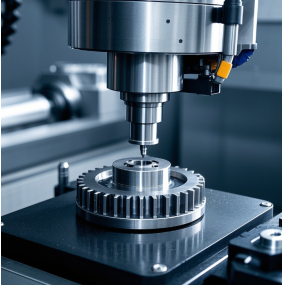
CNC milling is a key process for creating the main reflector geometry. It is used to machine:
Different milling cutters are selected depending on the material and design requirements. For aluminum, high-speed cutting tools are often used to achieve efficient machining and smooth surfaces. Copper and harder materials may require specialized tools and optimized cutting parameters.
Cutting speed, feed rate, and depth of cut must be carefully controlled. Incorrect machining parameters may create tool marks, vibration, or surface defects that reduce optical performance.
Turning operations may be used when reflector cups require a precise cylindrical outer shape. This process helps achieve accurate diameters and smooth external surfaces, especially for round reflector designs.
After machining, precision grinding and finishing processes improve surface quality. A smooth reflective surface is critical because rough areas can scatter light and reduce reflection efficiency.
Advanced finishing methods help achieve the required surface roughness for demanding optical applications. During production, manufacturers use measurement equipment such as profilometers and coordinate measuring machines (CMMs) to verify:
These inspection methods ensure that every stage of the CNC machining processes for reflector cups meets the required specifications.
High-performance reflector cups require strict quality control because small defects can affect the entire optical system. Reliable manufacturers use inspection procedures throughout the machining process instead of only checking finished products.
During machining, technicians regularly check important factors, including:
Using advanced measuring equipment helps identify problems early and prevents large numbers of defective parts.
After machining is complete, reflector cups may undergo optical testing to evaluate:
Manufacturers must also follow industry standards and customer-specific requirements to ensure reliable performance. Strong quality control in reflector cup precision machining reduces waste, lowers rework costs, and improves product consistency.
EMAR focuses on combining precision machining experience with strict quality management to help customers produce reflector cups that meet demanding industrial requirements.
Precision machining does not only depend on accuracy; controlling production costs is also important. Many customers worry that high-precision manufacturing will increase expenses. However, proper planning can achieve both quality and cost efficiency.
Cost-effectiveness in high-performance reflector cup production depends on several factors:
Manufacturers can improve cost efficiency through several strategies:
Long-term cooperation with a reliable CNC machining provider can also create better cost control through stable production processes, optimized workflows, and negotiated pricing.
High-performance reflector cups require more than basic machining. They need accurate designs, suitable materials, advanced equipment, and complete quality management. A professional CNC machining manufacturer can provide support from material selection and process planning to final inspection.
With experience in precision components, EMAR provides precision CNC machining solutions that help customers achieve reliable reflector cup performance. By combining advanced machining equipment, skilled technicians, and strict quality systems, EMAR supports industries that require accurate optical and lighting components.
Choosing the right machining partner helps businesses reduce production risks, control costs, and create reflector cups that deliver stable performance in demanding applications.