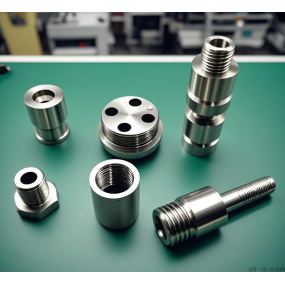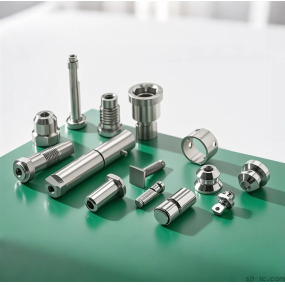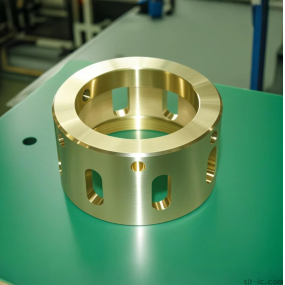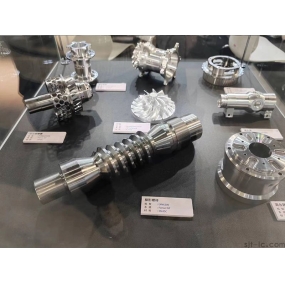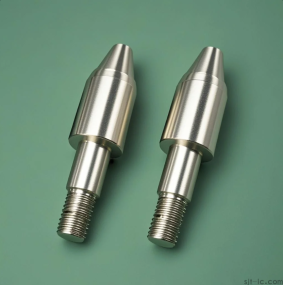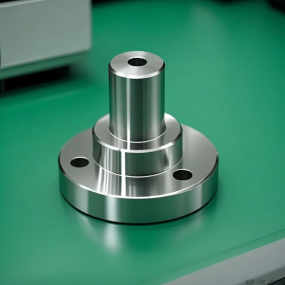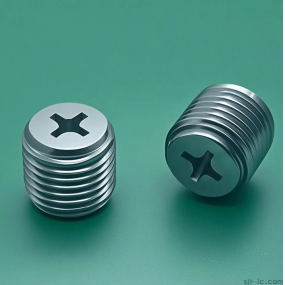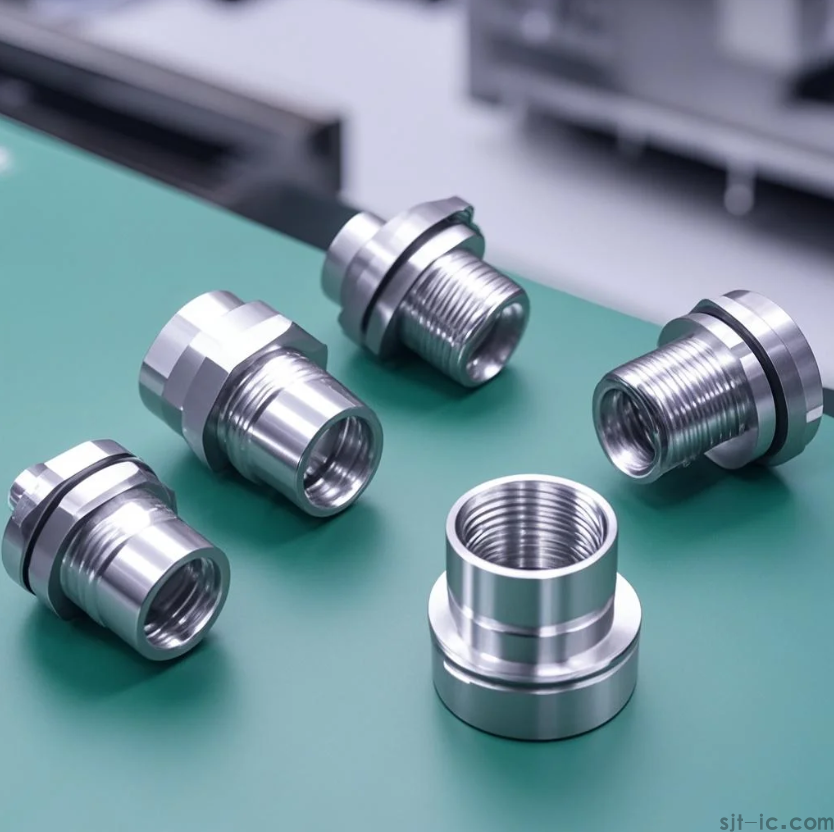
CNC Stainless Steel Connector Machining is a reliable manufacturing method for producing connectors that require high accuracy, strong mechanical performance, and excellent corrosion resistance. Stainless steel connectors are widely used in plumbing systems, electrical equipment, automotive parts, medical devices, and industrial machines. However, many buyers worry about machining precision, material performance, production costs, and long-term reliability.
Using advanced CNC Machining technology helps solve these challenges. CNC machines can produce complex stainless steel connector designs with tight tolerances, stable quality, and repeatable results. With professional machining experience, companies like EMAR help customers develop and manufacture stainless steel connectors that meet specific application requirements.
Stainless steel is known for its strength, corrosion resistance, and long service life. However, it is also harder to machine than many common metals. Poor machining methods can cause tool damage, inaccurate dimensions, rough surfaces, and higher production costs.
CNC machining is well suited for stainless steel connectors because it provides:
For industries where connection safety is important, precision machining is essential. A small dimensional error can lead to leakage, loose connections, equipment failure, or reduced product life.
The design stage directly affects connector performance, machining difficulty, and manufacturing cost. Understanding the final application helps create a connector that works safely and efficiently.
Important design considerations for CNC-machined stainless-steel connectors include:
A well-prepared design drawing should include dimensions, tolerances, thread specifications, surface requirements, and functional details. Clear communication between designers and CNC machining specialists reduces production problems and unnecessary costs.
Choosing the correct stainless steel grade is an important step in manufacturing durable connectors. Different grades provide different levels of corrosion resistance, strength, machinability, and cost efficiency.
The most common options include:
Stainless-steel grade selection for connector machining should balance performance requirements and budget. Selecting a more expensive material is not always necessary if the operating environment does not require it. Professional CNC suppliers can help customers choose the most suitable grade based on application needs.
Manufacturing stainless steel connectors usually involves several CNC machining processes. Each operation requires proper tooling and cutting conditions to achieve accurate results.
CNC turning is commonly used for producing round connector bodies, sleeves, and threaded sections. The workpiece rotates while cutting tools remove material to create precise external and internal shapes.
Milling creates complex features such as flats, slots, grooves, and special connector profiles. Multi-axis CNC milling machines can produce complicated geometries with fewer setups.
Drilling creates accurate holes for bolts, fluid channels, cable paths, or other connection requirements. Proper tool selection prevents overheating and improves hole quality.
Many stainless steel connectors require precise threads for secure connections. CNC threading ensures correct thread pitch, depth, and profile, helping prevent leakage and connection failure.
Stainless steel machining requires carefully controlled cutting conditions. Incorrect parameters may increase tool wear, generate excessive heat, or reduce dimensional accuracy.
Experienced CNC manufacturers adjust these parameters according to stainless steel grade, connector design, machine capability, and required surface finish.
Stainless steel can quickly wear cutting tools because of its toughness and work-hardening characteristics. Worn tools may create inaccurate dimensions and poor surface quality.
Handling tool wear in stainless-steel connector CNC machining requires:
Stainless steel often produces long chips that can affect machining stability. Proper chip breakers, cutting tools, and coolant systems help remove chips safely and maintain continuous production.
Heat expansion, tool wear, and machine vibration can affect connector dimensions. Regular machine calibration, stable fixtures, and in-process inspections help maintain accuracy.
After CNC machining, additional treatments can improve connector performance, appearance, and service life.
Post-machining processes for CNC-machined stainless-steel connectors may include:
The correct post-processing method depends on the connector’s working environment and performance requirements.
Reliable connectors require strict quality inspection throughout the manufacturing process. Quality control helps prevent assembly problems and ensures long-term performance.
Quality control in CNC-machined stainless-steel connectors commonly includes:
Professional CNC machining suppliers use inspection equipment and documented quality procedures to provide stable results for both prototypes and mass production.
Selecting an experienced machining partner can reduce risks related to quality, delivery time, and manufacturing costs. A capable supplier should understand stainless steel properties, machining challenges, and industry-specific requirements.
EMAR provides CNC machining solutions for stainless steel connectors, supporting customers from design review and material selection to precision machining and quality inspection. With experience in custom CNC manufacturing, EMAR helps create connectors that meet demanding requirements for accuracy, strength, and corrosion resistance.
Whether the project requires a small custom batch or larger production quantities, professional CNC machining services can provide reliable stainless steel connectors with consistent performance and cost-effective manufacturing.