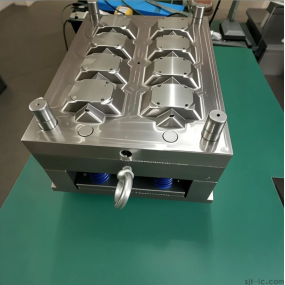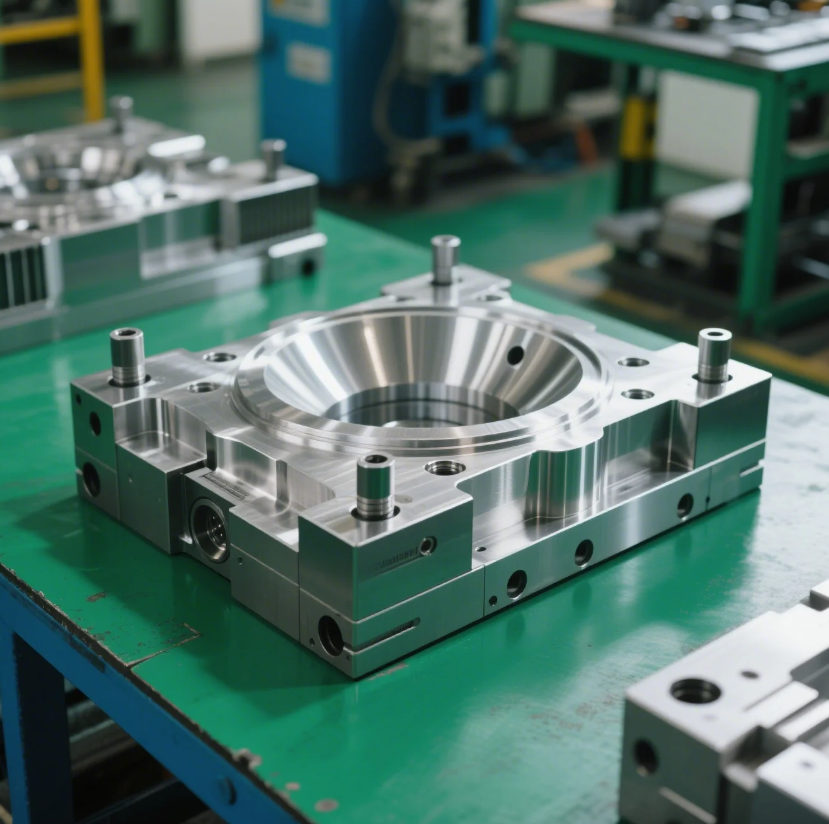
CNC Machining Molds are widely used in modern manufacturing because they can create highly accurate molds with complex shapes, tight tolerances, and reliable repeatability. For companies producing plastic parts, metal castings, or precision components, choosing the right mold manufacturing method is important for product quality, production speed, and overall cost.
Many businesses face common challenges when ordering CNC molds, including choosing the correct material, controlling machining costs, achieving the required accuracy, and ensuring the final mold works smoothly in production. A professional CNC machining partner can help solve these problems through proper design, advanced equipment, skilled machining processes, and strict quality control.
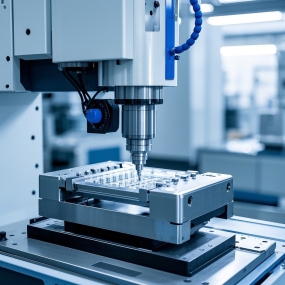
CNC machining is one of the most effective methods for mold production because it uses computer-controlled machines to remove material with very high precision. Unlike traditional manual machining, CNC technology can produce complex mold cavities, cores, and detailed features with consistent accuracy.
The main advantages of CNC Machining Molds include:
For companies looking for reliable CNC mold solutions, EMAR provides professional CNC machining services with experience in precision mold components, custom machining, and strict manufacturing control to support different industrial applications.
Good mold performance starts with proper design. The process of mold design for CNC machining requires careful planning based on the final product requirements, production volume, material type, and surface finish expectations.
The first step is understanding what the mold will produce. Different products require different mold structures.
A CNC mold design must include important features that allow smooth operation and easy product release.
A well-planned design reduces machining difficulties, prevents production issues, and improves mold lifespan.
The correct material directly affects mold durability, machining difficulty, production cost, and final performance. Proper material selection in CNC mold manufacturing depends on production quantity, working temperature, wear requirements, and surface quality needs.
Tool steel is one of the most common mold materials because of its excellent hardness, strength, and wear resistance. It is suitable for high-volume production molds that must operate for long periods.
Aluminum is often selected for prototype molds and low-volume production because it is lightweight and easier to machine than steel.
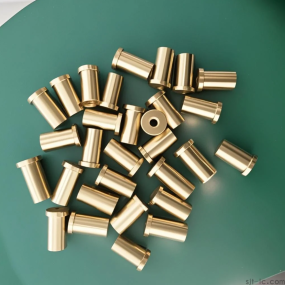
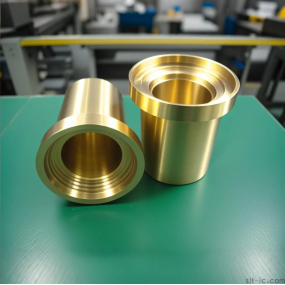
Copper alloys are valued for their excellent thermal conductivity. They are often used in mold inserts and cooling components where fast heat transfer is important.
The manufacturing process includes several CNC operations. Choosing the correct machining method improves accuracy, surface quality, and production efficiency. The following are common machining operations for CNC molds.
Milling is the most important CNC operation for creating mold cavities, cores, pockets, and complex 3D surfaces. Multi-axis milling machines can produce detailed shapes that are difficult to achieve with traditional methods.
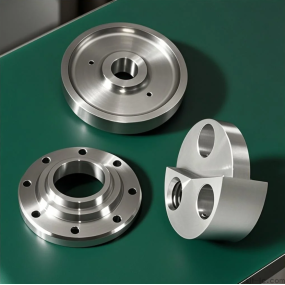
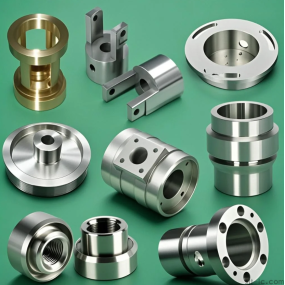
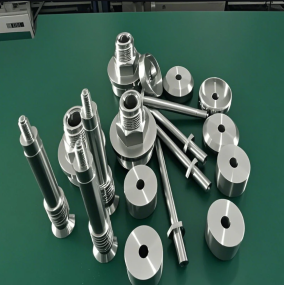
Turning is used to produce round mold parts such as guide pins, sleeves, shafts, and cylindrical inserts.
Electrical Discharge Machining (EDM) is used when traditional cutting tools cannot reach small or complicated areas. EDM is especially useful for deep cavities, sharp corners, and fine textures.
Precision is critical in mold manufacturing. Small errors can cause poor product fitting, flashing, or production failures.
Solutions include using high-quality CNC equipment, accurate measurement tools, stable machine setups, and optimized machining programs.
Heat generated during machining and uneven material stress can cause mold distortion. Handling distortion in CNC mold machining requires careful process control.
Tool wear affects surface quality and machining accuracy. Regular tool inspection and replacement help maintain stable production.
After CNC machining, additional treatments can improve mold strength, durability, and appearance.
Strict inspection is necessary to ensure molds meet design requirements. Quality control in CNC-machined molds helps prevent production problems and improves customer confidence.
Important quality control methods include:
A reliable CNC mold manufacturer should provide clear inspection processes, accurate reports, and continuous improvement throughout production. EMAR focuses on precision CNC machining, advanced manufacturing technology, and quality management to deliver dependable mold solutions for customers requiring accuracy, durability, and customized designs.
Selecting a CNC mold supplier is not only about price. A lower initial cost may lead to problems such as poor accuracy, short mold life, or repeated repairs. A trusted manufacturer should have experience with mold materials, advanced CNC equipment, skilled engineers, and complete quality control systems.
By combining professional design support, suitable material choices, optimized machining processes, and strict inspection methods, CNC Machining Molds can provide a reliable solution for industries that need high-quality and efficient production tools.