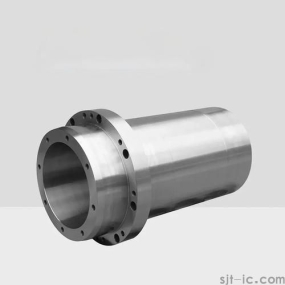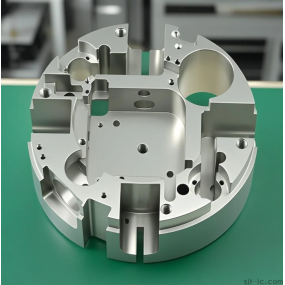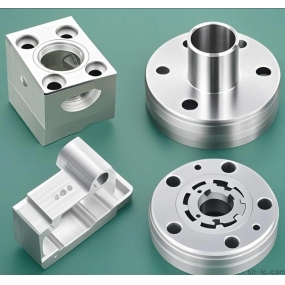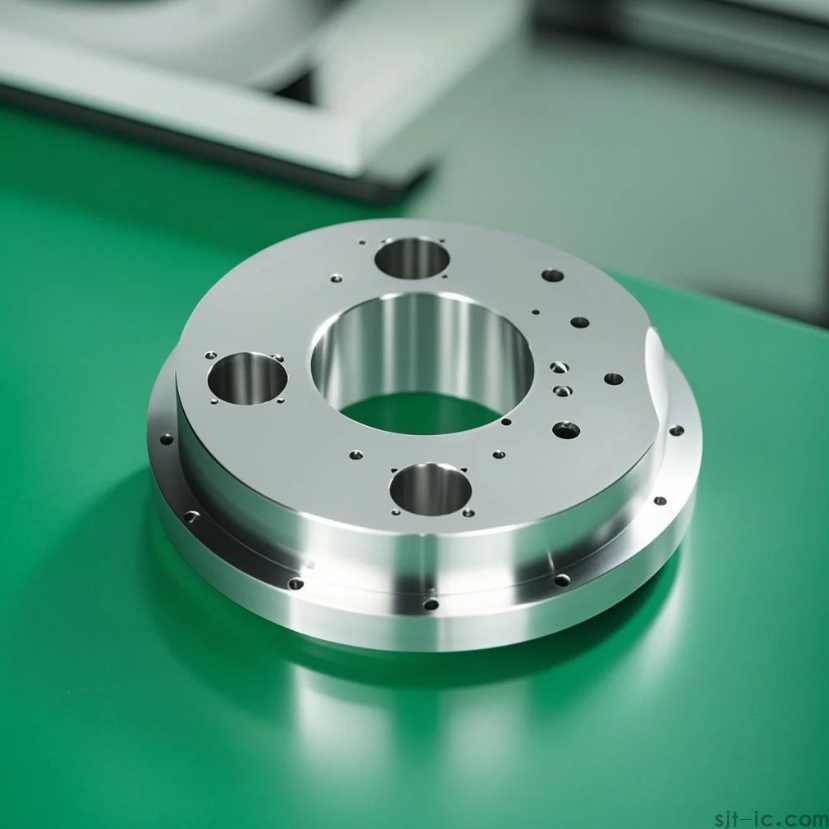
CNC Three - Axis Product Machining is one of the most widely used manufacturing methods in modern industry. It helps companies produce precise, stable, and cost-effective parts for many applications. For beginners or overseas buyers, understanding how it works can reduce confusion and help you choose the right production solution.
Many users struggle with problems like unstable quality, unclear processing methods, and difficulty finding reliable suppliers. This article explains the key ideas in simple English and helps you understand how CNC three-axis technology solves real production challenges.
In CNC Three - Axis Product Machining, cutting tools move along three directions: X, Y, and Z. This allows machines to shape metal or plastic materials with high accuracy. It is suitable for most standard parts used in industries like automotive, electronics, and machinery.
Compared with manual work, CNC automation reduces human errors and ensures consistent results even in large production batches.
The advantages of CNC three - axis machining for products are clear for both small and large manufacturers. It improves production efficiency and reduces cost while maintaining stable quality.
These benefits make it a preferred choice for companies that need reliable and scalable production.
The key processes in CNC three - axis product machining usually follow a clear workflow. Understanding these steps helps customers know what happens behind the finished product.
Each step affects the final quality, especially precision control and surface finish.
One of the strengths of this technology is its flexibility. Many materials suitable for CNC three - axis product machining can be processed effectively.
Choosing the right material depends on strength requirements, cost, and application environment.
Precision control in CNC three - axis product machining is one of the most important factors for product success. Even small errors can affect assembly and performance.
Modern CNC systems use digital programming and automatic calibration to maintain tight tolerances. This ensures every part meets design requirements, even during long production runs.
At this stage, experienced manufacturers like :contentReference[oaicite:0]{index=0} play an important role. With strict inspection systems and advanced equipment, they help ensure stable precision and reliable output for different industries.
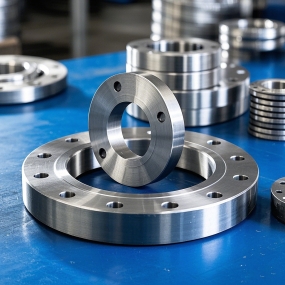
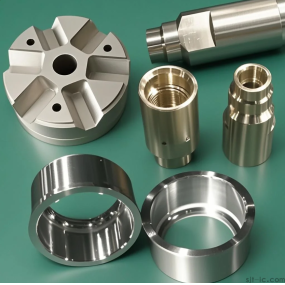
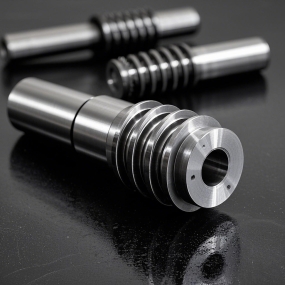
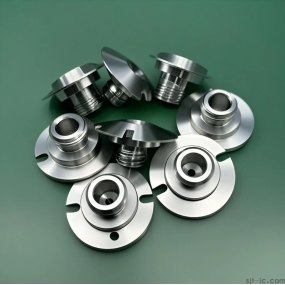
The applications of products made by CNC three - axis machining are very wide. These parts are used in many daily and industrial systems.
Because of its balance between cost and precision, three-axis machining is often the first choice for product development and mass production.
Many buyers face similar issues when sourcing CNC parts:
Working with a professional supplier can solve these problems. For example, companies with strong engineering teams can review drawings before production, reducing errors and improving efficiency.
Manufacturers like :contentReference[oaicite:1]{index=1} focus on clear communication, stable processing systems, and strict quality control. This helps customers reduce risk and achieve better production results.
CNC Three - Axis Product Machining remains a core technology in modern manufacturing. It offers a strong balance of precision, cost, and efficiency. Whether you are developing new products or scaling up production, understanding its processes and advantages can help you make better decisions.
By working with experienced partners and focusing on quality control, businesses can achieve stable performance and long-term success in competitive markets.