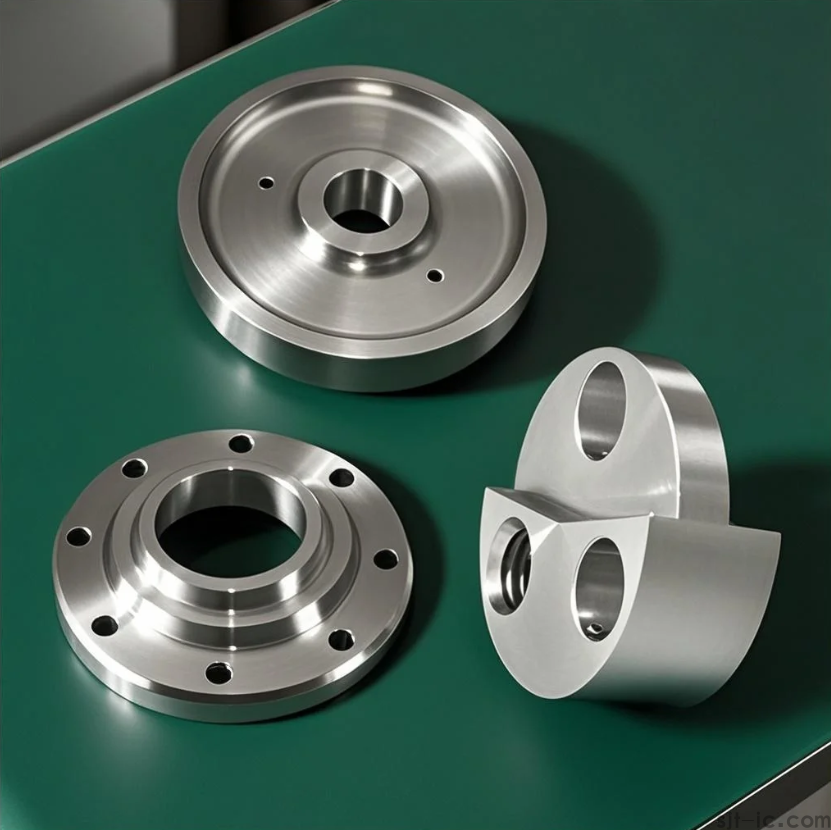
CNC Precision Parts Custom Manufacturing is a reliable solution for producing high-accuracy components used in industries such as aerospace, medical equipment, automotive, electronics, and industrial machinery. Many companies need custom parts with strict dimensions, complex designs, and stable performance, but they often have questions about the manufacturing process, material choices, precision requirements, cost control, and quality assurance.
Choosing the right CNC manufacturing partner helps reduce production risks, improve part performance, and achieve better long-term value. A professional supplier with advanced equipment, experienced engineers, and strict inspection systems can turn complex drawings into accurate finished parts.
CNC Precision Parts Custom Manufacturing is the process of producing specially designed components through computer-controlled machining. Unlike standard parts made in large quantities, custom CNC parts are created according to customer drawings, 3D models, material requirements, and performance needs.
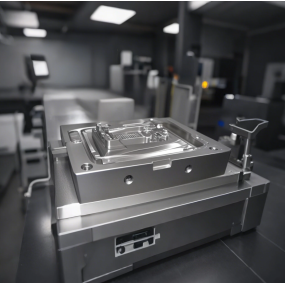
CNC machines use programmed instructions to control cutting tools with high accuracy. This allows manufacturers to create parts with complex shapes, tight tolerances, and repeatable quality. The process is suitable for both prototypes and large-volume production.
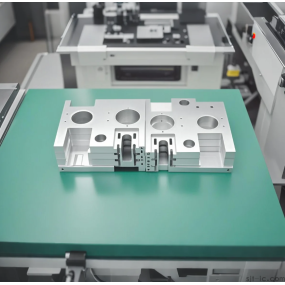
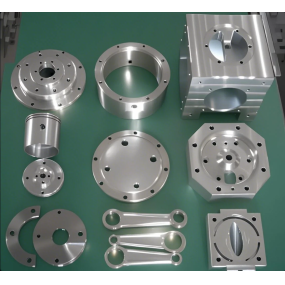
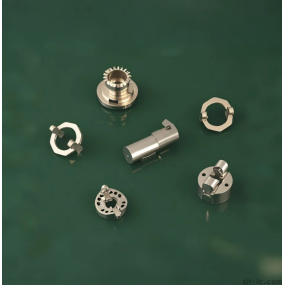
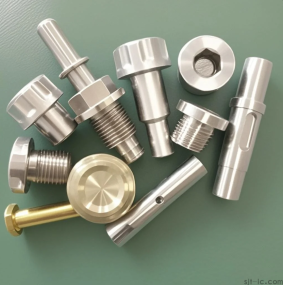
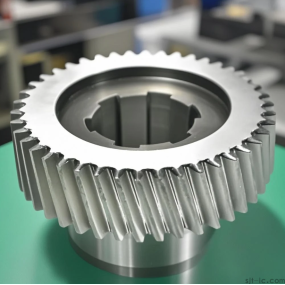
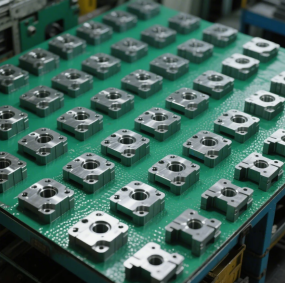
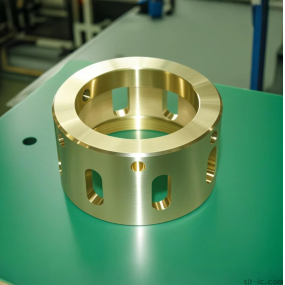
Common CNC precision parts include shafts, housings, brackets, connectors, gears, fixtures, and mechanical components that require reliable dimensions and strong durability.
Understanding the production process helps customers know what to expect when ordering custom CNC parts. The main steps usually include:
A complete understanding of these steps in CNC precision parts custom manufacturing helps customers communicate better with suppliers and avoid unexpected production problems.
Selecting the correct material is one of the most important decisions in CNC Machining. Different applications require different material properties, so manufacturers must balance performance, machining difficulty, and cost.
Common materials suitable for custom-made CNC precision parts include:
Experienced CNC manufacturers can help customers select materials that match both technical requirements and budget goals.
Precision is a key factor when producing CNC parts. Different industries require different levels of accuracy depending on how the parts will be used.
The precision levels in CNC precision parts custom manufacturing are usually determined by factors such as:
For high-precision applications, manufacturers use advanced measuring equipment such as coordinate measuring machines (CMM), optical inspection systems, and precision gauges to verify part accuracy.
Many customers want high-quality parts while keeping production costs under control. Understanding the cost-related factors in CNC precision parts custom manufacturing can help make better decisions.
A professional CNC partner can analyze the design and recommend practical solutions to achieve the required performance without unnecessary costs.
Quality control is essential for CNC precision parts because even small errors can affect product performance. Reliable manufacturers follow strict inspection procedures throughout the entire production process.
Important quality control methods include:
A strong quality management system ensures that every batch of parts meets customer requirements and reduces the risk of assembly problems or product failures.
EMAR has experience providing CNC Precision Parts Custom Manufacturing services for customers who need accurate, reliable, and customized components. The company combines advanced CNC machining equipment, skilled engineers, and professional quality inspection methods to support different production requirements.
EMAR's expertise in CNC precision parts custom manufacturing includes design support, material evaluation, prototype production, small-batch manufacturing, and large-scale production. By focusing on precision control and manufacturing efficiency, EMAR helps customers develop parts that meet technical requirements while controlling production costs.
The company works with various materials and supports different machining processes, allowing customers to receive complete solutions from initial design review to final delivery. This approach helps reduce communication problems and improves overall project efficiency.
Before choosing a CNC machining supplier, customers should consider several important factors:
A reliable manufacturer does more than produce parts. The right partner provides engineering advice, solves production challenges, and helps customers achieve better results throughout the project.
CNC Precision Parts Custom Manufacturing provides an efficient way to create accurate and reliable components for many industries. By understanding the machining process, choosing suitable materials, controlling precision requirements, managing costs, and applying strict quality control, customers can achieve better manufacturing results.
Working with an experienced supplier such as EMAR can provide professional support from design analysis to final inspection. With the right CNC manufacturing partner, businesses can produce high-quality custom parts while improving efficiency and reducing production risks.